-
Engaging Decision-makers on Family Planning: Some Right IDEAs
›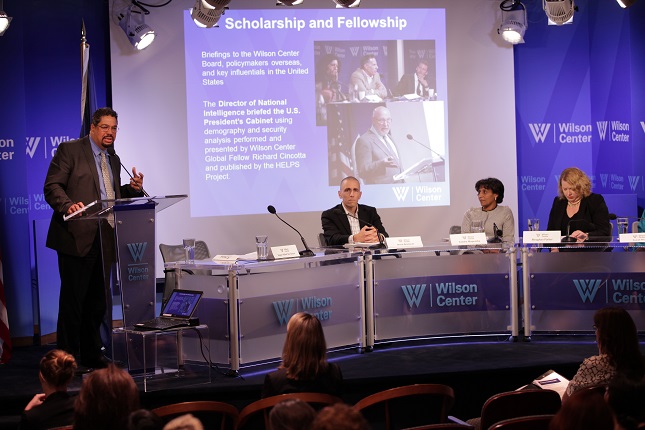
Just a few years ago, progress on global family planning and reproductive health policy seemed to be stuck in a rut. “For 20 years, development money for health had been directed to fight HIV and poverty, and as a result, momentum, interest, and funding for family planning had dwindled,” said Susan Rich, vice president of global partnerships for the Population Reference Bureau (PRB), at the Wilson Center on July 15. “Unmet need for family planning was high all over the world, but especially in Africa.” [Video Below]
-
Providing for the Periphery: Anthony Speca on Development for Canada’s Resource-Rich Nunavut
› Rich in natural resources, poor in nearly every human development indicator. The description applies to many of the most-conflict ridden states in the world, but also to a region often forgotten in global development circles: the Arctic North.
 -
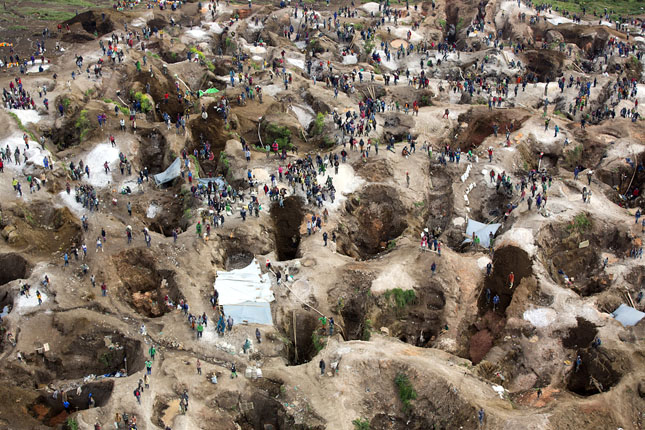
In Search of Higher Returns: Can Extractive Industries Help Build Peace?
›August 3, 2015 // By Carley ChavaraIf you’re a government pondering the development of newly discovered natural resources, how do you avoid the so-called “resource curse” – the tendency of high value extractive resources, like oil, gas, or minerals, to, instead of prosperity, bring corruption, entrenched poverty, and even violence?
-
The Hillary Doctrine: Sex and American Foreign Policy (Book Launch)
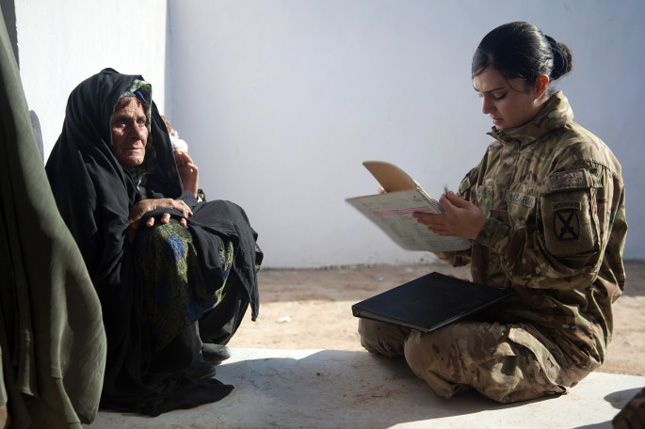
›When Valerie Hudson evaluates the strength of a nation, whether food security, wealth, peacefulness, or quality of governance, she finds one important thread that underlies it all. “One of the most important factors in the determination of these things is in fact the situation, and security, and status of women,” said Hudson at the Wilson Center on June 24. [Video Below]
-
Women’s Equality Not Just a Moral, But National Security Issue, Say Valerie Hudson and Patricia Leidl
›“Compare those societies that respect women and those who don’t,” says Texas A&M Professor Valerie Hudson, quoting former USAID Deputy Administrator Donald Steinberg, in this week’s podcast. “Who’s trafficking in weapons and drugs? Who’s harboring terrorists and starting pandemics? Whose problems require U.S. troops on the ground? There’s a one to one correspondence.”
-
Karachi’s Heat Wave a Sign of Future Challenges to Pakistan’s Fragile Democracy
›Karachi, the world’s second largest city by population, is emerging from the grips of a deadly heatwave. A persistent low pressure system camped over the Arabian Sea stifled ocean breezes and brought temperatures in excess of 113°F (45°C) to the city of 23 million people in June. The searing heat disrupted electricity and water service, making life nearly unbearable. All told, officials estimate the heatwave killed at least 1,200 Pakistanis, more than twice as many as have died in terrorist attacks this year.
-
“Climate Change Makes the World More Violent”: How One IPCC Author Would Rewrite His Chapter
›With thousands of scientists representing 195 countries working for more than a quarter of a century, the Intergovernmental Panel on Climate Change (IPCC) is the world’s leading authority on of assessing climate change and its potential socio-economic impacts. However, Marc Levy, an IPCC lead author and deputy director of Columbia University’s Center for International Earth Science Information Network, says he’d have gone further in connecting climate change to conflict in their latest report if it were up to him.
-
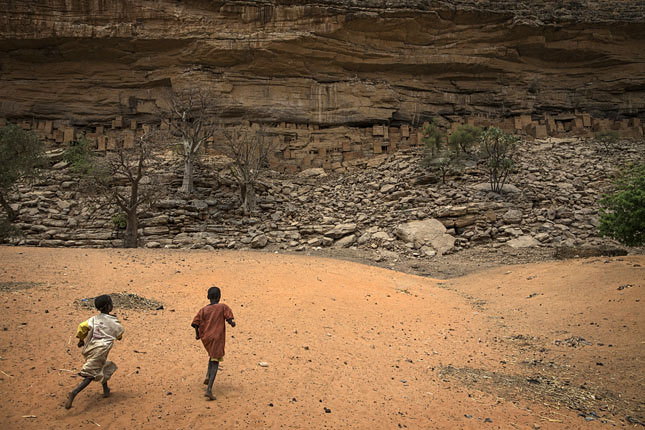
The Sahel Beyond the Headlines: Underlying Demographic, Environmental Trends Erode Resilience
›Between the Sahara to the north and savanna to the south lies the semi-arid Sahel, a region stretching from Senegal to Sudan that has experienced desperate poverty, climate change, malnutrition, and violence. While every context is different, the Sahelian countries share some common challenges, including a pattern of recurring crises and fluid borders. Boko Haram’s reign of terror in northern Nigeria and Mali’s coup have both had cross-border components. [Video Below]
Showing posts from category democracy and governance.
 Rich in natural resources, poor in nearly every human development indicator. The description applies to