-
The People vs. Pollution: Empowering NGOs to Combat Pollution with Environmental Law
›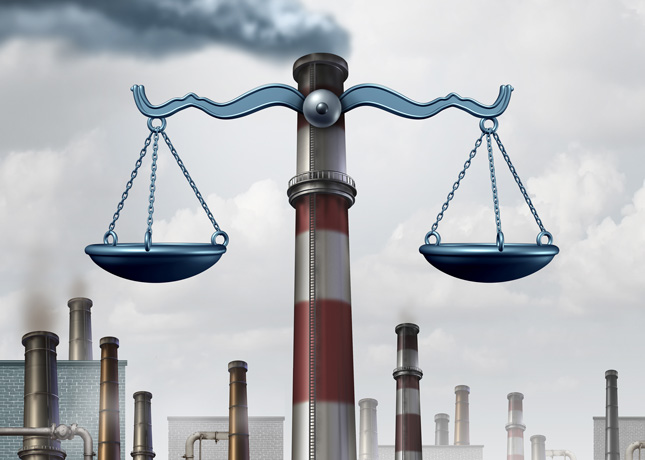
China is four years into its war on pollution, and while the skies over many of its cities are bluer and thousands of polluting industries have been closed, many challenges remain. According to China’s Ministry of Ecology and Environment, 16 percent of China’s soil is polluted, 239 of China’s 338 biggest cities failed to meet air quality standards in 2017, and 32 percent of China’s surface water is not clean enough to swim in. To confront these challenges, Chinese citizens and nongovernmental organizations (NGOs) are taking legal action to halt polluters, push local government to be more accountable, and strengthen enforcement of pollution laws—but most lack the legal experience and expertise needed to be successful. A series of workshops held by the Environmental Law Institute earlier this year sought to close this gap by training NGOs and legal professionals in China on best practices for environmental public interest litigation.
-
Mothers of Invention: New Podcast from Mary Robinson and Maeve Higgins
›
Mary Robinson, the first female president of Ireland, and Maeve Higgins, Irish comic, have teamed up to talk climate change with pioneering women leaders from around the world. In the coming weeks, their new podcast, Mothers of Invention, will feature an African politician, an Indian scientist, a Native American activist, and many more.
-
Water Security in a New Age of Nationalism
›The idea of a “new middle” or “third way”—a blend of neo-liberal economic doctrines and social policies that was supposed to overcome the dichotomy between mixed economy and free market paradigms—more or less dominated U.S. and European politics for the last two decades. But today, this centrist consensus has been upended by a wave of populist, nationalist parties. Many have won over their electorates by questioning the benefits of free trade and globalization (as well as the international institutions that espouse them), while pursuing expansionary domestic economic policies.
-
Europe Takes the Lead in Climate, Energy, and Security
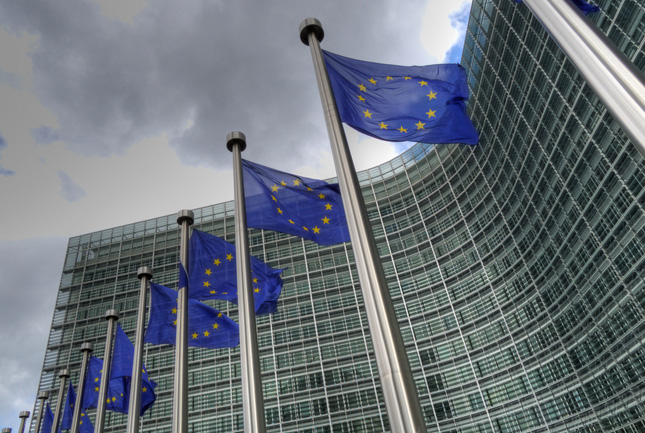
›With the tumultuous NATO summit and a simmering trade war dominating stateside headlines last month, the European Union’s progress on climate-security connections has received little attention. After the U.S. government rolled back its significant efforts in early 2017, the EU and its leading members—particularly Sweden and Germany—picked up the ball. Three significant events herald what could be the start of a new era of climate-security policymaking—one under European leadership.
-
Water and Governance: Changing Water Laws in a Changing Climate
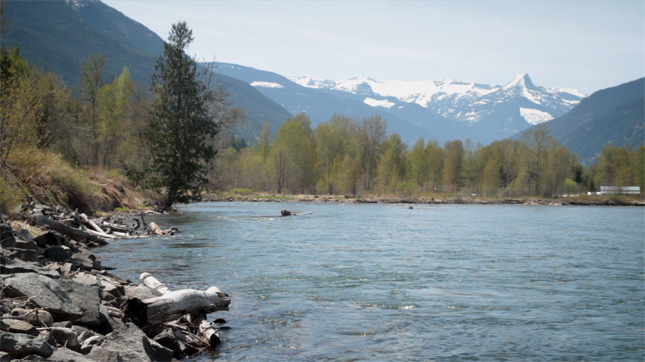
›The Columbia River basin—which spans four U.S. states, two Canadian provinces, and 32 Tribal Nations or First Nations—touches the lives of more than five million people each day. The basin’s 250 hydroelectric dams power everything from Google’s data center to irrigation pumps that spread water onto fields of alfalfa and potatoes. Steelhead trout and salmon rely on the river to spawn. Ships and tugboats transport millions of tons of cargo to and from the Pacific Ocean.
-
Nicaragua and the Fading of Latin America’s Youthful Clusters
›After four months of political unrest and more than 250 deaths, the calls for Nicaragua’s embattled president Daniel Ortega to step down are escalating. One of political demography’s most robust statistical findings tells us that countries where an authoritarian government rules a youthful population, any change in regime typically yields an autocracy or at best, a partial democracy. Only very rarely has a liberal democracy emerged immediately after a rebellion in a youthful country (one with a population with a median age under 26 years). Given this, if Ortega is ousted from office, what type of leader should foreign affairs analysts expect to replace him?
-
As Afghanistan’s Water Crisis Escalates, More Effective Water Governance Could Bolster Regional Stability
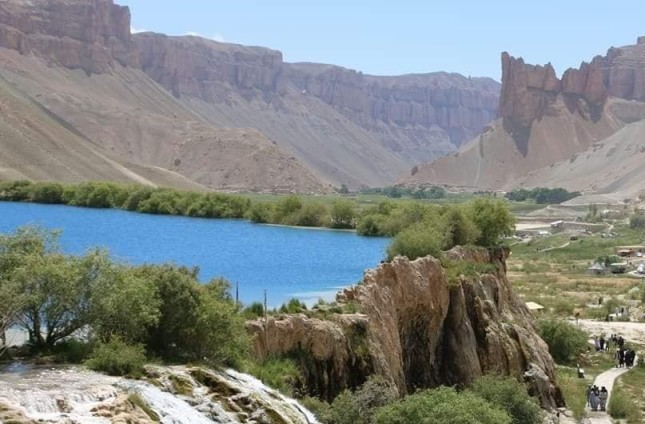
›“Kabul be zar basha be barf ne!” This ancient proverb—“May Kabul be without gold rather than snow”—refers to snowmelt from the Hindu Kush Mountains, a primary source of Afghanistan’s water supply. To recover from years of armed conflict, Afghanistan needs a stable water supply, but its sources are increasingly stressed by severe droughts. The Norwegian Refugee Council estimates that today, 2 out of 3 provinces are impacted by drought, putting two million people at risk of hunger. Improving the country’s water governance—the social, legal, and administrative systems that guide how water is distributed and used—may help it avoid both internal and regional conflicts by stabilizing its economy and its citizens’ livelihoods.
-
Measuring Up: USAID Proposes New Indicators to Assess Countries’ “Journey to Self-Reliance”
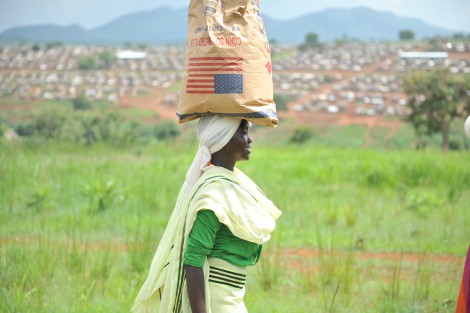
›“At the heart of…USAID’s transformation, is the core belief that each country must lead its development journey, and finance and implement solutions to its development challenges,” said Susan Fine of USAID at a recent Center for Global Development event introducing USAID’s new “Journey to Self-Reliance ” indicators.
Showing posts from category democracy and governance.