-
Beyond Arctic Conflict: Prospects for Peace and International Cooperation
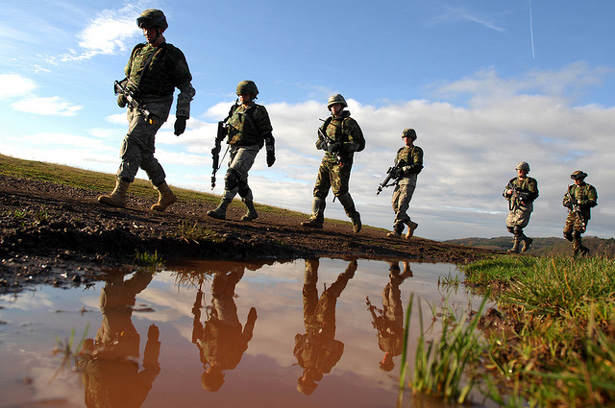
›Temperatures in the Arctic have increased at twice the global rate over the past 40 years, vaulting the region to international prominence as an emerging theater for maritime transportation and competition over newly uncovered resources.
 The international community should start strategizing now to manage the ambitions of circumpolar states and minimize the potential for conflict, write authors Rob Huebert, Heather Exner-Pirot, Adam Lajeunesse, and Jay Gulledge in a report. Published by the Center for Climate and Energy Solutions, Climate Change and International Security: The Arctic as a Bellwether explores the geopolitical implications of climate change in the Arctic and puts forth several recommendations for policymakers to consider. Huebert et al. write that “maintaining security and peace in the Arctic will require adapting policies and institutions to the emerging environment there.” They recommend that Arctic states strengthen existing multilateral agreements by, for example, advocating the accession of the United States into the UN Convention on the Law of the Sea. Further, they propose that the Arctic Council lifts its ban on discussing security issues in order to become a forum for meaningful discussion.
 -
Can Women Deliver a New Development Agenda in 2015?
›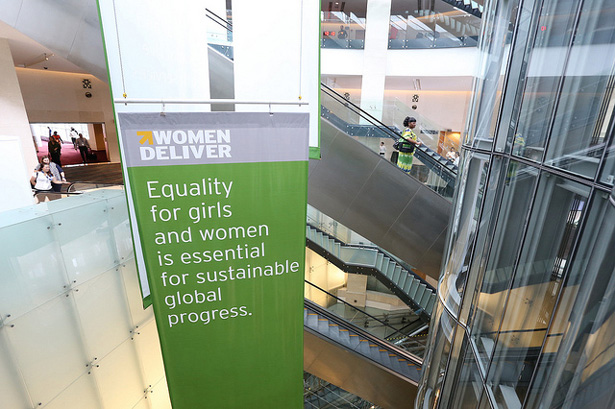
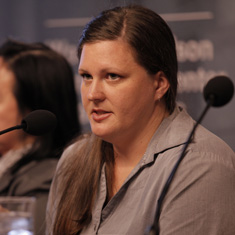
The disempowerment of women and girls is the single biggest driver of inequality today, said Helen Clark, administrator of the UN Development Program, during a plenary on the final day here at the Women Deliver conference in Kuala Lumpur, where more than 4,500 people from 149 countries and 2,200 organizations gathered to discuss women’s health, equity, and international development.
-
Environmental Security: Approaches and Issues (Book Preview)
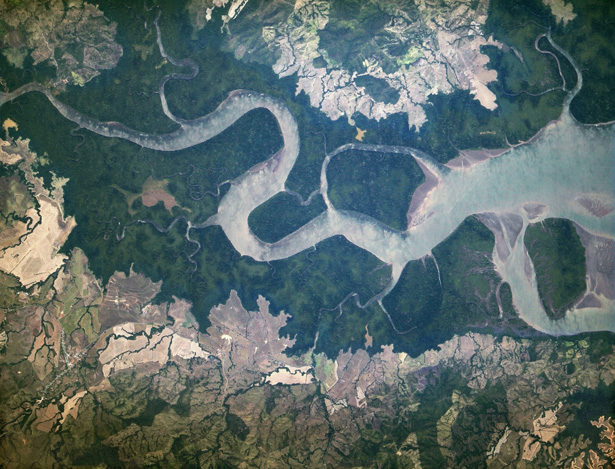
›A little over a decade ago when I first became interested in the subject of environmental security, it took me ages to understand what I have since been eager to stress: environmental security is not a concept but rather a debate.
-
Leslie Mwinnyaa: Young People Drive Integrated Development in Ghana’s Ellembelle District
›“I have been amazed and inspired by the youth that I’ve worked with, with their dedication and motivation to help their countrymen and to try to make their communities better places,” says Leslie Mwinnyaa in this week’s podcast.
When Mwinnyaa arrived in the Ellembelle district of coastal Ghana as a Peace Corps volunteer she found a multitude of development challenges. Fishermen routinely use illegal techniques like chemicals, lights, and dynamite that decimate fish stocks; “sand winning” and mangrove clearing increases erosion, leaving communities vulnerable to flooding and reducing breeding grounds for local fish; poor waste and refuse management contributes to disease and poor health; and teenage girls have twice the national rate of pregnancy.
-
What Does It Take to Cooperate? Transboundary Water Management Around the World
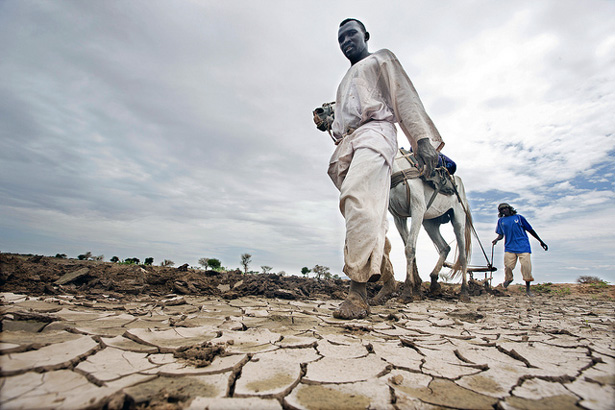
›Water is the foundation of human society and will become even more critical as population growth, development, and climate change put pressure on already-shrinking water resources in the years ahead. But will this scarcity fuel conflict between countries with shared waters, as some have predicted, or will it create more impetus for cooperation?
-
Wilson Center Premieres ‘Healthy People, Healthy Environment’ and ‘Transcending Boundaries’ at Environmental Film Festival
›Environmental security and international development aren’t typical movie-going fare, but at the 2013 DC Environmental Film Festival, ECSP premiered two short documentaries with unique environmental stories: Healthy People, Healthy Environment: Integrated Development in Tanzania shows how improving health services and environmental conservation can empower coastal communities in Africa; and Transcending Boundaries: Perspectives from the Central Albertine Rift Transfrontier Protected Area Network explores the opportunities for “peace parks” along the shared borders of Uganda, Rwanda, and the Democratic Republic of Congo.
-
New Partnerships for Climate Change Adaptation and Peacebuilding in Africa
›“There is a huge gap between climate science, policymakers, and the end-users, in terms of understanding climate change and adaptation, and how that relates to conflict or peace,” concluded 26 experts from more than 10 countries across sub-Saharan Africa at the Wilson Center last fall. But “climate change adaptation is crucial to achieving Africa’s aspirations for peace, security, and sustainable development.”
-
A Year for Cooperation, Not Conflict, Over Water
›February 12, 2013 // By Kate DiamondYou might think that conflict over water is inevitable as rising temperatures and changing climates are expected to constrain supplies in the coming decades at the same time that expanding consumption standards and growing populations are expected to boost demand. But you’d be wrong, according to the United Nations – and they’re launching the International Year for Water Cooperation this week to make that point.
Showing posts from category cooperation.