-
50 Years of Family Planning at USAID: Successes, Political Challenges, and Future Directions
›
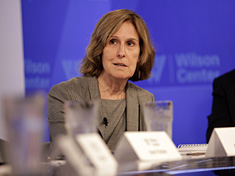
Since President Lyndon B. Johnson created the USAID population program in 1965, it has evolved in tandem with the global discourse on population and demography. “The agency’s family planning program is as relevant today as it ever was, and is necessary,” said Jennifer Adams, deputy assistant administrator of the U.S. Agency of International Development’s Bureau for Global Health. The bureau houses the Office of Population and Reproductive Health, which implements U.S. development and relief efforts to expand access to modern contraceptives, fight HIV/AIDS, reduce unsafe abortions, and protect the health of women and children. [Video Below]
-
A New Climate for Peace: Taking Action on Climate and Fragility Risks (Report Launch)
›
As momentum builds towards the negotiation of the Sustainable Development Goals and UN climate change summit later this year, the G7 countries – France, Germany, Italy, Japan, Canada, the UK, and the United States – have made a strong statement about the importance of climate security risks. A New Climate for Peace: Taking Action on Climate and Fragility Risks, an independent report commissioned by G7 foreign ministers and authored by a consortium of international organizations including the Wilson Center, analyzes the security and stability risks posed by climate change and offers concrete policy options for addressing them. [Video Below]
-
A Nuclear Deal Could Help Iran Harness a Youthful Labor Force
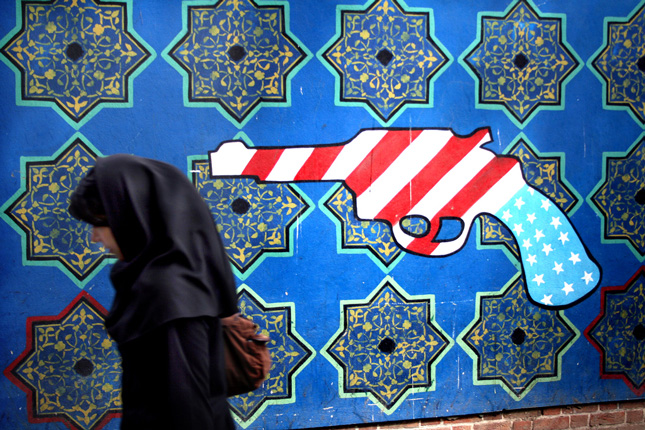
›Iran is poised to reap a vast “demographic dividend” if the appropriate national and international policies are adopted, including a nuclear deal with the P5+1 (five permanent members of the UN Security Council, plus Germany).
-
Alexander Carius: To Promote Cross-Sectoral Collaboration, Put Resilience at the Forefront
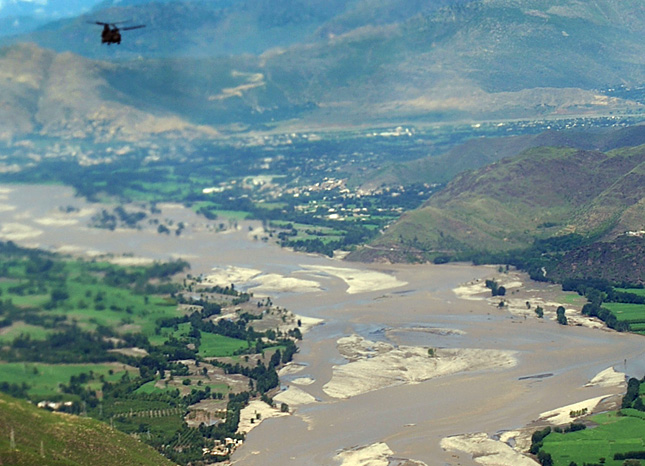
›With dangerous levels of climate change already in the pipeline, countries across the world are tasked with adapting to a drastically changing Earth. The Wilson Center and a consortium of international partners recently released an independent report commissioned by the G7 that examines the risks to stability from climate change.
-
Integrated Development Project Adjusts to Burundi’s Presidential Crisis
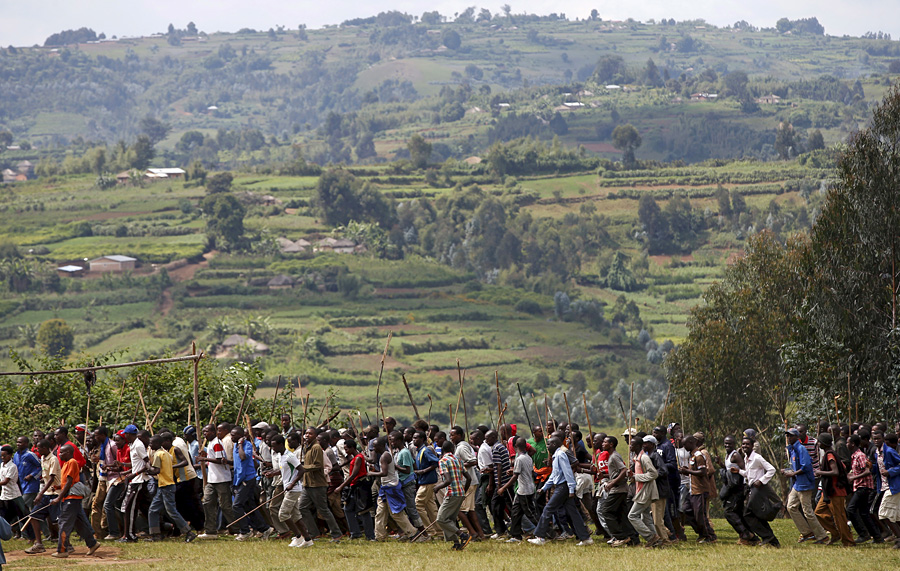
›President Pierre Nkurunziza’s decision to run for a third term in April plunged Burundi into a state of unrest not seen since the end of the country’s civil war in 2005. Refugees are arriving in neighboring Tanzania, Rwanda, and the Democratic Republic of Congo (DRC) in the tens of thousands, raising the possibility that the deteriorating security situation could spill over borders.
-
How to Create a New Climate for Peace: Preventing Climate Change From Exacerbating Conflict and Fragility
›June 19, 2015 // By Lauren Herzer RisiWhen the leaders of the G7 countries – Canada, France, Germany, Italy, Japan, the United Kingdom, and the United States – met earlier this month, they agreed to make fossil fuels a thing of the past by 2100. At the same time the G7 is also taking steps to make climate change’s connection to conflict a priority in the present.
-
“No Precedent in Human History”: Ruth Greenspan Bell on Why Climate Change Demands More Than the UNFCCC
›The stakes are high for the UN climate conference in Paris later this year, so high in fact, some scholars feel it’s foolish to be putting all our eggs in one basket.
-
“Climate Change Makes the World More Violent”: How One IPCC Author Would Rewrite His Chapter
›With thousands of scientists representing 195 countries working for more than a quarter of a century, the Intergovernmental Panel on Climate Change (IPCC) is the world’s leading authority on of assessing climate change and its potential socio-economic impacts. However, Marc Levy, an IPCC lead author and deputy director of Columbia University’s Center for International Earth Science Information Network, says he’d have gone further in connecting climate change to conflict in their latest report if it were up to him.
Showing posts from category cooperation.