-
Michael Kugelman on Pakistan’s “Nightmare” Water Scenario
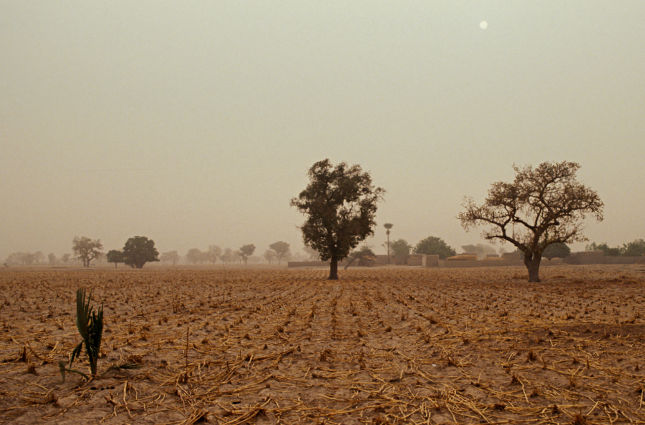
› “Water scarcity is a nightmare scenario that is all too real and all but inevitable in Pakistan,” says Michael Kugelman, deputy director of the Wilson Center’s Asia Program, in this week’s podcast.
 -
Blair A. Ruble, Urban Sustainability Laboratory
Making Cities Work as Holistic Communities of Promise
›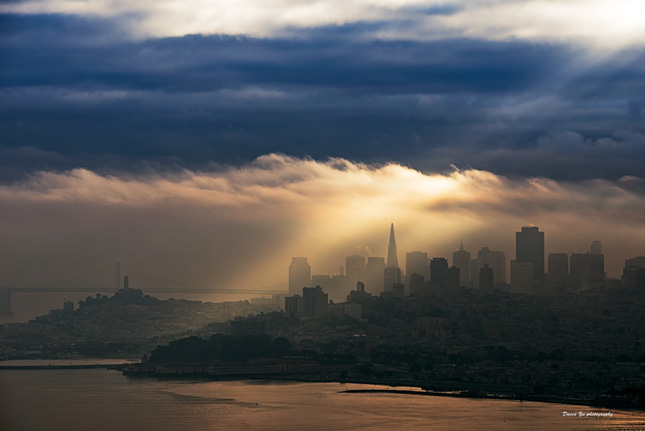
Shortly after the completion of the Empire State Building, the novelist F. Scott Fitzgerald was shattered by a visit to its observation deck. “Full of vaunting pride,” he wrote, “the New Yorker had climbed here, and seen with dismay what he had never suspected. That the city was not the endless succession of canyons that he had supposed, but that it had limits, fading out into the country on all sides into an expanse of green and blue. That alone was limitless. And with the awful realization that New York was a city after all and not a universe, the whole shining edifice that he had reared in his mind came crashing down.”
-
Roger-Mark De Souza on the Paris Climate Agreement, With or Without the U.S.
›“A lack of U.S. government support for the Paris climate agreement will mean that the United States will further isolate itself from international collaboration and cooperation on multiple fronts. It will affect U.S. security, the provision of jobs; U.S. business operations, and U.S. diplomatic efforts. The agreement, because it has a broad basis of support, will continue with or without the United States.”
-
Risk, But Also Opportunity in Climate Fragility and Terror Link
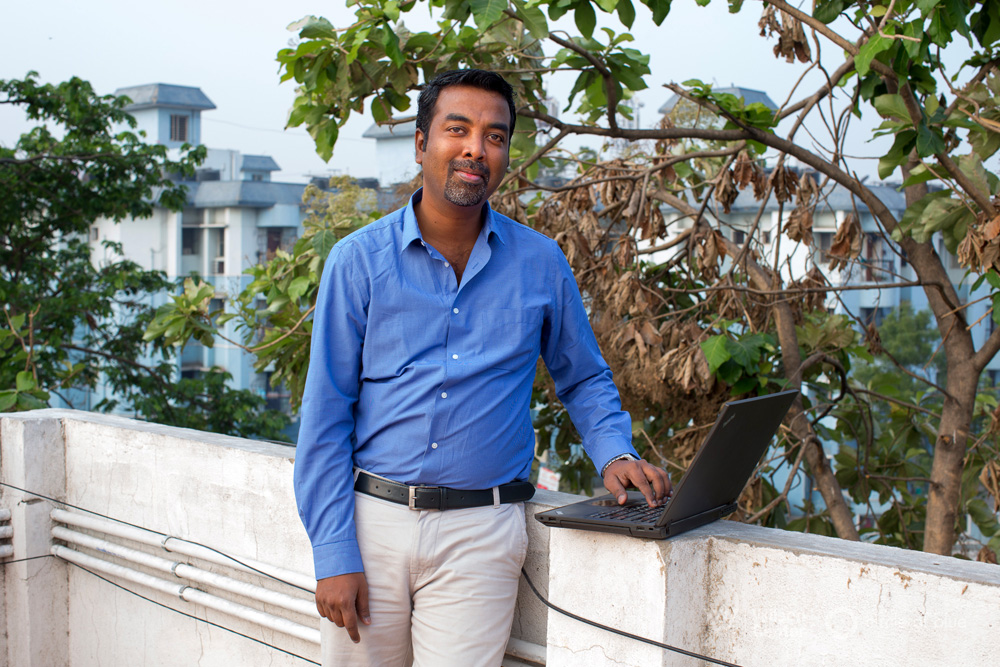
›In a recent article for New Security Beat, Colin Walch made the case that the abandonment of some communities in Mali to deal with climate change on their own has created “fertile ground” for jihadist recruitment. In a similar argument, Katharina Nett and Lukas Rüttinger in a report for adelphi asserted last month that “large-scale environmental and climatic change contributes to creating an environment in which [non-state armed groups] can thrive and opens spaces that facilitate the pursuit of their strategies.”
-
The Business Case for Sustainable Development Is Real and Growing
›In 2000, the United Nations established the Millennium Development Goals (MDGs) with the goal of creating a global partnership for development. The formation of the MDGs created a foundation for collaboration and encouraged cross-sector partnerships to reduce poverty but also promote issues like environmental sustainability and gender equality. To carry on momentum from the MDGs, 17 Sustainable Development Goals (SDGs) were established in 2015 to further encourage partnerships between civil society organizations, the private sector, academic institutions, and more. Increased private sector engagement in development is a major goal of the SDGs – and we would argue that it is crucial to their success.
-
Facing Floods, Social Entrepreneurs Push Chennai to Consider New Growth Strategy
›Before the 2015 floods that drowned Chennai, Pradeep John spent several years posting thorough and dutifully accurate updates and alerts on Twitter and Facebook as the Tamil Nadu Weatherman. An amateur meteorologist who developed considerable expertise in weather data and satellite imagery, John’s online followers relied on his crisp forecasts and advice.
-
Caribbean Governments Huddle to Discuss Climate Adaptation Plans
›As more climate change seems locked in – some estimates suggest a 1.5-degree Celsius (2.5 degree Fahrenheit) rise above pre-Industrial averages is guaranteed – more governments are allocating resources to adaptation. Caribbean communities that contribute very little to climate change are some of the most vulnerable, and representatives from many met in October 2016 in Grenada to share experiences and build technical capacity.
-
What’s in a Label? Lessons on Advancing Global Health Goals From Corporate Green Standards
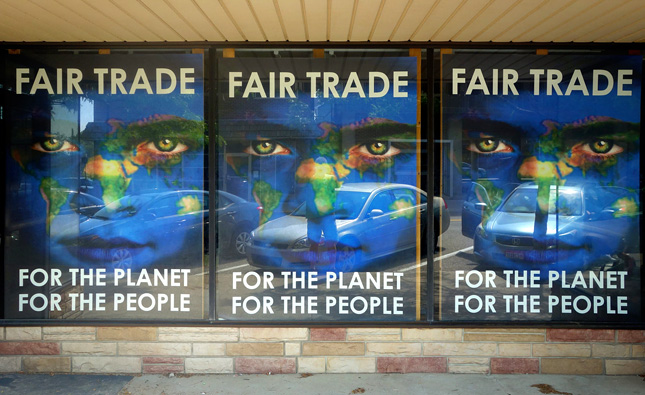
›As you walk through the supermarket, you’ve probably noticed labels like “Rainforest Alliance Certified,” “Fair Trade,” or “Green Seal.” These certifications were created to help consumers use their purchasing power to reward companies that treat workers fairly and limit their harm to the environment. What’s missing is health, particularly women’s health. Too often these standards focus narrowly on occupational safety rather than addressing broader, but relevant, health needs of workers.
Showing posts from category cooperation.
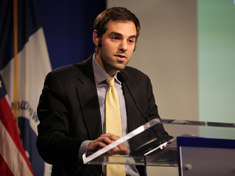 “Water scarcity is a nightmare scenario that is all too real and all but inevitable in Pakistan,” says Michael Kugelman, deputy director of the Wilson Center’s Asia Program, in this week’s podcast.