-
Managing the Planet: The World at Seven Billion
›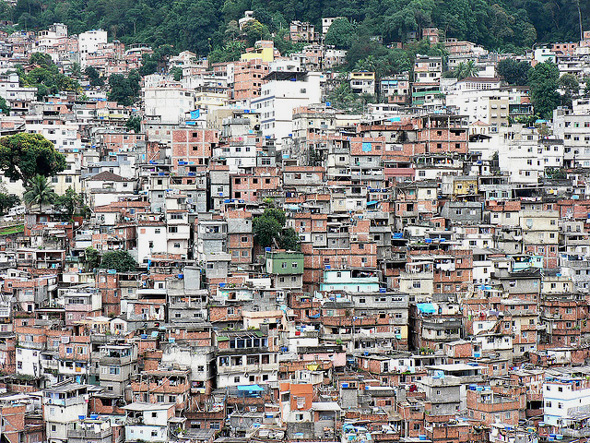
Population growth “is highly concentrated in what are today the poorest and least well-governed areas of the world,” said George Mason University professor Jack Goldstone at the Wilson Center on December 5.
Goldstone was joined by Suzanne Ehlers, president and CEO of Population Action International (PAI), and Matthew Erdman, population-health-environment technical advisor at USAID, to discuss the implications of seven billion people and counting for the environment as part of the joint Wilson Center-George Mason University Managing the Planet series. [Video Below]
-
Autumn Spanne, The Daily Climate
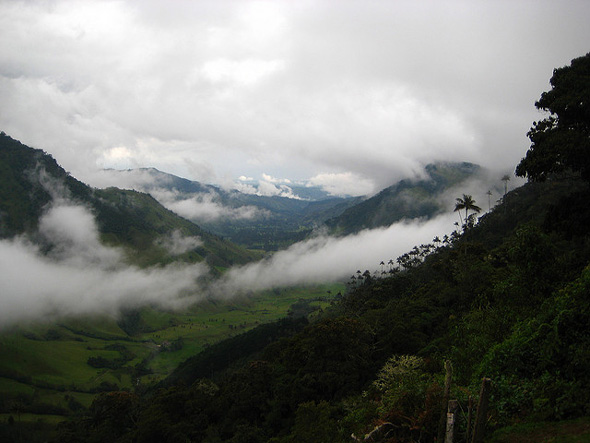
Colombia’s Unexplored Cloud Forests Besieged by Climate Change, Development
›December 13, 2012 // By Wilson Center Staff
The original version of this article, by Autumn Spanne, appeared on The Daily Climate.
Five hours by truck and mule from the nearest town, a rumbling generator cuts through the silent night to power large spotlights as botanists crouch and kneel on large blue tarps spread across a cow pasture. It’s nearly midnight, and the team works urgently to describe every detail of the dozens of colorful orchids, ferns, and other exotic plants they have collected that day in Las Orquídeas National Park, one of the single most biologically diverse places on the planet.
-
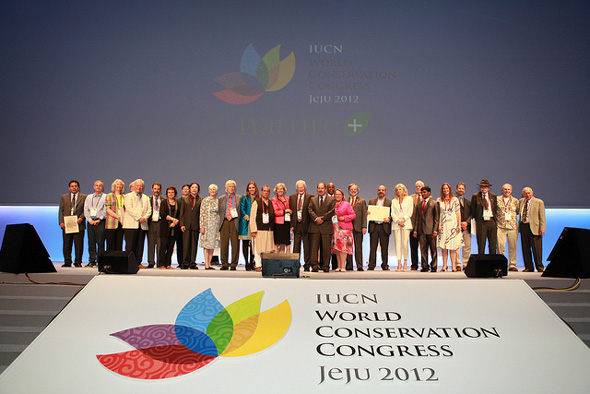
Linking the Environment and Women’s Health at the World Conservation Congress
›November 30, 2012 // By Payal ChandiramaniPeople don’t often think of gender issues when they think of the environment, but in fact sustainable development in many of the world’s most bio-diverse regions has a lot to do with women’s health and well-being.
At this year’s World Conservation Congress, where the theme was improving the inherent resilience of nature, ECSP’s Sandeep Bathala presented alongside Blue Ventures’ Gildas Andriamalala about the connections between women’s health and the environment – specifically on the potential of population, health, and environment (PHE) approaches as an effective sustainable development strategy.
-
‘The New York Times’ Highlights Converging Development Trends in Brazil’s Amazon
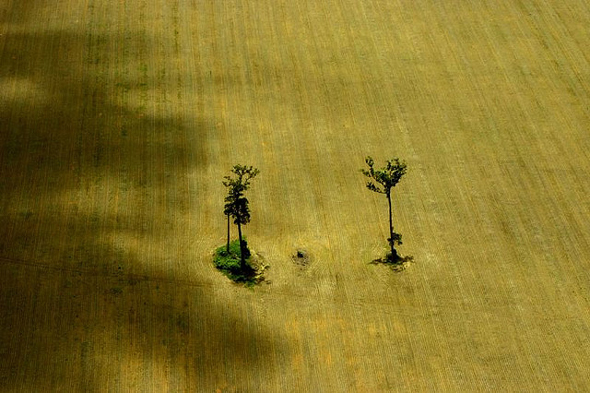
›The Amazon is home to some of the world’s most expansive rainforest – and, increasingly, some of Brazil’s fastest growing cities. Urbanization and deforestation are upending the traditional image of the Amazon, turning one of the world’s most biodiverse regions into an economic and demographic explosion, according to an in-depth article by Simon Romero in The New York Times.
-
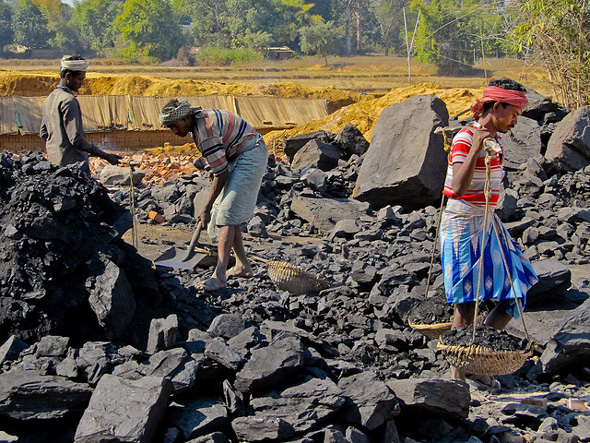
India’s Environmental Security Challenge: Water, Coal, Natural Gas, and Climate Change Fuel Friction
›November 23, 2012 // By Michael KugelmanThe original version of this article appeared in NATO Review.
Few regions are more environmentally insecure than South Asia.
The region faces rising sea levels and regularly experiences coastal flooding – of particular concern in a region with heavily populated and arable-land-rich coastal areas. Additionally, it is highly vulnerable to glacial melt. The Western Himalayas, which provide water supplies to much of South Asia, have experienced some of the most rapid melt in the world.
-
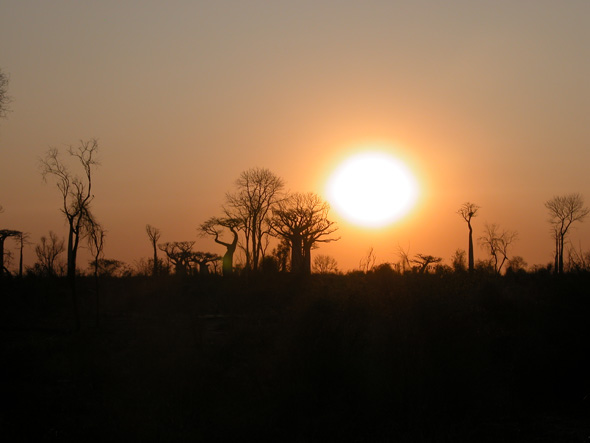
Ravao’s Story: A Health and Environment Champion From Madagascar’s Mikea Forest
›The original version of this article, by Vik Mohan, appeared on Blue Ventures’ blog.
I recently spent a hectic and intense couple of weeks in the village of Andavadoaka, where Blue Ventures’ community health project is based, during my annual visit to Madagascar. Although I founded our Safidy (meaning “choice”) health program several years ago, each return visit brings new and inspiring stories and lessons from our team on the ground.
-
Liang Jialin and Jiang Han, ChinaDialogue
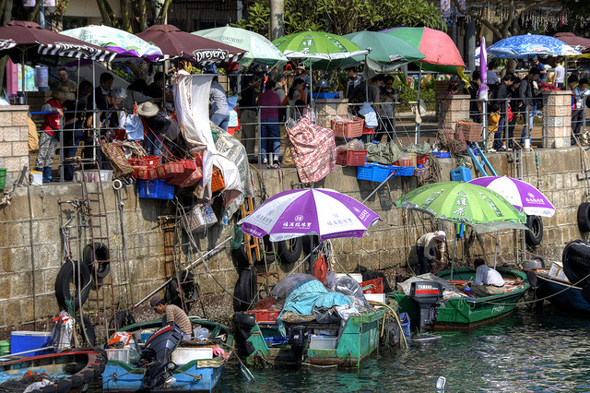
Overfishing Pushes 80 Percent of Chinese Fishermen Towards Bankruptcy
›November 9, 2012 // By Wilson Center StaffThe original version of this article, by Liang Jialin and Jiang Han, appeared in English on ChinaDialogue and in Chinese on Economic Information Daily.
In mid-September, the fishing season got under way as usual in Ningbo, on China’s east coast, after the three-month season when fishing is forbidden. Over 2,000 steel-hulled boats headed out to sea. But, on board, there was little cause for optimism.
-
Linking Biodiversity and WASH Efforts in Africa
›Sub-Saharan Africa is a key region both for conservationists and those working for improved public health. Nine of the world’s 34 biodiversity hotspots are in sub-Saharan Africa, as are two of the five most important wilderness areas. This hotbed of biodiversity is also home to many of the world’s most rapidly growing populations and swelling urbanization, which is putting increased pressure on natural resources.
Showing posts from category conservation.