-
Bixby Report Explains Cross-Cutting Effect of Family Planning on Food Security, Climate Change
›July 16, 2015 // By Linnea Bennett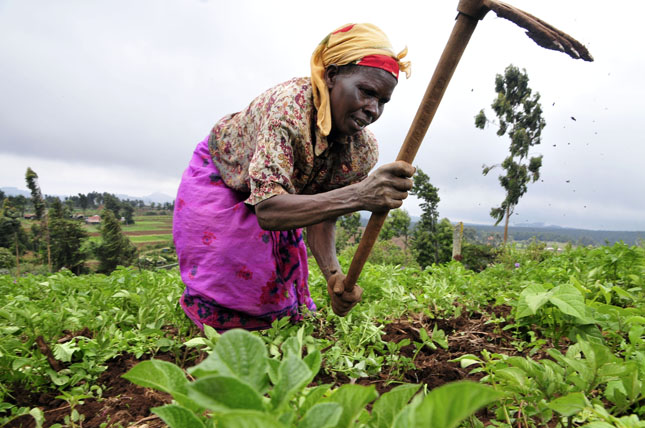
“With current neglect of family planning, the UN’s recent projection of a 2100 world population of up to 12.3 billion is a possibility,” says a report from the University of California, San Francisco’s Bixby Center for Global Reproductive Health. Increased voluntary family planning efforts are needed, the authors contend, to meet existing demand for contraceptives, stabilize the threat of global food insecurity, and reduce carbon emissions that contribute to climate change.
-
Oakland’s Web of Waters Shapes New Economy, Civic Energy
›
In March 1999, not long after he was sworn in as the 47th mayor of Oakland, Jerry Brown called Lesley Estes, the supervisor of the city’s watershed protection program. Brown, who is now California’s governor, wanted the city staffer he called “Creek Lady” to describe the most formidable ideas she had to conserve natural areas, make parks more beautiful, and clean up the city’s waters.
-
Peter Schwartzstein, National Geographic
After Spark of Hope, Iraq’s Marshes Are Again Disappearing
›July 13, 2015 // By Wilson Center StaffAs Saddam Hussein drained Iraq’s famed marshes to punish the rebellious tribesmen who lived in them, Amjad Mohamed packed his few possessions, grabbed his fishing rod, and fled south to Basra with his extended family.
-
Soil Security and Incorporating Forestry Into Food Security Strategies
›Earth’s thin upper-crust of soil is kept in balance by a complex carbon and nutrient cycle that is increasingly threatened by human exploitation and climate change, according to a review in Science. The chemicals trapped in topsoil and subsoil are crucial to plant growth, but are being depleted at rates much higher than they are being replenished, writes Ronald Amundson et al. For instance in the central United States, estimated soil erosion rates exceed production rates by 10 times. -
Pope Francis’ Encyclical Calls for Integrated Development – Just Don’t Say “Reproductive Health”
›Pope Francis sparked worldwide discussion and jubilation among many green advocates after releasing Laudato Si, the first Papal encyclical to focus directly on the environment. The pontiff touched on everything from pollution and sustainable development, to anthropogenic climate change and water security in his 180-page missive.
-
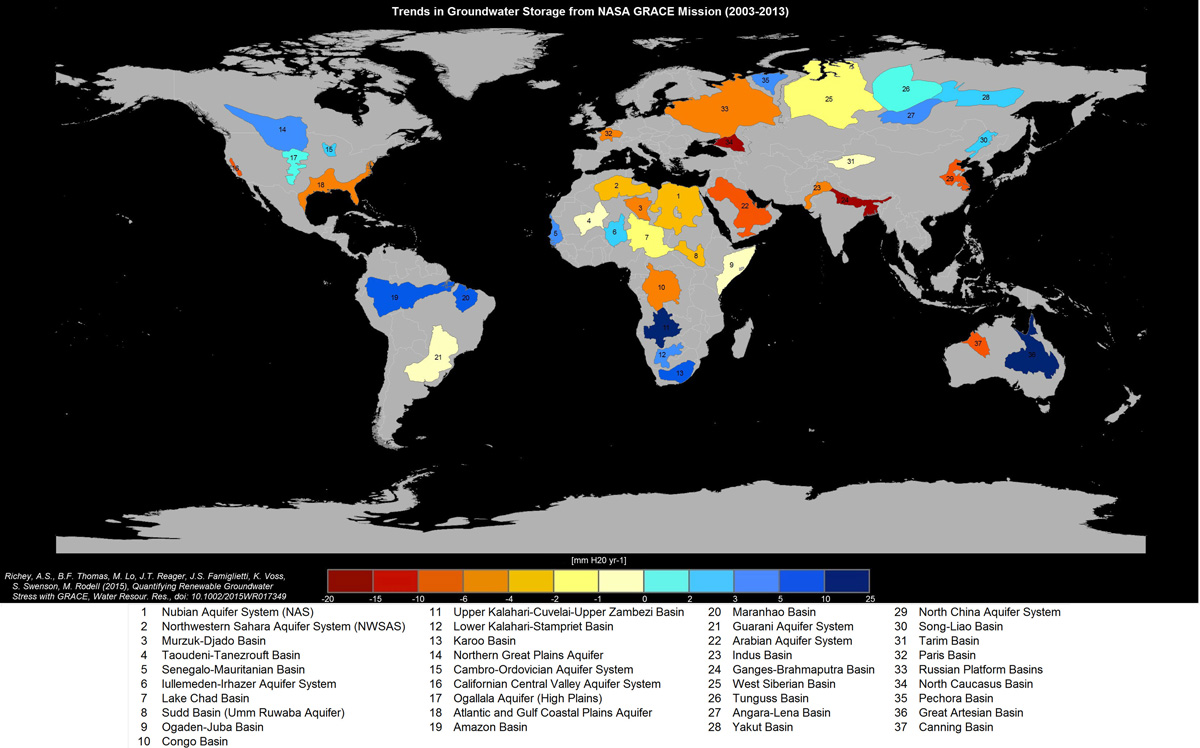
NASA Data Reveals Most Major Aquifers Depleting Faster Than They Recharge
›Researchers have been warning about future water scarcity for decades, but new data reveals a majority of the world’s largest aquifers are already running out of water.
-
From One Generation to the Next: New Wilson Center Film Explores Integrated Development in Ethiopia
›June 17, 2015 // By Sean PeoplesOn a warm January afternoon, Tesema Merga, a village elder in Endibir, Ethiopia, surveyed the latest improvements to the long dirt road just outside his house. Eventually this road will be paved, which will bring significant changes to the community.
-
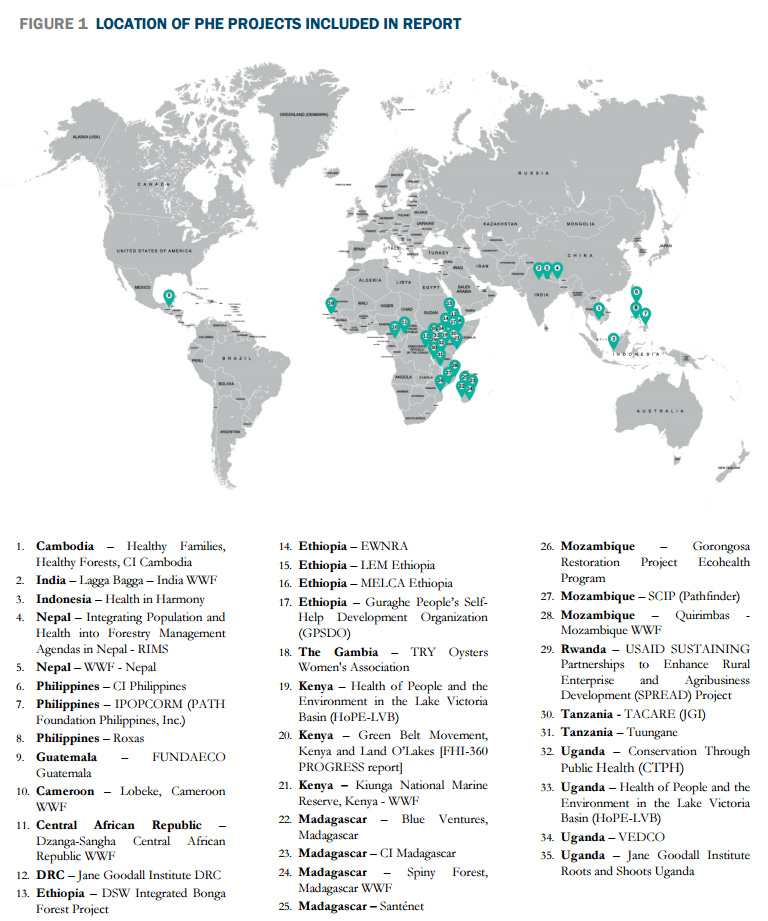
Do Population, Health, and Environment Projects Work? A Review of the Evidence
›Frequent readers of New Security Beat are no strangers to the PHE approach to development – projects, often community-based, that integrate population, health, and environmental programming in a single intervention. Practitioners suggest that such integrated programming is more effective and efficient than running simultaneous siloed projects, each focusing on a narrower objective. But does the evidence support this conclusion? How effective is the PHE approach?
Showing posts from category conservation.