-
A Toxic Legacy: Remediating Pollution in Iraq
›As the so-called Islamic State loses control over the areas it once occupied, it is leaving behind a toxic legacy. The initial findings of a scoping mission undertaken by UN Environment Programme’s Conflict and Disasters branch found a trail of localized pollution that could have acute and chronic consequences for Iraq—and not just for its environment.
-
Sustainable Water, Resilient Communities: The Challenge of Too Little Water
›From the Wilson Center // Water Security for a Resilient World // October 27, 2017 // By Gretchen Johnson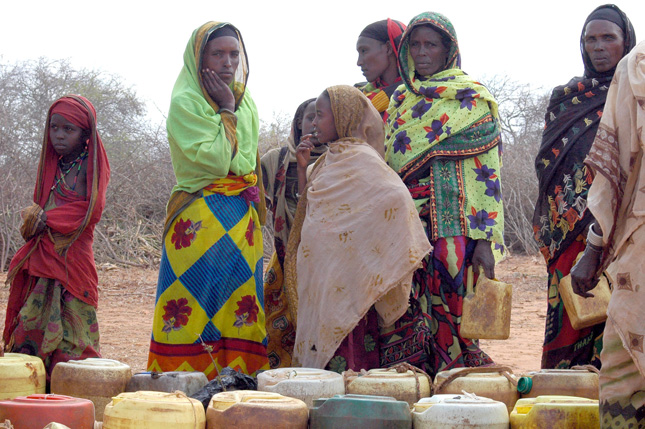
Water is a “strategic instrument in the creation of a safer, healthier, more nutritious, less aggressive world,” said Winrock International President and CEO Rodney Ferguson at the first event in a four-part series on water security organized by the Wilson Center and the Sustainable Water Partnership. Panelists at the event identified innovative and integrated efforts necessary to increase global water security in the face of growing water scarcity.
-
REDD+ Progress: Forests and Solving the Climate Change Challenge
›
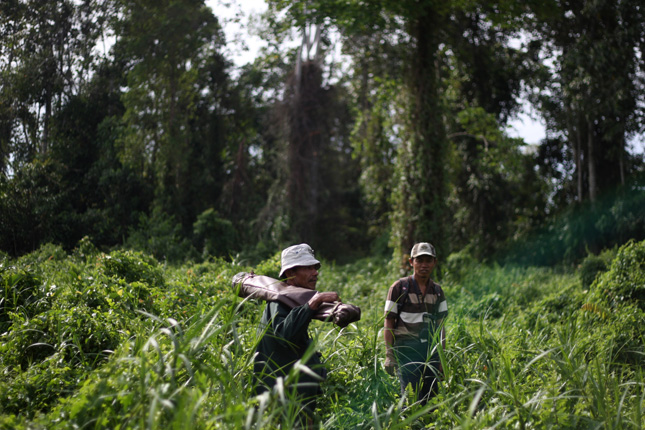
From 1870 to 2015, the CO2 concentration in the atmosphere increased significantly, said Professor Maria Sanz, scientific director at the Basque Center for Climate Change in a recent webinar organized by WWF Forest and Climate. Forests have been responsible for global greenhouse gas emissions through forestry and other land use activities. However, she noted that forests also absorb nearly one-third of the emissions generated from fossil fuels.
-
Fresh Water, Safe Water: Integrating Freshwater Conservation and WASH in Sub-Saharan Africa
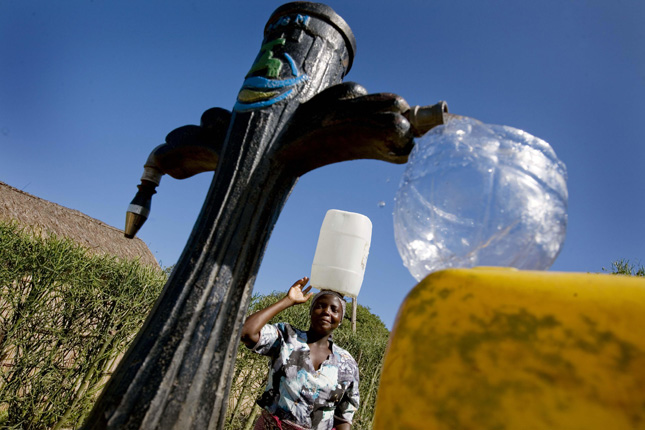
›Despite sharing a common element—water—the freshwater community and the Water, Sanitation and Hygiene (WASH) community have traditionally worked independently of each other, said Jimmiel Mandima, director of U.S. government relations at the African Wildlife Foundation during a recent webinar organized by USAID-supported Africa Biodiversity Collaborative Group (ABCG). However, that is starting to change: “Integration will bring value addition and synergy,” he said.
-
Fishing for Criminals: Mapping the Security Threats of Illegal, Unreported, and Unregulated Fishing
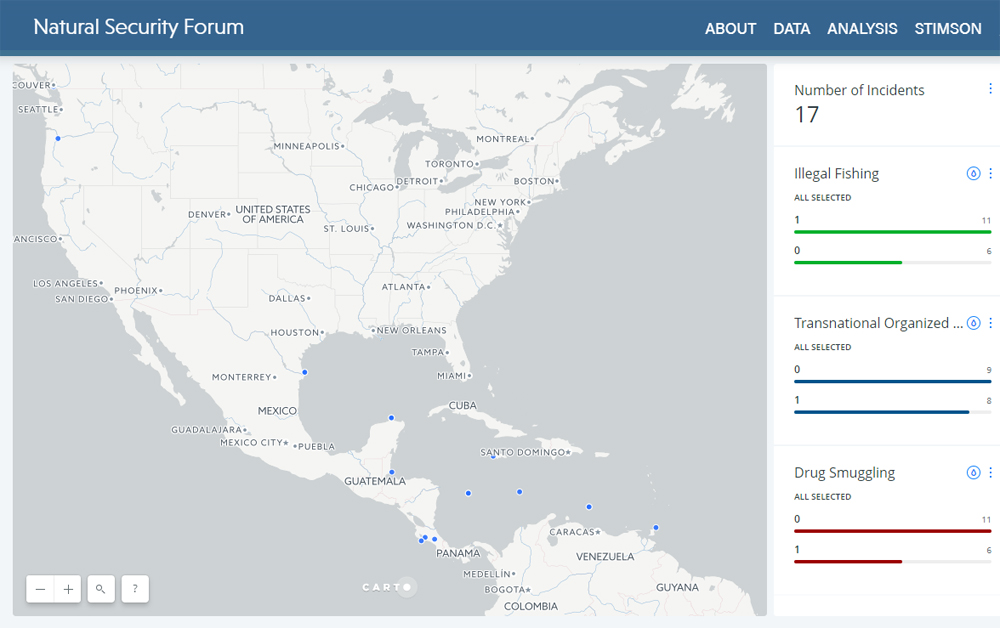
›Organized crime, arms and drugs smuggling, and conflict often overlap with environmental crimes like illegal fishing. A new interactive database from the Stimson Center’s Environment Security program maps incidents of illegal, unreported, and unregulated (IUU) fishing with the aim to “illuminate and educate on the geostrategic security implications of environmental crime; foster the creation of a new and expanding community of natural security stakeholders; and change the terms of the conversation on environment crime, leading to innovation policy solutions.”
-
Observing Earth: Using Satellite Data for International Development
›“Interest in earth observation—and in particular, the value to what we do in development internationally—has never been higher,” said Jenny Frankel-Reed, adaptation team lead at the U.S. Agency for International Development (USAID). Frankel-Reed spoke at the Wilson Center’s recent panel discussion of the earth observation data program known as SERVIR, which included insights from USAID’s soon-to-be-released evaluation of the program.
-
Environmental Sustainability, Does It Make Dollars and Sense?
›While governments will play the central role in delivering the Sustainable Development Goals, they can’t do it without the private sector, said experts at the Wilson Center on April 12.
-
Historic Drought Prompts Water Innovation in California – Can It Be a Model?
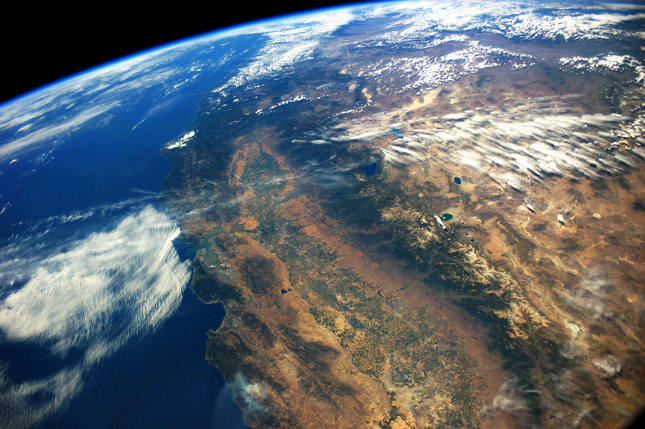
›Pray for rain. Mega-drought. Winter salmon run nearly extinguished. Sierra snowpack dismal. These were just some of the headlines in California newspapers over the last five years during a historic drought that elevated water security to the top of everyone’s minds.
Showing posts from category conservation.