-
Earlier Assessments of Conflict Damage Can Spur Timely Relief
›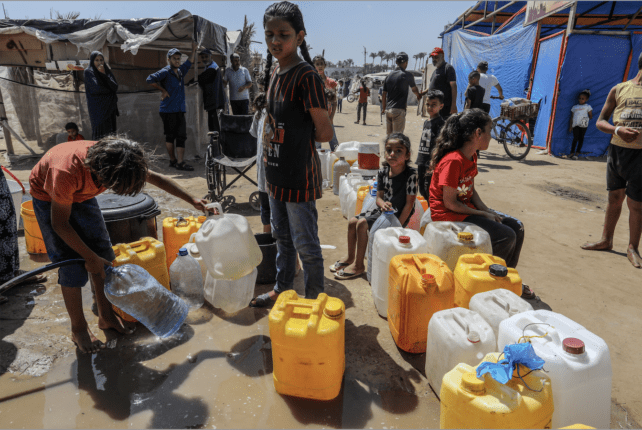
The widespread destruction of infrastructure has been a calamitous and common feature across many of the recent wars in the Middle East and North Africa and Ukraine—and urban landscapes such as Aleppo, Raqqa, Kharkiv, Mariupol, and Gaza City have borne the brunt of attacks. Without clean drinking water, electricity, treated sewage, food supplies, and medical services, cities become uninhabitable, disrupting the infrastructure upon which populations depend for basic services, and often leading to their forcible displacement. Civilians are also at risk of malnutrition, starvation, and preventable diseases that spread from dirty water and raw sewage in urban centers.
-
ECSP Weekly Watch | July 22 – 26
›
A window into what we are reading at the Wilson Center’s Environmental Change and Security Program
Worsening Health Conditions in War-Torn Gaza (BBC)
Water infrastructure in Gaza was already weak before the beginning of the war in 2023, but intensified conflict and siege of critical infrastructure the damage wreaked by Israel’s military forces on critical infrastructure (including water, energy, and food), has left 70% of the people in Gaza exposed to salinated and contaminated water. Traces of polio have been found in wastewater flowing both between displacement camp tents and in inhabited areas, and experts suggest that this water might be circulating.
-
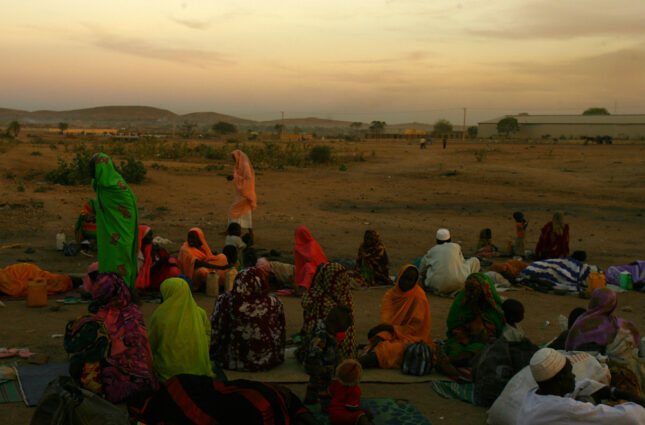
“A Devastating Toll”: Sudan’s Maternal Health Nightmare
›Ongoing fighting in Sudan has led to a devastating humanitarian crisis that United Nations Humanitarian and Emergency Relief Chief Martin Griffiths calls “one of the worst humanitarian nightmares in recent history.”
Among the millions of people harmed by the fighting are countless pregnant people and new mothers, who face direct and indirect threats to their health and lives in the country’s renewed conflict. Sudan was already suffering from a maternal mortality crisis prior to the onset of its latest civil war. Before the most recent round of bloodshed, Sudan’s maternal mortality rate stood at 270 deaths per 100,000 live births in 2020 – higher than the global average of 223 deaths. And as this crisis worsens, it is imperative to call attention to what is occurring there.
-
ECSP Weekly Watch | July 15 – 19
›A window into what we are reading at the Wilson Center’s Environmental Change and Security Program
Shedding Light on Imperial Oil’s Dark Waters (Mongabay)
Canada has the fourth-largest tar sands (oil deposits) in the world. Separating the bitumen used in industries and construction creates large volumes of toxic wastewater, which is stored in tailings ponds that now cover a staggering 270 square kilometers. Unresolved infrastructure mishaps at one such site in Alberta operated by Imperial Oil means that contaminants have polluted nearby waters so significantly that it has affected public health and the livelihoods of indigenous communities in downstream areas.
-
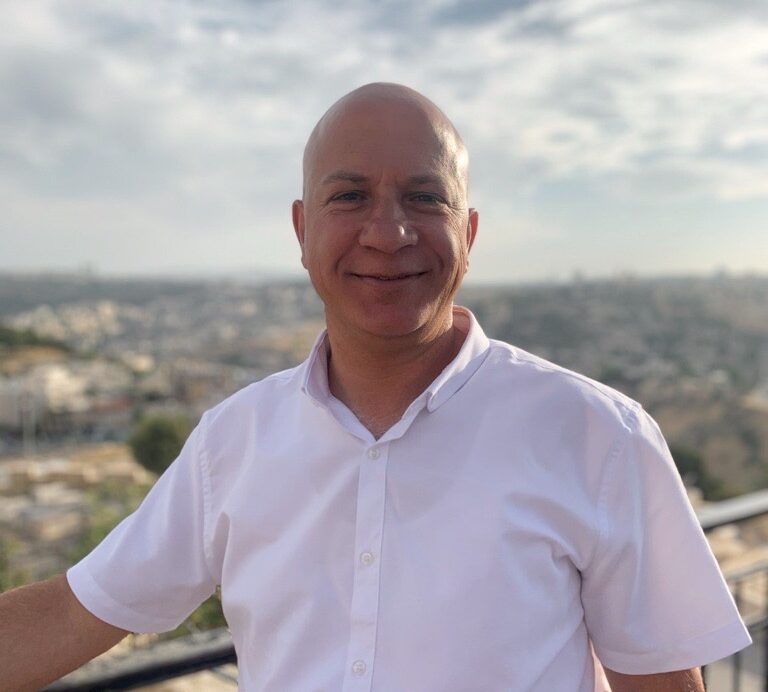
Environmental Cooperation in the Middle East: A Conversation with Dr. Tareq Abu Hamed
›In today’s episode of New Security Broadcast, Wilson Center Global Fellow and environmental journalist Anneliese Palmer speaks with longtime leader in regional environmental diplomacy and Executive Director of the Arava Institute for Environmental Studies, Dr. Tareq Abu Hamed. In their conversation, Dr. Hamed unpacks the opportunities and challenges of climate and environmental diplomacy, environmental peacebuilding efforts in Gaza and the Middle East, as well as his role in Jumpstarting Hope, a project that works to provide essential services such as safe drinking water and sustainable electricity to communities in Gaza. -
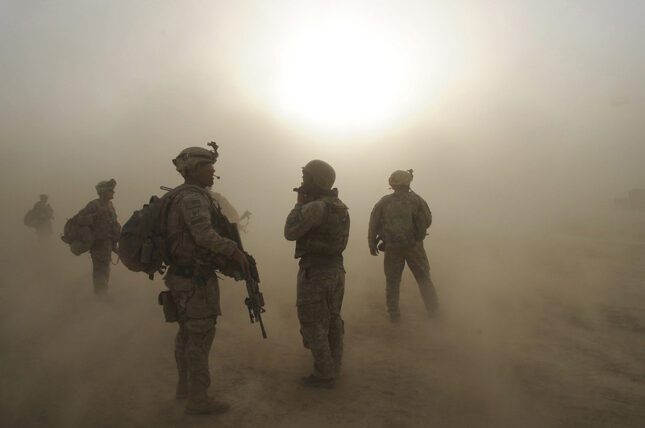
An Interview with NATO’s Paul Rushton on the Alliance’s Climate Security Efforts
› When senior officials from 32 countries meet in Washington, DC next week for the NATO Summit, deterrence and defense, as well as Ukraine and global partnerships, are at the top of the agenda. As NATO Secretary General Jens Stoltenberg observed at a recent Wilson Center event: “The war in Ukraine demonstrates that our security is not regional, it is global – not least because of the support we know Russia is getting from China and others.”Under Stoltenberg’s leadership, NATO has recognized that climate change is also reshaping the security landscape. In 2021, NATO launched a Climate Change and Security Action Plan which positions the organization as a leader in understanding and adapting to climate impacts on security. Two years later, the NATO Climate Change and Security Centre of Excellence (CCASCOE) was established in Montreal.
-
ECSP Weekly Watch | June 24 – 28
›A window into what we are reading at the Wilson Center’s Environmental Change and Security Program
Renewable Energy Needs a Social Vision (Mongabay)
The Zapotec of the Isthmus of Tehuantepec have accused energy giant EDF (Électricité de France) of causing human rights abuses while building wind farms in Oaxaca state. They also claim the company intimidated and harassed social movements who opposed this construction on their ancestral lands. The Zapotec are indigenous peoples of Mexico who call themselves Bën Za or “The People”—and after three years of struggle and stalling tactics by EDF’s legal representatives, French courts have authorized their civil case filing at last.
-
Flowing Together: Peace and Conflict’s Role in Socio-hydrology
›In an era where water scarcity and disputes over water rights increasingly shape global politics, understanding the nexus between water and peace is more critical than ever. Recent events such as the border clashes between Kyrgyzstan and Tajikistan, or continued tensions between Egypt, Ethiopia, and Sudan over the Nile River’s usage, underscore the urgent need for comprehensive strategies to address both the hydrological and social dimensions of water management.
Showing posts from category conflict.
 In today’s episode of New Security Broadcast, Wilson Center Global Fellow and environmental journalist Anneliese Palmer speaks with
  When senior officials from 32 countries meet in Washington, DC next week for the NATO Summit, deterrence and defense, as well as Ukraine and global partnerships, are at the top of the agenda. As NATO Secretary General Jens Stoltenberg observed at a recent Wilson Center event: “The war in Ukraine demonstrates that our security is not regional, it is global – not least because of the support we know Russia is getting from China and others.”