-
Climate Change Is the Biggest Challenge: Wilson Experts on Top Issues Facing President-Elect Trump
›From Putin to Cuba, there are a bevy of international issues competing for attention as the next administration beings to take shape. In a series of contextual one minute video briefings, the Wilson Center’s community of experts weighs in what the world expects of President-elect Trump and the United States moving forward.
-
The Rising Tide of Water Insecurity: Moving from Risks to Responses
›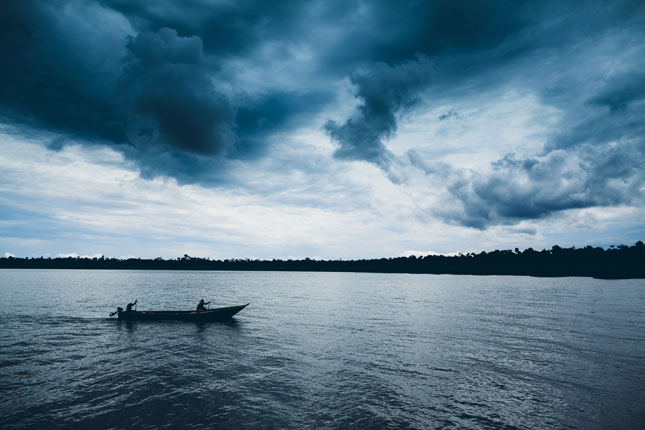
“Water is the frontline of climate change. It’s what every report that you see identifies as the sort of first and foremost effect we see from a climate changing world,” said Sherri Goodman, a public policy fellow at the Wilson Center and formerly of CNA and the U.S. Department of Defense, on October 19.
-
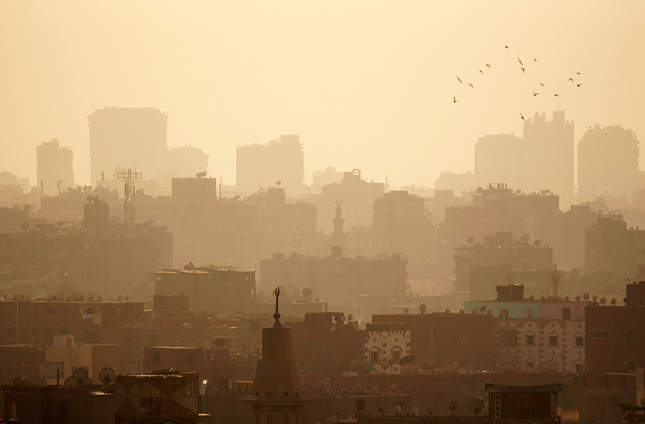
“You Are Asking About Pollution?”: One Journalist’s Perspective on the Mid East’s Environmental Crisis
›
It was some point in May last year, shortly after ISIS surged into the city of Ramadi, and I was working on a story about Iraq’s fast-disappearing Mesopotamian Marshes. Keen to fact-check a few statistics with the Ministry of Water Resources and to hear the government line on the wetlands’ struggles, I dialed its Baghdad offices. After being passed from official to official like a hot potato, a young employee, Hussein, finally gave it to me straight. “No, no, we don’t have this sort of information,” he said, clearly impatient to get off the phone. “There are much more important things in Iraq right now.”
-
How Climate Change May Speed Democratic Turnover, and Beyond a “Naïve” Understanding of Drought and Conflict
›In a recent paper published by Climatic Change, Nick Obradovich conducts the “first-ever” investigation into the relationship between rising global temperatures, electoral returns, and climate change. Using data from more than 1.5 billion votes cast across electoral contests held in 19 countries, he found that when the annual average temperature for a country rose above 70°F, there was a “marked” decrease in the number of votes received by incumbent officeholders. -
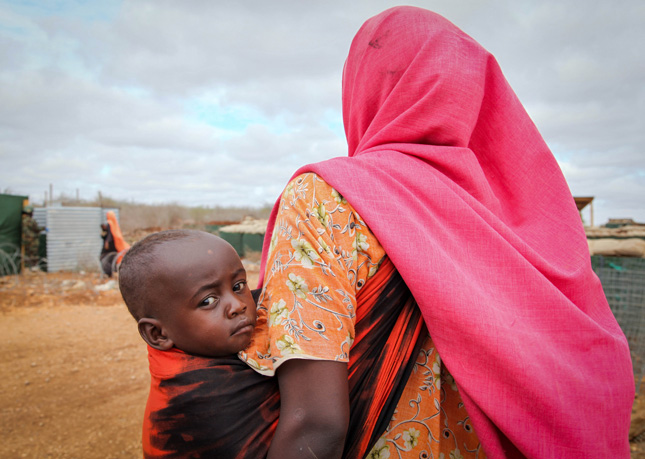
No Mother Left Behind: How Conflict Exacerbates the Global Maternal Health Challenge
›Since the end of World War II, the number of wars between states has declined significantly, but the number of intrastate civil conflicts – as seen in Syria and Afghanistan – has increased.
-
Chris Mooney, The Washington Post
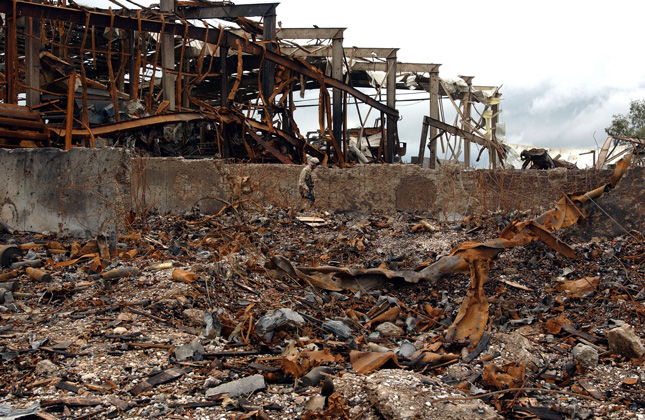
Mosul Battle Shows Link Between War and Environmental Degradation, Says UN Agency
›November 4, 2016 // By Wilson Center StaffThe United Nations Environment Program is highlighting the battle by Iraqi forces to reclaim Mosul from the Islamic State as the latest instance in the complex but very real linkage between military conflicts around the world and extreme environmental degradation.
-
Climate Change, the U.S. Military, and “the Intersection of Politics and Events”
›November 1, 2016 // By Schuyler NullThere may not have been a single question about climate change in the 2016 presidential debates, but it remains a hotly contested, partisan issue for many in the United States. That climate change is happening and requires a response is not up for debate within the upper echelons of the U.S. military, however.
-
Resolution 2250 and the Role of Young People in Building Global Peace and Security
›Since its adoption in December 2015, United Nations Security Council Resolution 2250 on youth, peace, and security has been hailed as the first of its kind to recognize young people as meaningful drivers of change through its explicit encouragement of youth leadership at all levels of conflict prevention and peacebuilding. “It’s a testament to the fact that global youth today can have a real meaningful impact on the big issues of today, in the big arenas where discussions are happening,” said Andy Rabens, a special advisor on global youth issues for the U.S. Department of State, at the Wilson Center on October 6.
Showing posts from category conflict.