

-
To Understand How Disasters Relate to Conflict and Peace, Reframe the Starting Point
›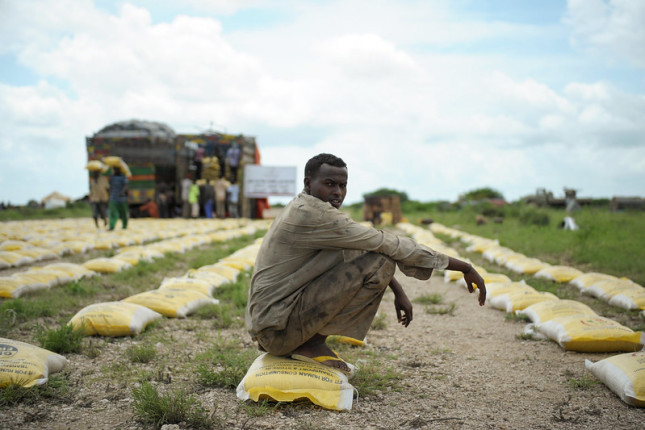
Is the world doomed to be ever-more tumultuous? For years, headlines have suggested that climate change causes or acts as a threat multiplier for violent conflicts. For example, climate change-influenced drought has been labeled a cause of the Syrian conflict and the war in Darfur. Natural hazard-related disasters (“disasters”) like earthquakes that are not related to climate change have also been connected to an increased risk of violent social conflict and political instability. The narratives are often that disasters displace people who then put pressure on already-strained resources and infrastructure in receiving areas, and that disaster-stricken people fight over limited resources in their struggle for survival.
-
Better Governance Needed to Overcome Africa’s Resource Curse
›
“Africa, as you all know, is one of the most resource-rich regions of the world,” said Cyril Obi, Program Director of the African Peacebuilding Network at the Social Science Research Council. “But many observers have noted that in spite of all this natural wealth, Africa seems to have quite a substantial proportion of its population living under poverty.” He spoke at a recent Wilson Center Africa Program event that examined the relationship between natural resources, sustainable development, and peace in Africa. How do you explain a continent rich with natural resources where so many people live in poverty, he asked.
-
Investing in Girls and Women Could Set Stage for Peace, Development in Sahel
›The coronavirus pandemic has people throughout the world pondering how humankind should respond to a public health crisis. While individual countries are managing the crisis with varying degrees of success, we can all agree that the Covid-19 pandemic is commanding the international community’s attention. By contrast, it is much harder to get the world to care about the long-term public health crisis unfolding in the West African Sahel.
-
Covid-19 and Conflict Zones: Prepare Now or Face Catastrophe
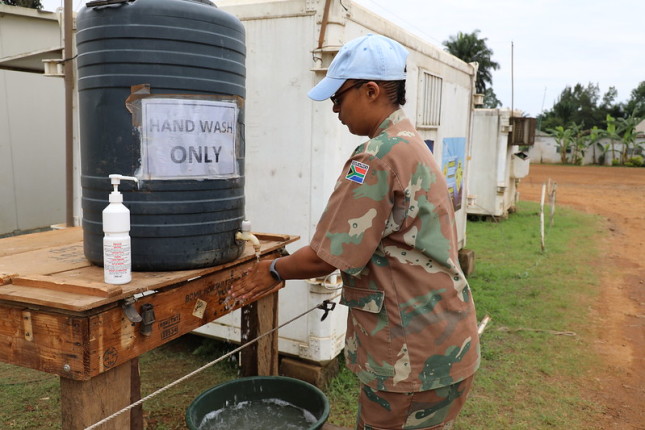
›As we have seen over recent weeks, the impact of Covid-19 has caused unprecedented disruption, deaths, and confusion in developed countries. The public health capacity of countries such as the United States and UK has been overwhelmed.
-
Chitra Nagarajan on What’s Changed for Women in Lake Chad Region
›“Women and men face very different risks and challenges,” said Chitra Nagarajan, a writer and journalist who covers climate change, conflict, and gender. She spoke in this week’s podcast about what’s changed in the Lake Chad region. In the last few years the combination of profound climate change and high levels of insecurity have made life harder for the local population. To get a sense of how recent changes have affected Lake Chad’s residents, Nagarajan interviewed more than 250 people. These are some of her findings. -
How Natural Resources Could Help Build Peace in Afghanistan
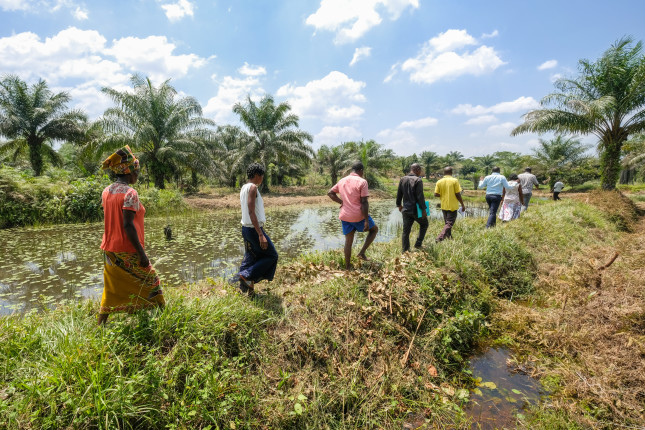
›Potential water wars due to plans for multiple dams, violent opium cartels supporting world heroin markets, and many conflict-financing minerals including everyday talc used for baby powder. These are the types of natural resources stories that usually make front page news about Afghanistan. But natural resources have a significant role to play in stabilizing Afghanistan. Instead of being a source of conflict, they may help with peacebuilding by creating livelihoods and creating opportunities for ex-combatants.
-
Are We Radically Underestimating the Effects of Climate on Armed Conflict?
›Climate change is widely recognized as a “threat multiplier.” From the United Nations to the G7 to the US Department of Defense, there is emerging consensus that climate change poses risks to both human and natural security through a variety of complex and interrelated channels. The extent of those risks, and how they connect to armed conflict, however, remain widely debated. -
Why Climate and Conflict Are Shaping the Crises of Our Time (And What To Do About It)
›Humanitarian need is increasing. Crises are becoming more complex through the interactions between climate change, disasters, and conflicts. Not only are humanitarian crises on the rise, but the nature of crises is changing, largely due to climate change-driven extremes such as floods, droughts and typhoons. Over 90 percent of disasters are believed to be related to climate.
Showing posts from category conflict.
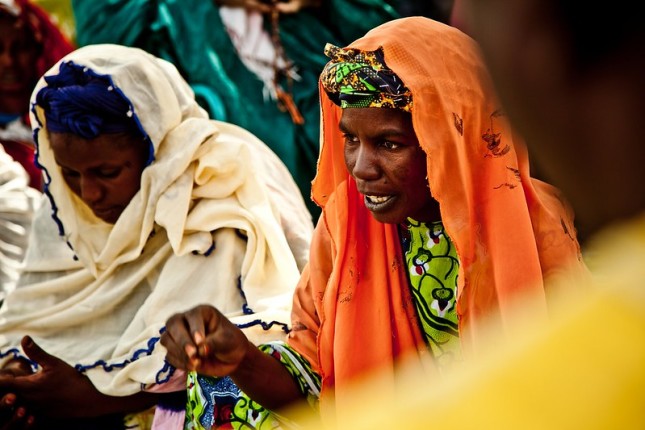
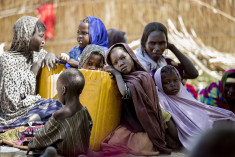 “Women and men face very different risks and challenges,” said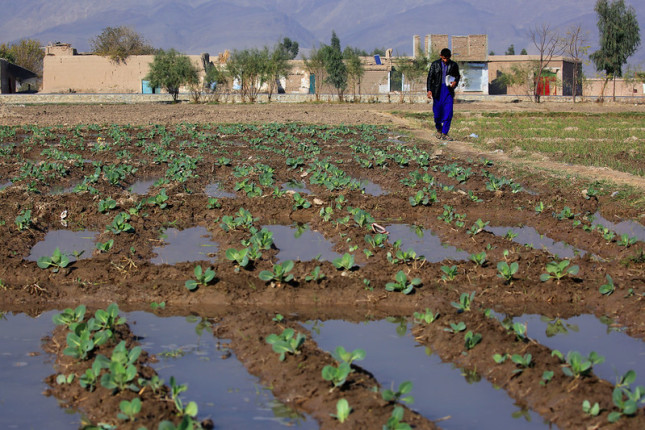
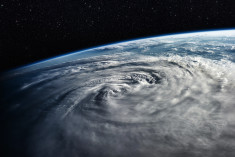 Climate change is widely recognized as a “threat multiplier.” From the
 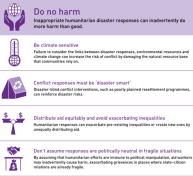 Humanitarian need is increasing. Crises are becoming more complex through the interactions between climate change, disasters, and conflicts. Not only are humanitarian crises on the rise, but the nature of crises is changing, largely due to climate change-driven extremes such as floods, droughts and typhoons. Over

