-
Local Environmental Governance to Reduce Conflict and Deforestation in Afghanistan
›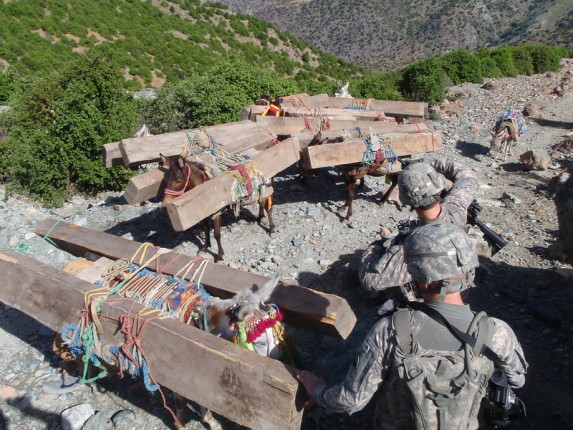
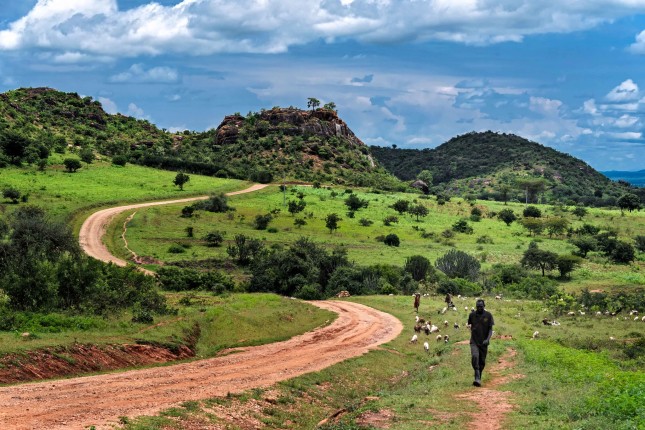
How should the international community support the stabilization of Afghanistan after U.S. and NATO troops withdraw? Answers from President Biden, high ranking U.S. administration officials, and lawmakers have focused on funding the Afghan military and police and remotely retaining U.S. lethal capacity. Development aid is mentioned only in the vaguest of terms. But as withdrawal plans solidify, peace and resilience against insurgencies urgently require the administration to shift the focus to development and include support for local environmental governance. Looking at how crucial forests are to Afghanistan’s local economy and governance systems, we sketch the resource-conflict links and propose possibilities for local, environmental governance that the international community could support to quell insurgency and build the political, economic, and environmental foundations for peace in the country.
-
From Rhetoric to Response: Addressing Climate Security with International Development
›
Over the past decade, our understanding of how climate change affects conflict and security has advanced considerably. Yet, how to best address the overlapping challenges of climate change, conflict, and human security remains an open question. In an article published in World Development, I address this topic by examining how climate security discourses inform development policy and, in turn, how the structures of development enable or constrain institutional capacity to address climate security. This research identifies not only the unique barriers the development sector must overcome, but also the ways in which the most common framings of climate change (i.e., as a threat multiplier) limit the scope for policy and programming.
-
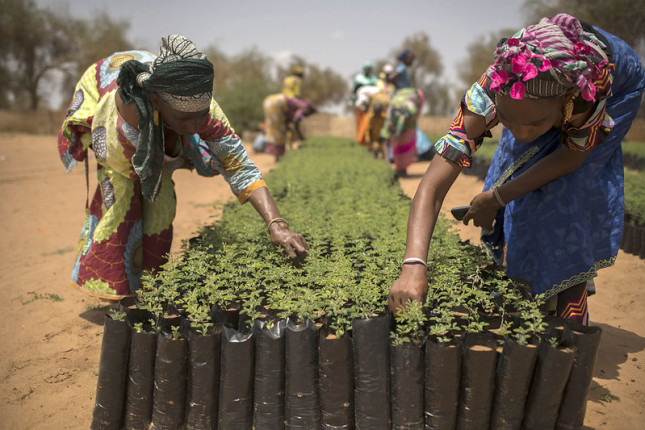
A Conflict Prevention Agenda Should Inform Climate Change Actions in Africa
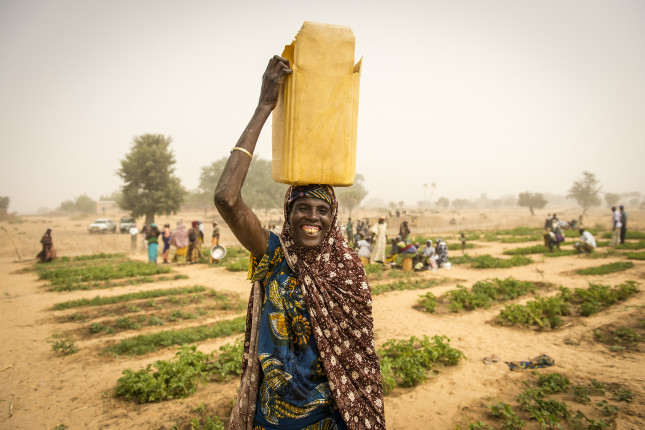
›In Africa, climate change and population expansion are increasing fragilities and vulnerabilities—including contributing to conflict dynamics—for many people who directly depend on nature. To cope with how their environment can no longer supply livelihood needs, people are migrating in search of security or economic stability. These factors interact with one another in ways that underline the need for inclusive conflict mitigation considerations in climate change action.
-
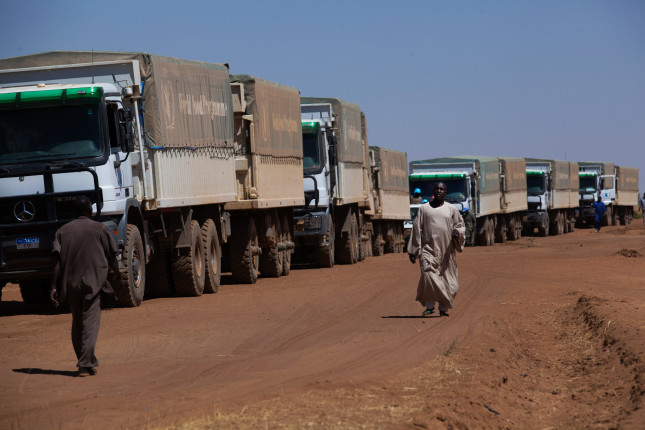
Climate Change, Armed Conflict and Humanitarian Organizations: Defining Their Role, Greening Their Response
›Humanitarian actors play a critical role in responding to climate-related crises, armed conflict, or a combination of both. Their response comes with an environmental cost. Humanitarian staff air travel, for instance, represents a significant source of carbon emissions and humanitarian logistics remain heavily dependent on fossil fuels. As the demand for humanitarian response climbs and countries increase their commitments to curb climate change, a question arises: Can humanitarian organizations mitigate their environmental impact and remain effective in responding to the consequences of armed conflict and climate impacts?
-
Feeding Peace
›The impact of conflict on food security is well documented. But does food security and feeding the hungry really contribute to peace, or is it an exaggeration? Some argue that food insecurity can contribute to political instability and renewed violence in conflict-affected environments. In contrast, others say that brokering peace is a complex process, determined by many variables. To explore this question, this blog describes the instrumentalization and weaponization of food insecurity in conflict, addresses the role of humanitarian interventions, and the key role of government in building lasting change.
-
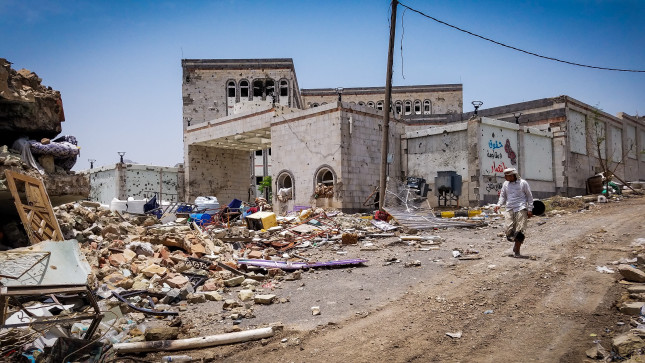
Towards Better Protecting the Environment in Armed Conflict
›Environmental dimensions of armed conflicts
Years of armed conflict have devastated Yemen’s environment, contributing to one of the worst humanitarian crises in the world. Attacks on water infrastructure cut off thousands of people from access to safe drinking water, exacerbating a cholera outbreak that has caused an estimated 4,000 deaths since April 2017. Fighting also damaged Yemen’s agricultural infrastructure, contributing to the food insecurity of an estimated 16.2 million people.
-
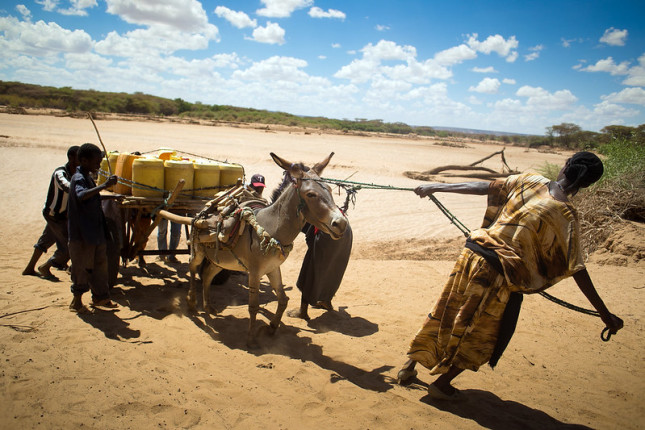
“Land is Now the Biggest Gun”: Climate Change, Conflict, and the Telling Case of Karamoja, Uganda
›Whether and how climate change drives conflict has driven considerable debate over the past decade. Yet understandings of climate-conflict remain general, and in many respects, unsettled. A recent assessment of potential future directions for climate-conflict research highlights the need to go beyond generalities and deepen insight into the contextual mechanisms that link climate change to conflict. That type of knowledge requires in-depth studies that trace climate-conflict dynamics in particular places and times. In an article recently published in Climate and Development, I examine how climate change alters conflict outcomes and vulnerability in Karamoja, Uganda. The case offers direct insight into both why the climate-conflict relationship can be so difficult to interpret and also the need to broaden conceptualizations of the climate-conflict relationship.
-
Developing a Shared Narrative on Climate Change, Fragility, and Peacebuilding
›“Addressing the link between climate, conflict, and environment is a critical piece of the new USG framework for addressing fragility, and, as the Biden administration scales up its efforts to center climate change in its foreign policy and national security agendas, it’s going to be essential to consider the linkages between climate action and opportunities to build peace,” said Joe Hewitt, Vice President at the U.S. Institute of Peace during a recent event co-hosted by the Wilson Center and the U.S. Institute of Peace on the importance of integrating climate change responses, conflict prevention efforts, and peacebuilding.
Showing posts from category conflict.