-
Relief, Recovery, and Peace: David Nicholson on COP28’s New Theme
› In a new mini-series previewing the upcoming UN Climate Summit (COP28)’s new focus on relief, recovery, & peace, ECSP Program Director Lauren Risi spoke with David Nicholson, Director of the Environment, Energy and Climate Change Technical Support Unit at Mercy Corps.
Nicholson described his role in ensuring that climate change is at the center of Mercy Corps’ wide-ranging and successful global humanitarian aid programs in 42 countries—and the importance of having local staff to make interventions a true partnership. He also talks about climate finance, and his hopes that COP28’s theme of “relief, recovery and peace” will advance the view that peacemaking is essential to adaptation efforts.
-
Relief, Recovery, and Peace: Iris Ferguson on COP28’s New Theme
›In a new mini-series previewing the upcoming UN Climate Summit (COP28)’s new focus on relief, recovery, & peace, ECSP Program Director Lauren Risi spoke with Iris Ferguson, the US Department of Defense’s Deputy Assistant Secretary of Defense for Arctic and Global Resilience.Deputy Assistant Secretary Ferguson spoke about why climate security has become a crucial element in DOD planning, as well as why the department will have a highly visible presence at COP28. She also shared the story of her own path to leadership at the Pentagon – as well as why her position includes both global resilience and the Arctic.
-
Recognizing the International Day for Preventing the Exploitation of the Environment in War and Armed Conflict
›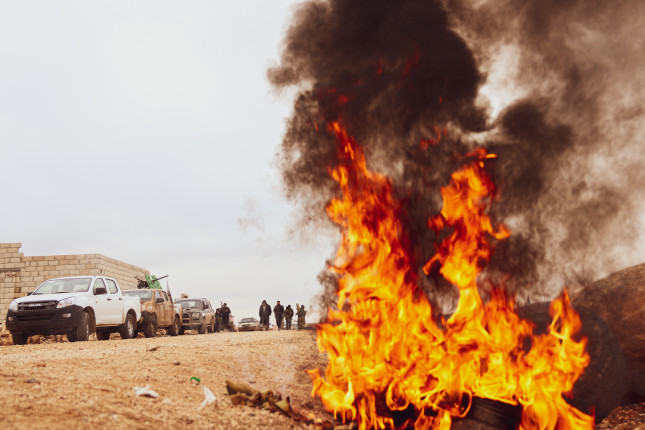
In 2001, the UN General Assembly declared November 6 the International Day for Preventing the Exploitation of the Environment in War and Armed Conflict. In the 22 years since, both the impact of the exploitation of the environment during war—and the centrality of natural resources in establishing peace—have gained greater global recognition.
-
ECSP Weekly Watch | October 16 – 20
›A window into what we are reading at the Wilson Center’s Environmental Change and Security ProgramWater Security Concerns in Gaza
Hamas’ surprise attack on Israel on October 7th led the Israeli government to cut off water supplies to the Gaza Strip with immediate effect. This has resulted in a clean water crisis that the UN warns is now a matter of life and death.
-
ECSP Weekly Watch | October 9 – 13
›A window into what we are reading at the Wilson Center’s Environmental Change and Security Program
Organizing Regional Action on Climate Change, Health, and Environment
As the 2030 deadline for the Sustainable Development Goals looms, the World Health Organization has proposed a new regional framework that aims to build climate-resilient and sustainable health systems, improve the health sector’s access to climate funding, and build an evidence base for policymaking.
-
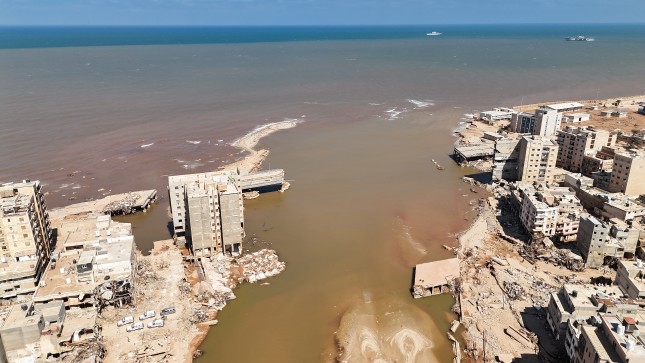
From Floods To Disaster: A Conflict- And Climate-Sensitive Recovery Pathway For Libya
›More than 11,300 people are confirmed to have died in the floods that struck eastern Libya on September 11, 2023, far surpassing many estimates of the death toll in the country’s 2011 civil war. Thousands are still missing. Flooding has washed away approximately 25% of the city of Derna, and damage to roads and bridges is curtailing emergency service access. A rapid attribution study estimated that the extreme rain was at least a “1-in-300 year event.” This is far beyond previously recorded incidents, yet such incidents are now up to 50 times more likely—and up to 50% more intense—when compared to a 1.2°C cooler climate.
-
ECSP Weekly Watch | October 2 – 6
›A window into what we are reading at the Wilson Center’s Environmental Change and Security Program
A Warming World is Accelerating the Spread of Dengue
Dengue is now endemic in most Latin American countries. But scientists warn that a warming climate is increasing the pace of breeding and transmission of dengue-carrying mosquitoes, and bring them into new countries.
-
New Journal | Q&A with Environment and Security’s Editorial Team
›Environment and Security is a new journal published by the Environmental Peacebuilding Association and SAGE Publishing. The journal represents the evolution of a field of study that began in earnest in the 1990s and has emerged today—in an era increasingly defined by climate change—as an issue area of paramount importance. ECSP spoke with the journal’s editorial team about what sparked its launch and what readers can expect.
Showing posts from category conflict.
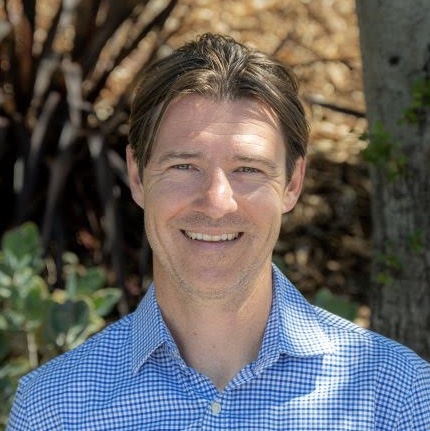 In a new mini-series previewing the upcoming UN Climate Summit (COP28)’s new focus on relief, recovery, & peace, ECSP Program Director Lauren Risi spoke with David Nicholson, Director of the Environment, Energy and Climate Change Technical Support Unit at Mercy Corps.
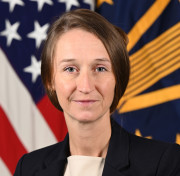 In a new mini-series previewing the upcoming UN Climate Summit (COP28)’s new focus on relief, recovery, & peace, ECSP Program Director Lauren Risi spoke with Iris Ferguson, the US Department of Defense’s Deputy Assistant Secretary of Defense for Arctic and Global Resilience.