• woodrow wilson center
  • ecsp

New Security Beat

Subscribe:
  • rss
  • mail-to
  • Who We Are
  • Topics
    • Population
    • Environment
    • Security
    • Health
    • Development
  • Columns
    • China Environment Forum
    • Choke Point
    • Dot-Mom
    • Friday Podcasts
    • Navigating the Poles
    • Reading Radar
  • Multimedia
    • Water Stories (Podcast Series)
    • Backdraft (Podcast Series)
    • Tracking the Energy Titans (Interactive)
  • Films
    • Water, Conflict, and Peacebuilding (Animated Short)
    • Paving the Way (Ethiopia)
    • Broken Landscape (India)
    • Scaling the Mountain (Nepal)
    • Healthy People, Healthy Environment (Tanzania)
  • Publications
  • Events
  • Contact Us

NewSecurityBeat

The blog of the Wilson Center's Environmental Change and Security Program
Showing posts from category community-based.
  • In Afghanistan, Women’s Health May Be Marker for Taliban Resurgence [Part Two]

    ›
    Dot-Mom  //  From the Wilson Center  //  July 26, 2013  //  By Swara Salih
    Afghanistan Beyond the Headlines Part 2

    “Afghanistan Beyond the Headlines” was a half-day event at the Wilson Center on the country’s unique demography, the plight of women and girls, and prospects for the future. Read part one here.

    Afghanistan’s youth, including more than seven million girls currently in school, are leading the call for new leadership, but many Afghans fear the chilling effect of a resurgent Taliban, said panelists at the Wilson Center during the second half of “Afghanistan Beyond the Headlines.” As the United States prepares to withdraw its forces over the next year, a halt in the country’s progress on women’s health may be the first sign of backsliding on many of the gains made over the last decade. [Video Below]

    MORE
  • Margarita Mora, Human Nature

    Peruvian Farmers Change Attitudes Toward Forest Protection

    ›
    Beat on the Ground  //  July 23, 2013  //  By Wilson Center Staff

    The original version of this article, by Margarita Mora, appeared on Conservation International’s Human Nature blog.

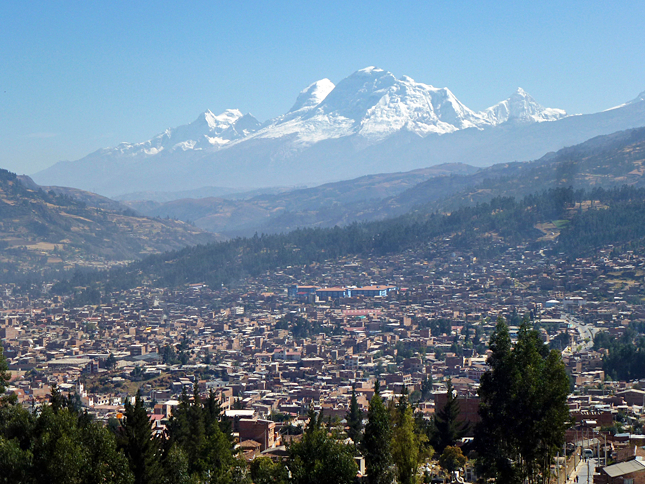
    I first visited Peru’s Alto Mayo Protected Forest in 2008. At the time, deforestation rates there were among the highest in the country. CI-Peru wanted to find a way to help communities and Peru’s National Service of Natural Protected Areas (SERNANP) keep their trees standing.

    MORE
  • From Ethiopia to Egypt, Girls’ Education Programs Combat Child Marriage

    ›
    Dot-Mom  //  From the Wilson Center  //  July 22, 2013  //  By Swara Salih
    Child brides in Darfur

    According to the UN Population Fund, more than 140 million girls will become child brides between 2011 and 2020 – an estimated 14.2 million young girls marrying too young every year or 39,000 daily. The majority of these girls do not receive access to education or reproductive health services. [Video Below]

    MORE
  • Harmony in the Forest: Improving Lives and the Environment in Southeast Asia

    ›
    From the Wilson Center  //  July 3, 2013  //  By Swara Salih
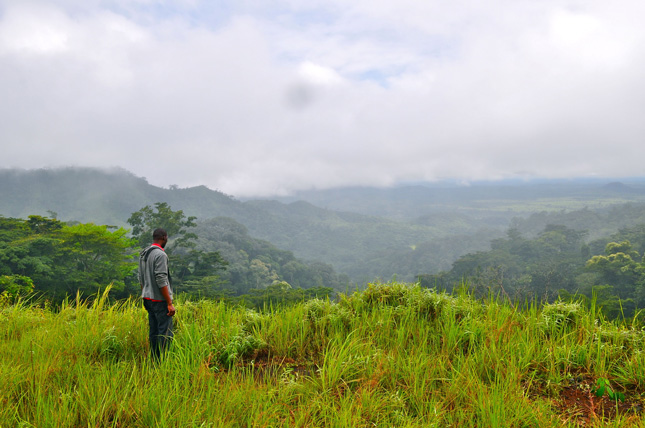
    Coffee farmer in Papua New Guinea participating in the Tree Kangaroo Conservation Project

    How can NGOs and civil society promote environmental protection and improve people’s health and livelihoods in remote tropical forests? Two NGOs with innovative programs in Indonesia and Papua New Guinea spoke at the Wilson Center on May 30 about their efforts to simultaneously tackle these issues and highlight their intricate relationship. 

    MORE
  • Dale Lewis on Combating Poaching in Zambia’s Luangwa Valley Through Integrated Development

    ›
    June 28, 2013  //  By Jacob Glass

    “We did something very special for the community and the resources these farmers live with. We sat down with local leaders and promised to stop spending so much time caring about the elephants, and instead create a company that will try to address community needs,” said Dale Lewis in an interview at the Wilson Center. “The deal was they had to put down their snares and guns.”

    MORE
  • Lisa Dabek on How Papua New Guinea’s Tree Kangaroo Conservation Project Does More Than Conserve

    ›
    Friday Podcasts  //  June 14, 2013  //  By Schuyler Null

    “All through Papua New Guinea, in every province, there is logging and mining, but we are the first conservation area,” says Lisa Dabek in this week’s podcast.

    Dabek is the director of the Tree Kangaroo Conservation Project (TKCP), an effort of the Seattle Woodland Park Zoo that works to protect tree kangaroos while empowering communities in Papua New Guinea’s YUS Conservation Area to manage their natural resources, health care, and food security.

    MORE
  • Is Resilience Too Accurate to Be Useful?

    ›
    Guest Contributor  //  June 6, 2013  //  By Phil Vernon

    ‘Toward Resilience’ is a series on the meaning of global resilience and vulnerability today. The original version of this article appeared on International Alert.

    Resilience is a wonderful metaphor. It somehow conveys in a single word the qualities of bending without breaking, of healing after an injury, of tensile rather than brittle strength. Oak and palm trees are resilient to the power of strong winds, before which they bend and then straighten again. Resilient people pick themselves up after being knocked down, draw on their reserves of ideas and strength to deal with difficult challenges, or hunker down until the gale has blown itself away. Resilient economies bounce back, and resilient ecosystems restore themselves after the fire or the flood has passed.

    MORE
  • Midwives, the Frontline and Backbone of Maternal Health, Face Insecure Working Environments

    ›
    Dot-Mom  //  May 30, 2013  //  By Sandeep Bathala

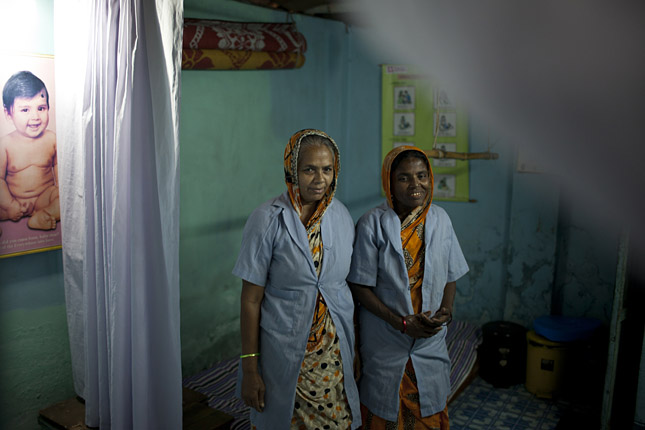
    Midwives play a critical but unheralded role in maternal health. Their skills are sometimes marginalized in otherwise well-meaning discussions about professionalizing care, or even worse, they are subject to abuse, as was discussed at the Wilson Center earlier this month. So when I found the room overflowing at a Women Deliver panel yesterday on the disempowerment of midwives and how much it undermines global efforts to increase access to care, I took that as a good sign that midwives will not be overlooked much longer.

    MORE
Newer Posts   Older Posts
View full site

Join the Conversation

  • RSS
  • subscribe
  • facebook
  • G+
  • twitter
  • iTunes
  • podomatic
  • youtube
Tweets by NewSecurityBeat

Trending Stories

  • unfccclogo1
  • Pop at COP: Population and Family Planning at the UN Climate Negotiations

Featured Media

Backdraft Podcast

play Backdraft
Podcasts

More »

What You're Saying

  • Volunteers,At,The,Lagos,Food,Bank,Initiative,Outreach,To,Ikotun, Pan-African Response to COVID-19: New Forms of Environmental Peacebuilding Emerge
    Rashida Salifu: Great piece 👍🏾 Africa as a continent has suffered this unfortunate pandemic.But it has also...
  • A desert road near Kuqa An Unholy Trinity: Xinjiang’s Unhealthy Relationship With Coal, Water, and the Quest for Development
    Ismail: It is more historically accurate to refer to Xinjiang as East Turkistan.
  • shutterstock_1779654803 Leverage COVID-19 Data Collection Networks for Environmental Peacebuilding
    Carsten Pran: Thanks for reading! It will be interesting to see how society adapts to droves of new information in...

What We’re Reading

  • Rising rates of food instability in Latin America threaten women and Venezuelan migrants
  • Treetop sensors help Indonesia eavesdrop on forests to cut logging
  • 'Seat at the table': Women's land rights seen as key to climate fight
  • A Surprise in Africa: Air Pollution Falls as Economies Rise
  • Himalayan glacier disaster highlights climate change risks
More »
  • woodrow
  • ecsp
  • RSS Feed
  • YouTube
  • Twitter
  • Facebook
  • Home
  • Who We Are
  • Publications
  • Events
  • Wilson Center
  • Contact Us
  • Print Friendly Page

© Copyright 2007-2021. Environmental Change and Security Program.

Woodrow Wilson International Center for Scholars. All rights reserved.

Developed by Vico Rock Media

Environmental Change and Security Program

Woodrow Wilson International Center for Scholars

Ronald Reagan Building and International Trade Center

  • One Woodrow Wilson Plaza
  • 1300 Pennsylvania Ave., NW
  • Washington, DC 20004-3027

T 202-691-4000