-
Women and Cancer in India
›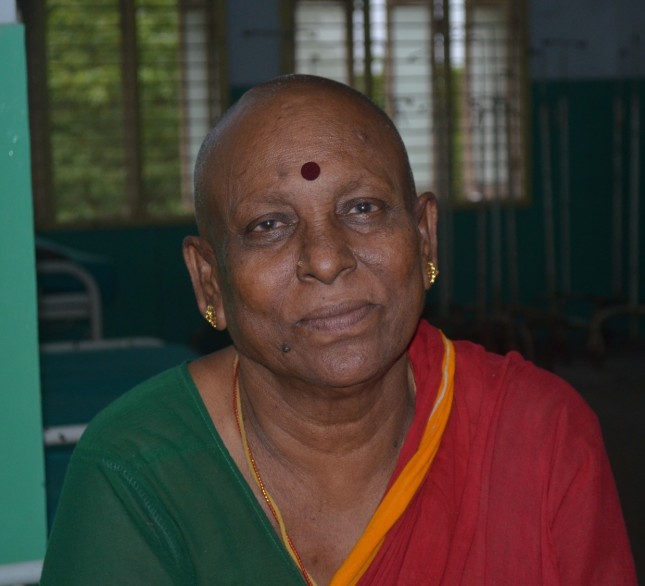
As India faces an emerging cancer crisis, how do South Indian women conceptualize what causes reproductive cancers—and how to cure them? New qualitative research from Cecilia Van Hollen, a medical anthropologist and Wilson Center Public Policy Fellow, illuminates the complex perceptions and personal experiences of women in Tamil Nadu, the first state to integrate cancer screening into its primary health care system.
-
As Afghanistan’s Water Crisis Escalates, More Effective Water Governance Could Bolster Regional Stability
›
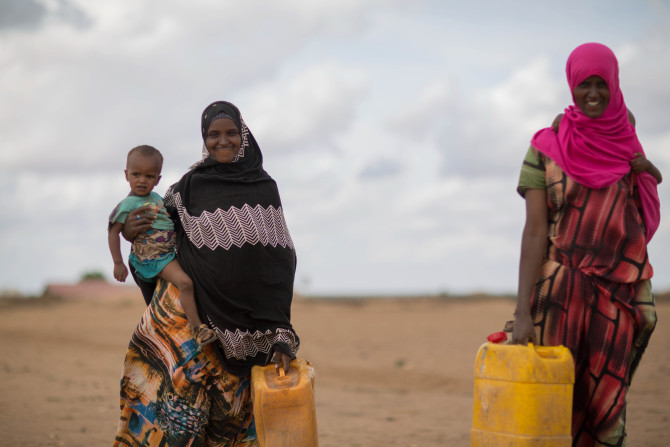
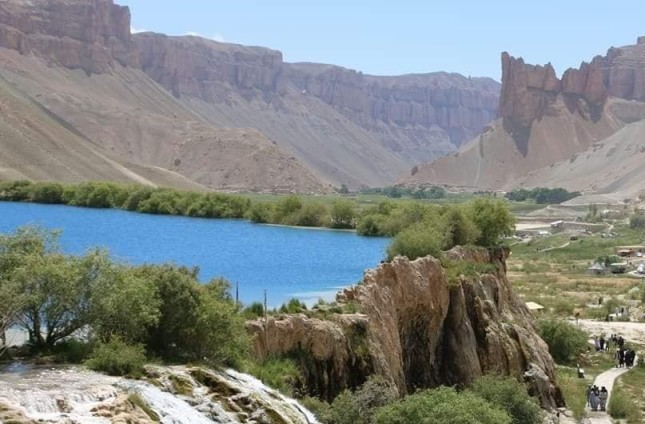
“Kabul be zar basha be barf ne!” This ancient proverb—“May Kabul be without gold rather than snow”—refers to snowmelt from the Hindu Kush Mountains, a primary source of Afghanistan’s water supply. To recover from years of armed conflict, Afghanistan needs a stable water supply, but its sources are increasingly stressed by severe droughts. The Norwegian Refugee Council estimates that today, 2 out of 3 provinces are impacted by drought, putting two million people at risk of hunger. Improving the country’s water governance—the social, legal, and administrative systems that guide how water is distributed and used—may help it avoid both internal and regional conflicts by stabilizing its economy and its citizens’ livelihoods.
-
This Indian Women’s Union Invented a Flexible Childcare Model
›In 1971, the wives of textile workers in Ahmedabad, western India, became the main earners in their families overnight, after several large textile mills closed down. They were part of the 94 percent of India’s female labor force working in the informal sector—recycling waste, embroidering fabric, and selling vegetables—and thus they remained largely invisible to the government and to formal labor unions. In response, Ela Bhatt, a young lawyer, met with 100 of the women in a public park to establish the Self-Employed Women’s Association (SEWA), which would later register as a trade union and swell to the two million members it boasts today. -
Energy Innovation in Remote Arctic Communities
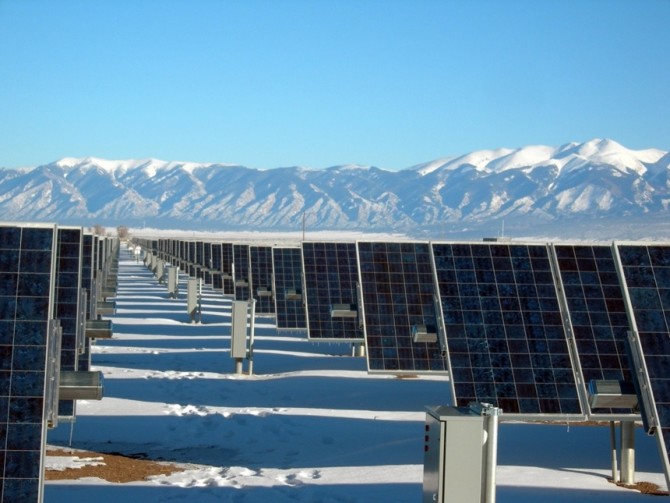
›Without connections to wider electrical grids, communities in the remote, rural Arctic depend on diesel generators for power—which makes electricity “ten times more expensive” than in the rest of Canada or the United States, said Martha Lenio of the World Wildlife Fund-Canada Arctic Team during a recent Wilson Center Ground Truth Briefing. In addition, spilled diesel “can harm wildlife, impact food and water security, and compromise permafrost integrity,” said Lenio. These challenges have led some communities in the Arctic to seek cheaper, safer, and more innovative energy solutions, said panelists during the briefing organized by the Wilson Center’s Polar Initiative and Canada Institute.
-
A More Resilient World: The Role of Population and Family Planning in Sustainable Development
›“Community mobilization, local capacity-building, and innovation are the cornerstones of successful development. And that for us includes resilience,” said Franklin Moore, Africare’s Chief of Programs, at a Wilson Center event on family planning and sustainable development. As rapid population growth intersects with challenges like food insecurity and water scarcity, communities in developing countries need not only the capacity to absorb short-term shocks, they also need transformative capacity to address long-term challenges.
-
How Family Planning Can Help Save Cheetahs
›Conservationists and development practitioners may not have always seen eye to eye, but a new partnership between a cheetah conservation charity and a network of reproductive health NGOs is making the case for why these groups need to work more closely together.
-
Urban Risk or Resilience? Opportunities for Improving Informal Settlements in Urban Africa
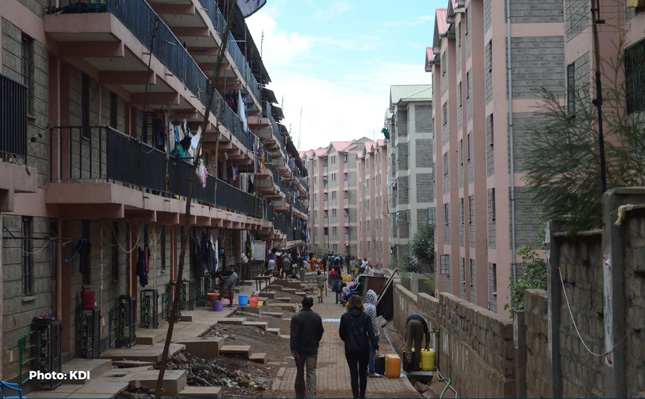
›“Most risk in African cities is not catastrophic. It’s not even episodic, but it is every day,” said Mark Pelling, a professor at King’s College, London, at a recent event on urban risk and resilience in sub-Saharan Africa. With rates of rural-to-urban migration reaching record highs, more than half of the urban residents in sub-Saharan Africa live in informal settlements, where they lack basic infrastructure and access to critical resources. Integrated projects like Pelling’s Urban ARK seek to build more resilient communities in cities and informal settlements. “African cities are dynamic and are growing,” said Pelling—but so is the vulnerability of their residents to environmental change, natural disasters, and conflict.
-
From Communities to Landscapes: Multi-Scale Approaches to Climate Adaptation in Nepal
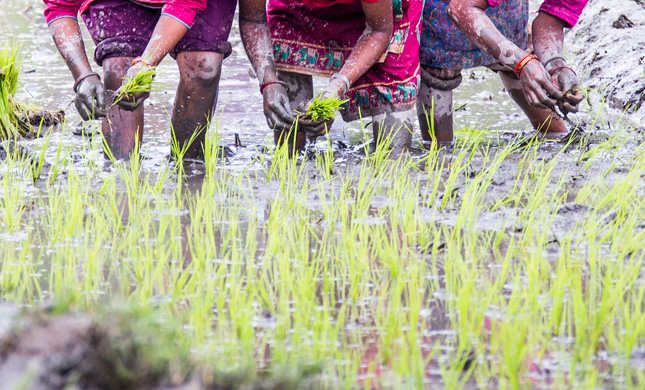
›“Some people are more vulnerable than others” to climate change, said Judy Oglethorpe, senior director of Multilateral Program Development of the World Wildlife Fund-US (WWF) at a recent event on climate change, biodiversity, and livelihoods. Oglethorpe is the chief of party for the Hariyo Ban (Green Forests) Program, which seeks to increase ecological and community resilience to climate change in two biodiverse landscapes in Nepal. Taking a “multi-scale approach let[s] us focus on the most vulnerable people,” said Oglethorpe, and “work at different scales and across different disciplines…to reduce people’s vulnerability.”
Showing posts from category community-based.
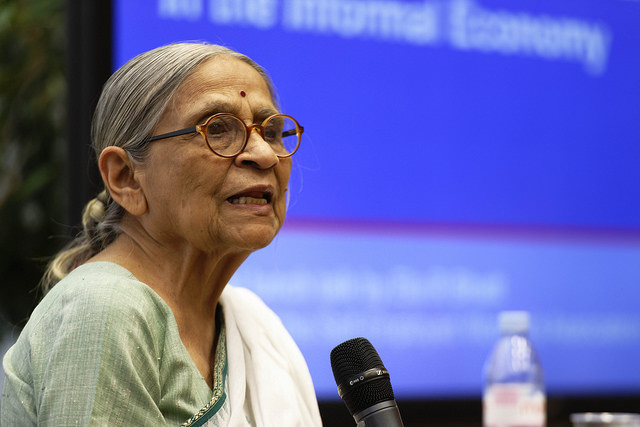 In 1971, the wives of textile workers in Ahmedabad, western India, became the main earners in their families overnight, after several large textile mills closed down. They were part of the 94 percent of India’s female labor force working in the informal sector—recycling waste, embroidering fabric, and selling vegetables—and thus they remained largely invisible to the government and to formal labor unions. In response, Ela Bhatt, a young lawyer, met with 100 of the women in a public park to establish the Self-Employed Women’s Association (SEWA), which would later register as a trade union and swell to the two million members it boasts today.