-
By, for, and of the People: How Citizen Science Enhances Water Security
›
In the Peruvian Andes, where cropland is irrigated and water availability is variable at best, knowledge of highland hydrology is crucial to survival. However, until recently, the locals did not have adequate information to be able to use their water efficiently. So the community worked with a nonprofit to develop a non-specialist/non-researcher run data-gathering project to monitor the water in the region to optimize its use: in short, they developed a citizen science project.
-
Gordon Mumbo on Water and Livelihoods in the Mara River Basin
›Friday Podcasts // Water Security for a Resilient World // Water Stories (Podcast Series) // November 15, 2019 // By Benjamin Dills This article is part of ECSP’s Water Security for a Resilient World series, a partnership with USAID’s Sustainable Water Partnership and Winrock International to share stories about global water security.
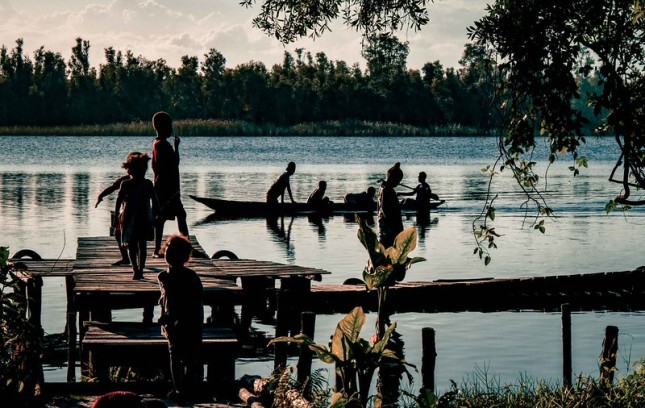
“If you live in the developed world or in some urban centers, then the supply of water is guaranteed,” said Gordon Mumbo, team leader for Sustainable Water for the Mara River Basin, a project of Winrock International and USAID’s Sustainable Water Partnership, in this week’s Water Stories podcast. When you wake up, you expect water to flow from your tap. “If you don’t find it flowing, you get upset and will probably call the utility company.” But people living in the Mara River Basin don’t have that luxury. “They have to walk to the river to get water and bring it home,” said Mumbo.
-
Climate Change, Conflict, and Peacebuilding in Solomon Island Communities
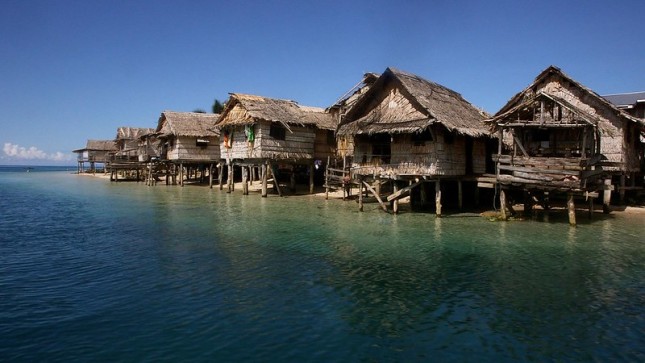
›Meaningful engagement with the social and conflict implications of climate change in Solomon Islands must be firmly grounded within local worldviews—within Solomon Islanders’ physical, economic, political, and social and spiritual worlds. As we note in a recent policy brief for the Toda Peace Institute, when addressing conflict challenges exacerbated or caused by climate change, approaches should be draw upon community understandings of what constitutes peace and justice.
-
How Soap Operas Can Help Communities Adapt to Climate Change
›When thinking seriously about a world increasingly afflicted by climate change, radio and television soap operas are not the first things that leap to mind. But for countries likely to suffer the most from climate change, popular serial dramas can play a critical role in helping vulnerable populations adapt to the looming challenges.
-
Democracy Under Assault: Guatemala Attempts to Silence Eco-populists
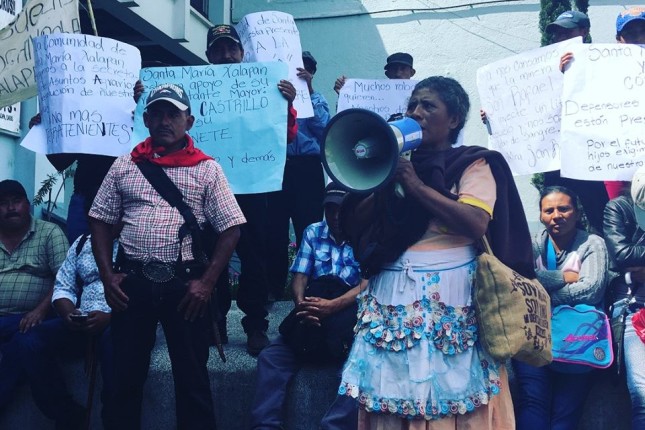
›While the U.S. has been fixated on President Trump’s contentious border wall project, another more ominous threat facing Guatemalans is building internally. In a swift reversal, many politicians and scholars who have previously argued for directing increased U.S. aid to communities in Central America’s Northern Triangle—Guatemala, El Salvador, and Honduras—as a humanitarian alternative to the border wall, are now calling on Congress to suspend some forms of aid to Guatemala, which they now see as the more humane option.
-
Innovative Approaches Empower Adolescent Girls to Live HIV-free Lives
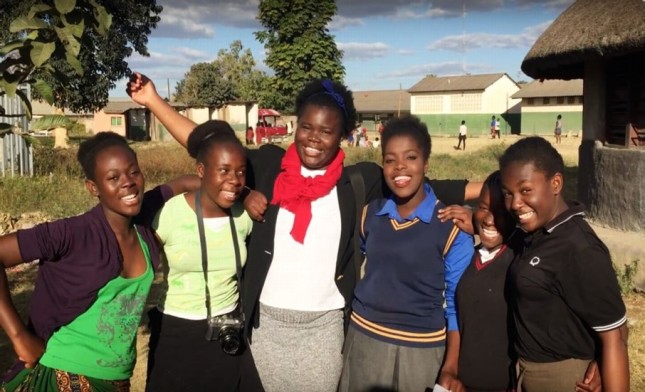
›“Everyone in the community knew that I was the next [to get pregnant], but I was so determined that until I achieve my dream of becoming an accountant, I will not drop out of school, and I will not get pregnant,” said Rebecca Acio, a 19-year-old Ambassador for the Strengthening School-Community Accountability for Girls’ Education (SAGE) DREAMS Project, Uganda. She spoke at a recent Wilson Center event on emerging lessons from the DREAMS Innovation Challenge. As a peer educator at her school in Lira, Uganda, and a temporary dropout herself, Acio “knew what it cost to be a dropout” and worked to identify other at-risk girls to encourage them to stay in school.
-
Women Are the Secret Weapon for Better Water Management
›December 11, 2018 // By Wilson Center StaffIn the 1980s, the government of Malawi began providing piped water to low-income households in 50 districts, establishing community-run tap committees to collect bills and manage systems. Men made up 90 percent of committee memberships—and problems quickly became apparent.
-
Resilient Cities Need to Support the Informal Economy: Millions of Overlooked Working Poor
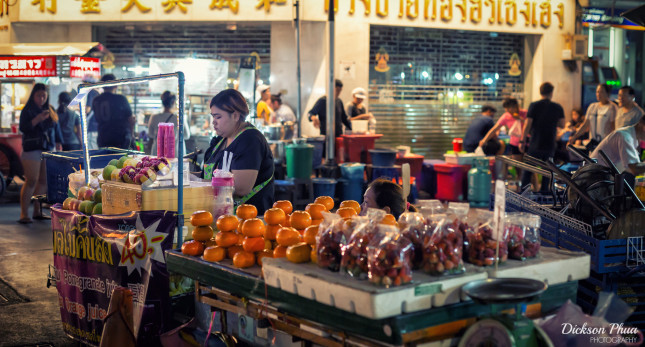
›For this World Cities Day, the UN’s theme calls for “building sustainable and resilient cities.” Cities across the Global South are assessing their physical preparedness against future shocks. Can cities that leave out—or often push out—poor workers claim resiliency? These moves are, in fact, weakening any preparedness. The foundations of truly sustainable and resilient cities lie in their residents’ abilities and agency.
Showing posts from category community-based.
 This article is part of ECSP’s