-
Ruth Greenspan Bell, The Daily Climate
Who Wins, Who Loses? Why We Need to Ask the Hard Questions on a Carbon Tax
›July 21, 2016 // By Wilson Center Staff
As bad news continues to roll in regarding the accelerating impacts of greenhouse gases accumulating in the atmosphere, there is increasing discussion about imposing a carbon tax. Economists across the political spectrum support it, from Irwin Seltzer’s camp that remains “uncertain as to whether there is a global warming phenomenon” to William Nordhaus, who unequivocally views climate change as a threat.
-
Inside a Data-Driven Attempt to Fight Spoilage in U.S. Food Aid
›
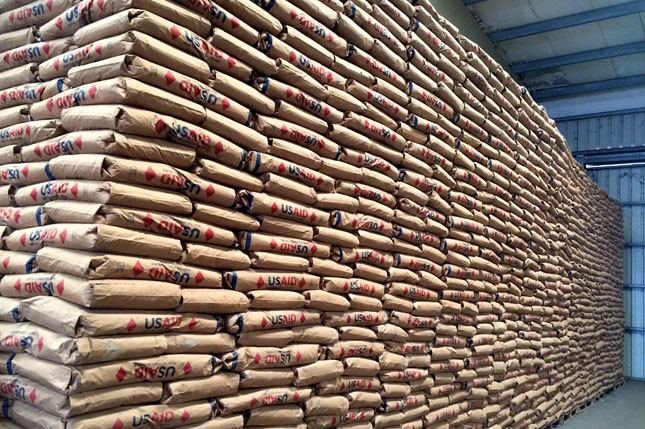
Today, as El Niño-related droughts impact communities across East and Southern Africa, food aid shipment and distribution networks have shifted into high gear. From the U.S. Agency for International Development to the United Nations World Food Program and NGOs like CARE and Save the Children, food aid providers are stocking port warehouses in Djibouti and South Africa, as well as inland warehouses in countries like Ethiopia, Zimbabwe, and Lesotho.
-
Family Planning and Environmental Sustainability: Assessing the Evidence
›“There are truly global-scale environmental challenges, and they need to be dealt with by thinking of solutions at the same scale,” said Thomas Lovejoy, a senior fellow at the United Nations Foundation, at the Wilson Center on June 29. The interaction between human population and environmental degradation is one of these challenges. [Video Below]
-
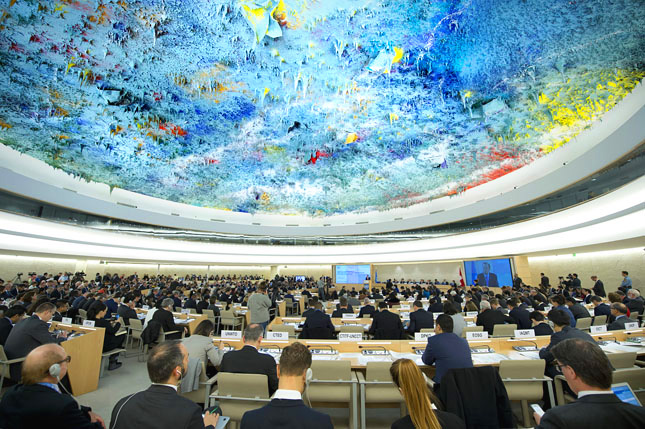
Human Rights and the Environment: How Do We Do Better?
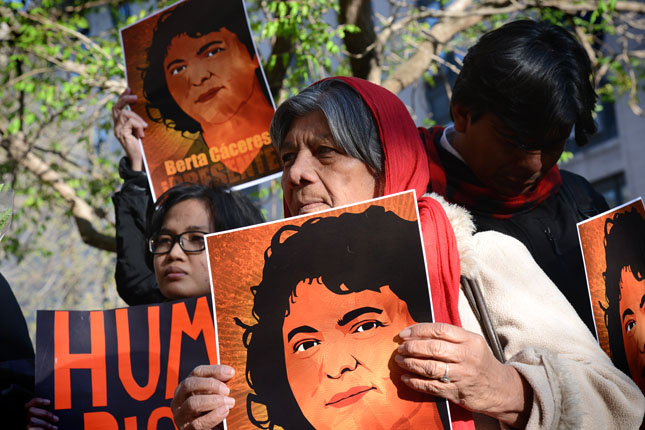
›2015 was a deadly year for environmental activism. According to Global Witness, 185 activists were killed, a 60 percent increase from 2014. Of the victims, 40 percent were indigenous people, like Berta Cáceres, who spoke at the Wilson Center last year and was shot and killed in her home in Honduras this March. [Video Below]
-
HoPE for Sustainable Development: Results From an Integrated Approach in East Africa
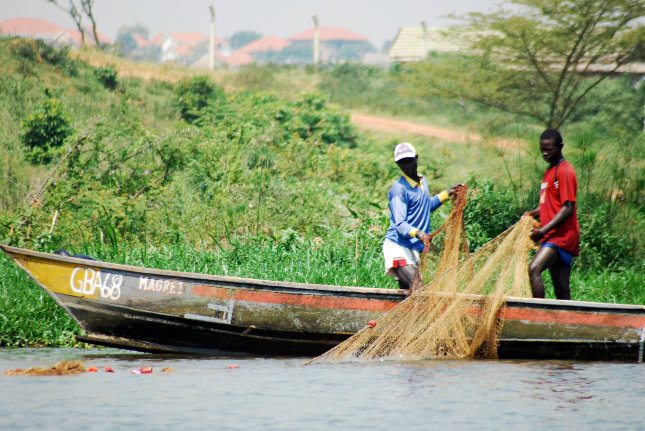
›The Sustainable Development Goals (SDGs) are an ambitious framework for reducing poverty and improving the lives of billions of people. They were agreed to last year by governments at the United Nations and cover developing and developed countries alike. But how will governments, NGOs, and other organizations go about actually accomplishing them over the next 15 years? [Video Below]
-
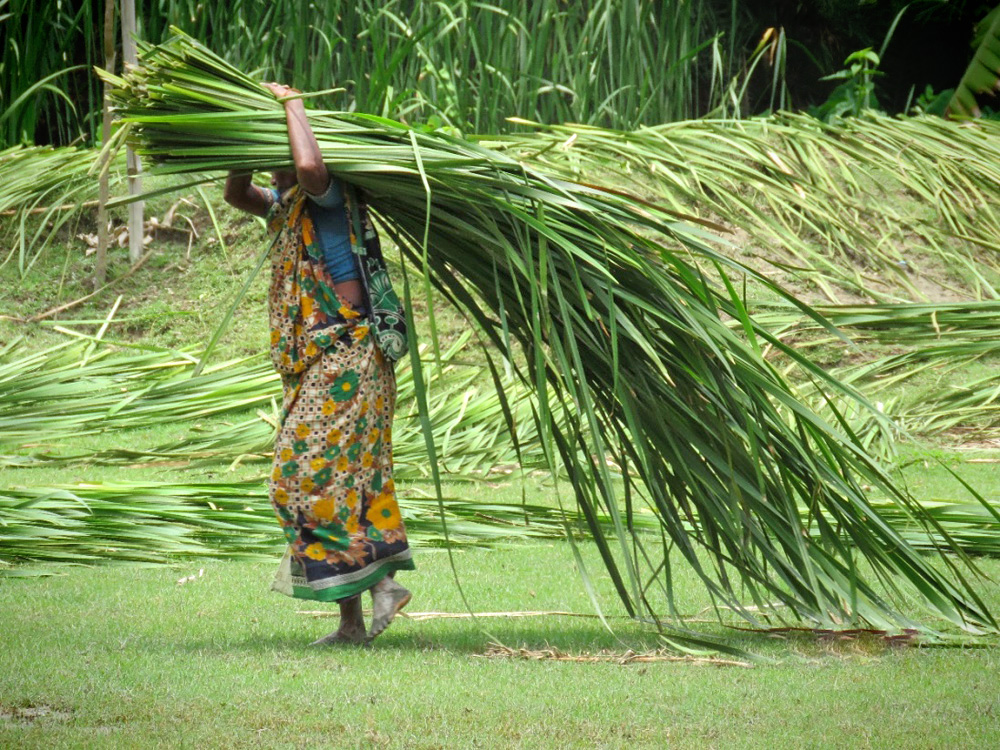
Finding Resilience in the Aftermath of Cyclone Roanu in Bangladesh
›In 1970, Cyclone Bhola slammed into East Pakistan – present day Bangladesh – with sustained winds of 150 miles per hour, killing as many as half a million people. In 2007, Cyclone Sidr killed 3,406 people in Bangladesh. This year, Cyclone Roanu killed just 30. What’s behind this huge decline in mortality? What has Bangladesh done differently?
-
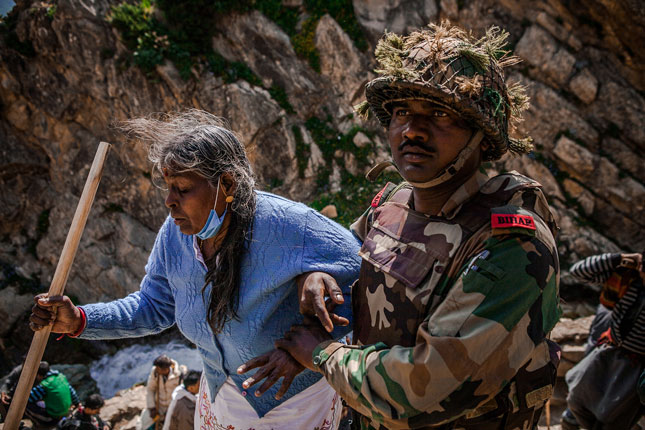
Military Leaders Urge South Asian Countries to Put Aside Animosities in Face of Common Climate Threat
›July 6, 2016 // By Sreya PanugantiDespite a long history of confrontation and simmering tensions, three senior retired military leaders from Pakistan, Bangladesh, and India urge the nations of South Asia to unite around a common rising threat in a new report.
-
Climate Policy vs. Climate Ethics? A Debate on Justice and Our Global Future
›As the international community looks to the Paris climate agreement and beyond, a key question emerges: Will strong ethical arguments or pragmatic national interest lead to a safe and sustainable future? Can these two perspectives coexist? [Video Below]
Showing posts from category climate change.