

-
The Melting Arctic Could Spur Even More Migration in the Sahel, But There Are Some Surprising Solutions
›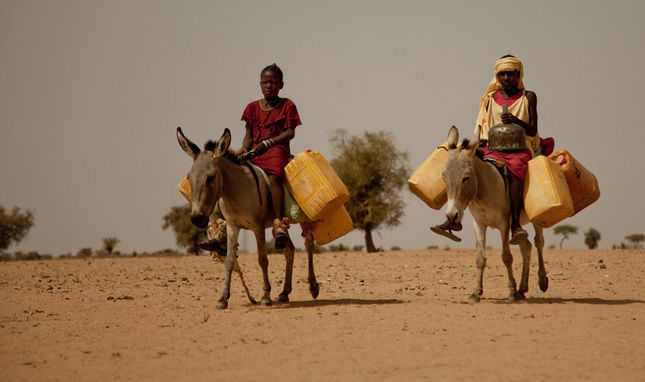
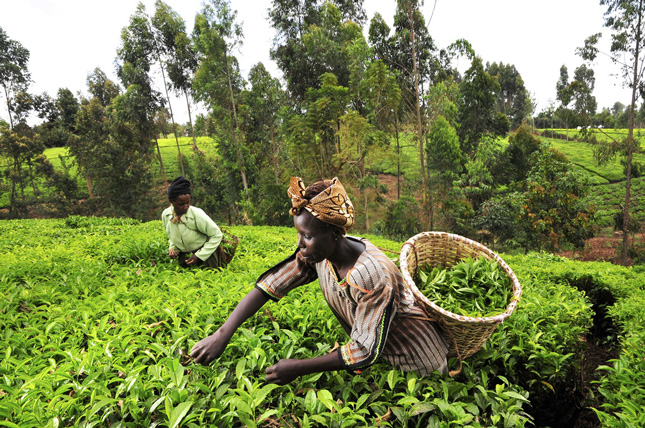
A new study published in the Proceedings of the National Academy of Sciences says that melting in Greenland could change ocean currents and cause unprecedented drought in Africa’s Sahel region, the Washington Post reported last week: “The consequence could be devastating agricultural losses as the area’s climate shifts. And in the most severe scenarios, tens of millions of people could be forced to migrate from the area.”
-
Environmental Sustainability, Does It Make Dollars and Sense?
›
While governments will play the central role in delivering the Sustainable Development Goals, they can’t do it without the private sector, said experts at the Wilson Center on April 12.
-
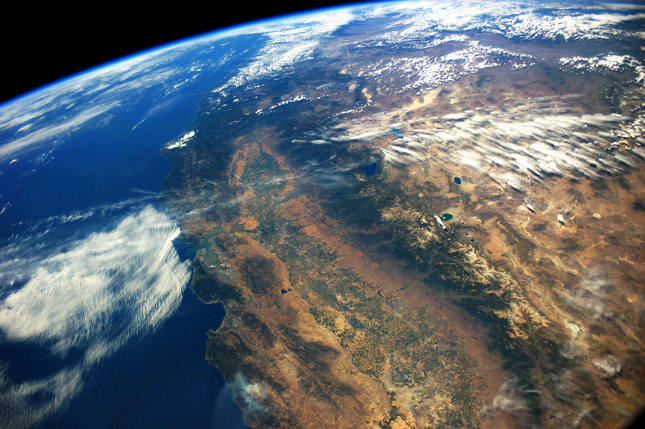
Historic Drought Prompts Water Innovation in California – Can It Be a Model?
›Pray for rain. Mega-drought. Winter salmon run nearly extinguished. Sierra snowpack dismal. These were just some of the headlines in California newspapers over the last five years during a historic drought that elevated water security to the top of everyone’s minds.
-
Top 5 Posts for May 2017
›Our nine-part “Choke Point: Tamil Nadu” series with Circle of Blue has been a must-read on the conflicting demands for water, food, and energy in the South Indian state. In May’s most popular post, S. Gopikrishna Warrier introduces us to Chennai’s tech-savvy social entrepreneurs, who are providing the city’s residents with real-time information on the risk of flooding. (The ninth and final post in the series was published yesterday; catch up on all of them at “Choke Point: Tamil Nadu”).
-
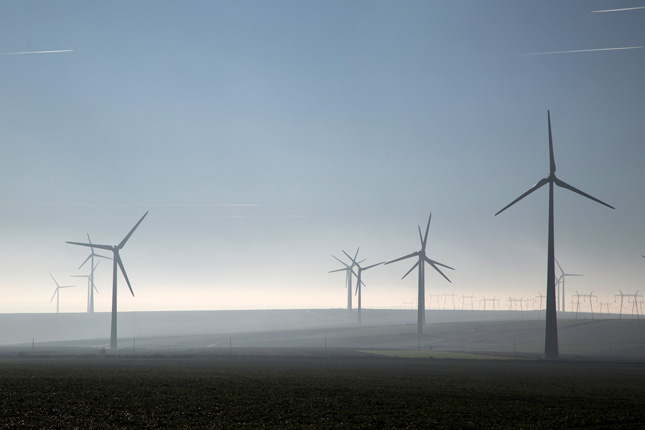
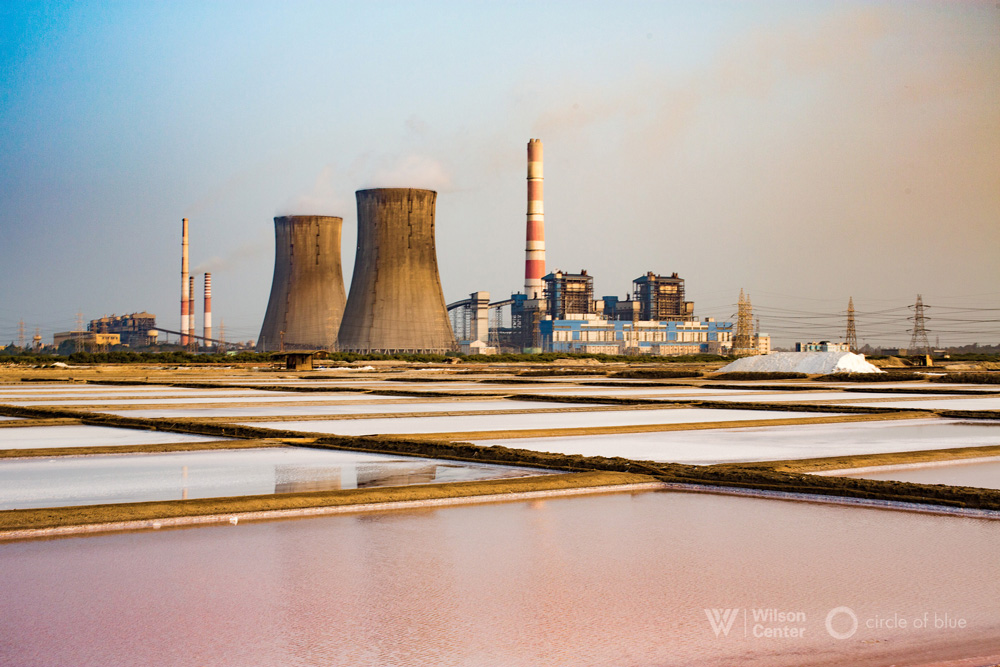
Tamil Nadu Leads India’s Historic Turn to the Sun and Wind
›MADURAI, India – Before he agreed to serve as minister of state and take command of his country’s mammoth energy production and distribution sector, Piyush Goyal developed one of India’s most spirited political careers. “A man of ideas and competence,” according to First Post, a prominent news organization, Goyal is an accountant and lawyer who rose to the peak of Indian economic and political culture as an investment banker, member of parliament, and treasurer of the ruling Bharatiya Janata Party.
-
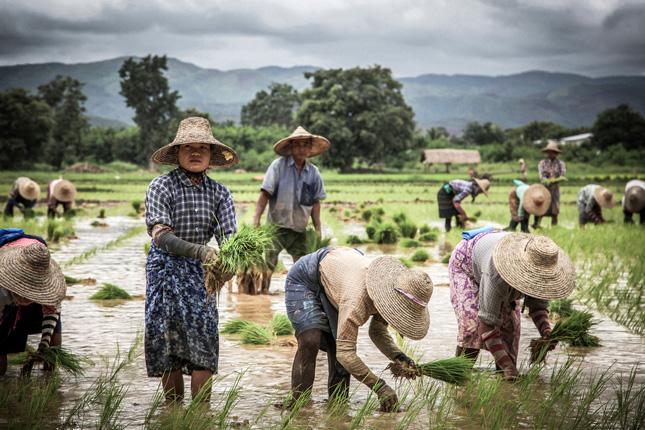
ND-GAIN Updates Climate Adaptation Index: Good News for Myanmar, Bad News for Brazil
›As climate change leads to more weather variability and natural disasters, the need for adaptation is more urgent than ever. The Notre Dame Global Adaptation Initiative (ND-GAIN) aims to enhance understanding of adaptation and inform the public and private sectors on actions and investments.
-
Food Violence Shows Need for Both Development and Climate Resilience
›In March, the Trump Administration released a new budget proposal that would cut funding to the Department of State and U.S. Agency for International Development by 28 percent. The proposal also reduces funding to the United Nations for ongoing climate change efforts. At the same time, the White House is publicly considered withdrawing from the Paris Climate Accords, with a final decision anticipated any day. Critics both outside the administration and within have pointed to the drawbacks of these moves, but the sum of the policy changes could have an even greater impact than the individual parts.
-
Michael Kugelman on Pakistan’s “Nightmare” Water Scenario
›“Water scarcity is a nightmare scenario that is all too real and all but inevitable in Pakistan,” says Michael Kugelman, deputy director of the Wilson Center’s Asia Program, in this week’s podcast.
Showing posts from category climate change.
 “Water scarcity is a nightmare scenario that is all too real and all but inevitable in Pakistan,” says Michael Kugelman, deputy director of the Wilson Center’s Asia Program, in this week’s podcast.

