-
It’s Time We Scale Up Climate Leadership
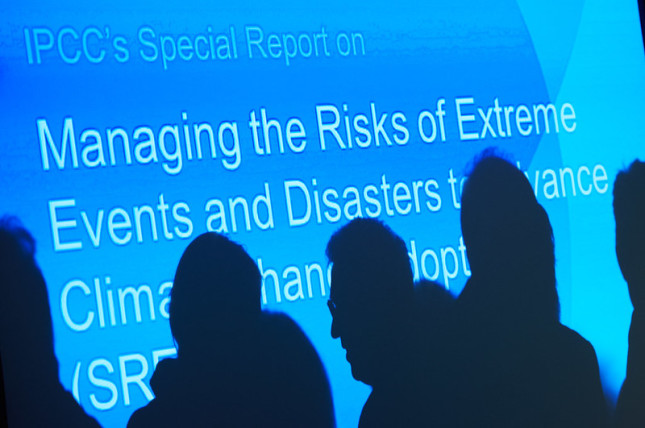
› The urgency to address climate change is only growing. As youth step up and are increasingly vocal about climate change, international negotiations—most recently at COP25—fail to deliver the ambitious global action required for effective response.
Where does this leave the communities most at risk from climate impacts? How can they adapt and transform in the face of enormous threats, sometimes to their very existence? With researchers and policy experts often focused on technological fixes and pushing new solutions to specific threats, it’s easy to assume that transformation is underway to respond to the new climate reality. In reality, transformative change is tough—especially when up against ingrained habit, culture, and a lack of political and financial resources to support it. Perhaps most importantly, transformative change requires effective leadership and champions—those people who build political will and create momentum to move policy innovations or on-the-ground action.
-
Enhancing Water Security and the Role of Diplomacy in Africa’s Mara River Basin and Beyond
›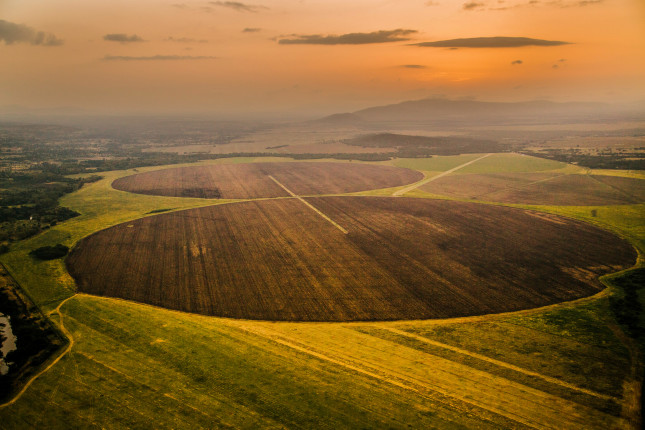
The Mara River traverses nearly 14,000 kilometers in Kenya and Tanzania, flowing through the Masai Mara National Reserve in Kenya and the Serengeti National Park in Tanzania. It is a vital water source for more than 1 million people in the area, as well as for 2 million zebras and wildebeests. In fact, the Mara River Basin is “one of the most ecologically important basins in the world,” according to Basil Mahayni, Deputy Director of USAID’s Sustainable Water Partnership’s (SWP). Communities in Kenya and Tanzania depend on the Mara River Basin for a variety of needs, including drinking water, livelihoods, and ecosystem preservation. Therefore, water security in this basin is essential to ecological health of the basin and its wildlife and the region’s economic development.
-
Are We Radically Underestimating the Effects of Climate on Armed Conflict?
›Climate change is widely recognized as a “threat multiplier.” From the United Nations to the G7 to the US Department of Defense, there is emerging consensus that climate change poses risks to both human and natural security through a variety of complex and interrelated channels. The extent of those risks, and how they connect to armed conflict, however, remain widely debated. -
Paying for the Spout: Innovative Financing Could Expand Access to Water
›Water Security for a Resilient World // March 2, 2020 // By Wania Yad, Amanda King, Kelly Bridges & Thomas BoyntonSafe water, sanitation, and hygiene (WASH) are vital for human well-being. However, 1 in 3 people (approximately 2.2 billion) still lack safe drinking water, 4.2 billion do not have access to safely managed sanitation services, and 829,000 people die annually from unsafe water and related sanitation and hygiene around the world.
-
To Fight for a Living Planet, Restore its Biology
› We face the greatest environmental challenges ever relating to climate change, biodiversity, land use, and more. Humans are driving 1 million species to extinction, according to a report by the UN-backed Intergovernmental Science-Policy Platform on Biodiversity and Ecosystem Services. Some $44 trillion of annual global economic product that depend on nature are in jeopardy. Fires have ravaged large swathes of the Amazon—Brazil and Bolivia in particular—and Australia. -
Why Climate and Conflict Are Shaping the Crises of Our Time (And What To Do About It)
›Humanitarian need is increasing. Crises are becoming more complex through the interactions between climate change, disasters, and conflicts. Not only are humanitarian crises on the rise, but the nature of crises is changing, largely due to climate change-driven extremes such as floods, droughts and typhoons. Over 90 percent of disasters are believed to be related to climate. -
Advancing One Health: Protecting People, Gorillas, and the Land on Which They Live
›In 2003, a scabies skin disease outbreak affecting mountain gorillas in Bwindi Impenetrable National Park was traced to people living around the national park—people with limited access to basic health and social services. To protect the people and wildlife of this special park, we launched Conservation Through Public Health (CTPH), an NGO that promotes biodiversity conservation by enabling people, gorillas, and other wildlife to coexist harmoniously through improved health and wellbeing. -
Common Climate Impact Assessments Underestimate Future Vulnerability
›Climate-related disasters are a major source of human and material losses. Poverty and low level of economic development are important determinants of environmental vulnerability. Achieving stable and sustainable development thus represents an important strategy to reduce adverse impacts of climate change. However, present efforts to evaluate possible consequences of climate change in the future suffer from too optimistic assumptions about economic growth in poor countries, as we document in a new article just published in the journal Global Environmental Politics.
Showing posts from category climate change.
 The urgency to address climate change is only growing. As youth step up and are increasingly vocal about climate change, international negotiations—most recently at COP25—fail to deliver the ambitious global action required for effective response.
 Climate change is widely recognized as a “threat multiplier.” From the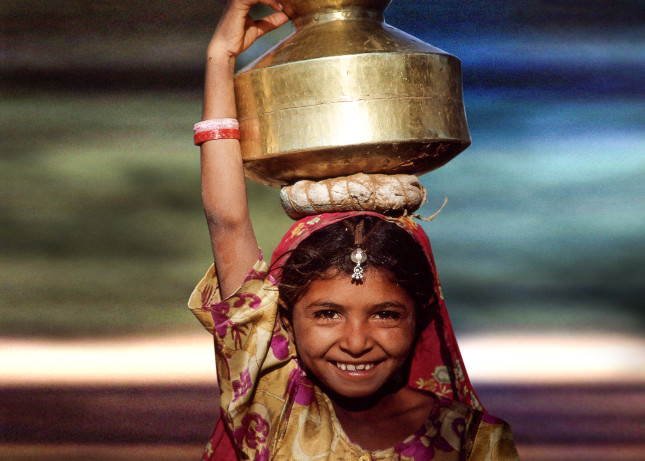
 We face the greatest environmental challenges ever relating to climate change, biodiversity, land use, and more. Humans are driving 1 million species to extinction, according to a
 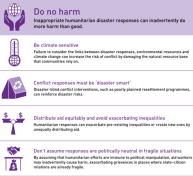 Humanitarian need is increasing. Crises are becoming more complex through the interactions between climate change, disasters, and conflicts. Not only are humanitarian crises on the rise, but the nature of crises is changing, largely due to climate change-driven extremes such as floods, droughts and typhoons. Over
 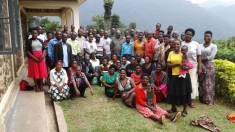 In 2003, a scabies skin disease outbreak affecting mountain gorillas in Bwindi Impenetrable National Park was traced to people living around the national park—people with limited access to basic health and social services. To protect the people and wildlife of this special park, we launched