-
Merging the Environmental and Security Sectors in Climate Risk Responses
›
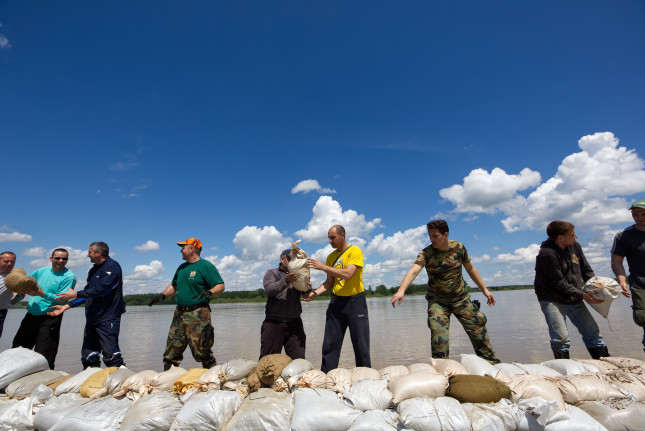
Environmental security notions have evolved over the past 30 years. Once a sub-field of Security and Peace Studies focusing on how environmental issues correlate with modern security theories and policies, the concept is rapidly merging environmental and security sectors. Former Greek Naval Officer in the Hellenic Navy and current environmental security scholar Dimitrios Kantemnidis’ expertise sits at the center of the two merging fields. His military background informs perspectives on growing environmental security risks and potential responses for civilian and military actors.
-
Food and Water Security Solutions: Reflections on Mitigating Climate-induced Population Displacement in Africa
›
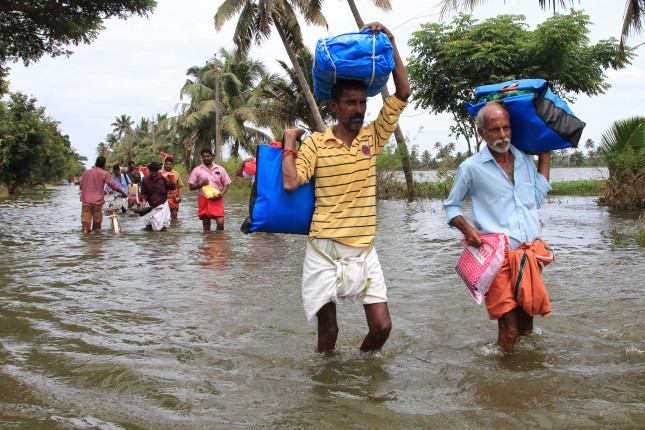
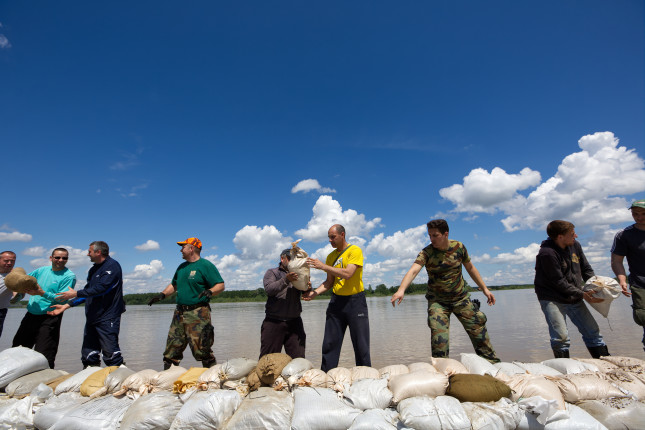
Almost two years after Cyclone Idai hit Mozambique, Zimbabwe, and Malawi, thousands of people remain displaced. At the time, Idai was the most powerful cyclone to hit the Southern Hemisphere in two decades, but it is no longer an anomaly. Worse, the Word Bank reports that climate change can potentially wipe out decades of social and economic progress in the developing world by displacing millions of people, many of whom will be pushed into poverty. Food and water insecurity connected to climate hazards—particularly in places dependent on agriculture—is a major factor which has forced families and whole communities to relocate for safety and subsistence.
-
Russia’s ‘Nyet’ Does Not Mean Climate Security Is off the Security Council Agenda
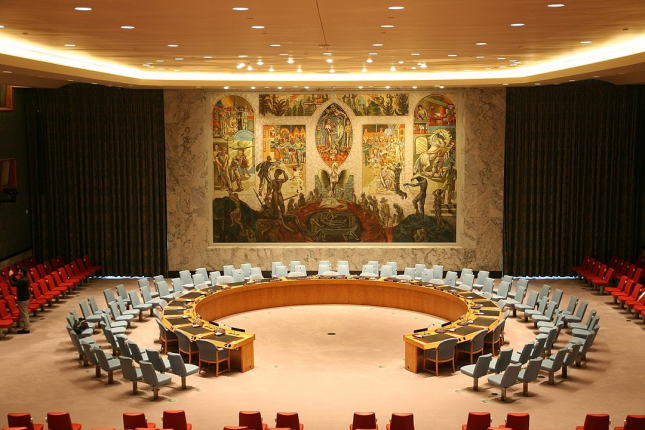
›On Monday, 13 December, Russia used its veto in the United Nations Security Council to block a thematic resolution on climate change and security put forward by Ireland and Niger. While the draft resolution contained specific actions, its main purpose was symbolic: to put the security implications of climate change firmly on the Security Council’s agenda, much as Resolution 1325 did with women, peace and security.
-
The Quad Should Help India Address Its Most Pressing Security Challenge: Climate Change
›Headlines about India’s pressing security challenges often focus on tensions with Pakistan, border friction with China, and internal interethnic violence. However, the threat of climate change is in fact the paramount security threat to India in the coming decades.
-
Navigating the Arctic’s 7Cs
› “It seems incumbent upon the Arctic policy community to identify the most pressing issues to address in the region while simultaneously, effectively and creatively communicating their complexities and interrelated nature,” writes Mike Sfraga, founding director of the Wilson Center’s Polar Institute, in a new Wilson Center monograph, Navigating the Arctic’s 7Cs. Policy priorities in the Arctic boil down to climate, commodities, commerce, connectivity, communities, cooperation, and competition, writes Sfraga. The “7Cs” provides a framework that policymakers can use when engaging in Arctic affairs.
-
Blue Jeans Contaminating Blue Oceans: The Expanding Microfiber Footprint of Our Clothes
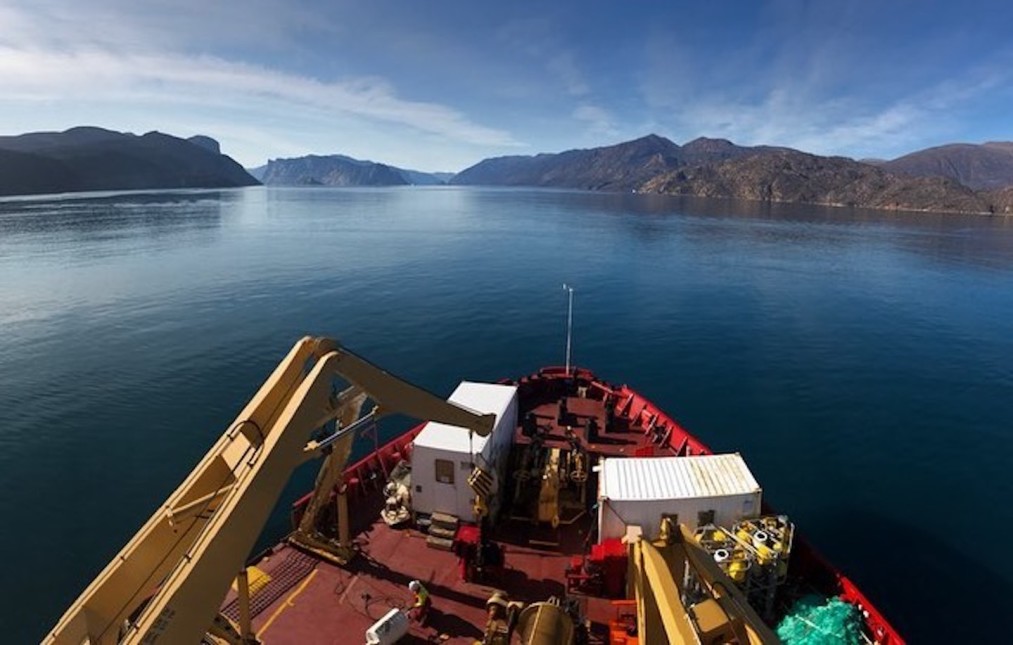
›The Arctic is believed to be a pristine environment, far removed from littered city streets and toxic industrial emissions. I study human pollution and I found it hard to believe that my fellow researchers and I would find so much litter out here. It was even harder to believe that what we uncovered closely resembled the contents of my own closet, over 3,000 kilometers (2,000 miles) away in Toronto. -
Generation 2030: The Strategic Imperative of Youth Civic and Political Engagement
›According to a recent poll, young people are deeply concerned about the world they will inherit, want to be more engaged in meeting the development needs of their communities, and are helping to lead democracy or social justice protests in their countries. At the same time, new research shows a large decline in trust and admiration for democratic governance. According to Freedom House, for the first time in decades, authoritarian leaning regimes outnumber democratic leaning ones, with a majority of the world’s population now living in authoritarian leaning countries.
-
Centering Indigenous Knowledge in Climate Response
›“Tribal People have learned to take care of the land because our land took care of us,” said Kat Brigham, Chair of the Board of Trustees for the Confederated Tribes of the Umatilla Indian Reservation (CTUIR), at a recent Wilson Center event. “It’s important for tribal people to be at the table. We have a lot of knowledge, we have a lot of experience on how to protect and restore natural resources,” said Brigham. “This is part of our culture, our history, and our future.”
Showing posts from category climate change.