-
America Reenters Competition for Global Nuclear Energy Markets
›
During the 2010s, the United States was on the verge of permanently losing competitiveness in global nuclear energy markets. This weakness threatened American geopolitical goals, with Russia further extending its nuclear market dominance and China eyeing reactor exports across the Belt and Road.
-
Investigating Climate Migration: Global Realities and Resilience
›
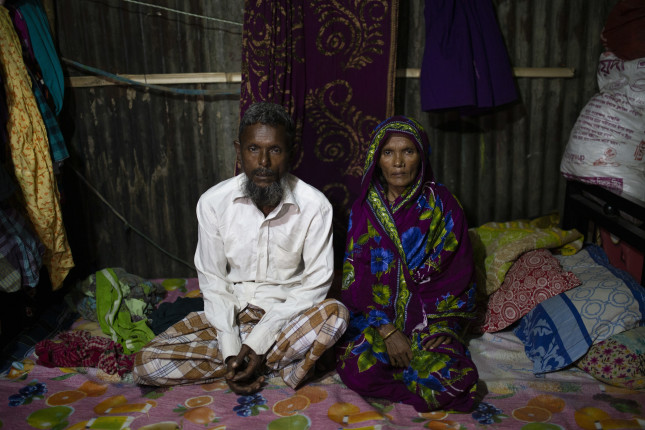
Climate change has become part of our daily lexicon. Rarely does a week pass when a hurricane, drought, wildfire, or some other climate disruption is not front page news. These headlines often offer dire predictions of mass migration as well—a bracing vision of hordes of people moving to greener pastures, often found further inland and further north, where some political leaders leverage the narrative to push their own agendas.
-
Rice: A Recipe for Greenhouse Gas Emissions in the U. S. and China?
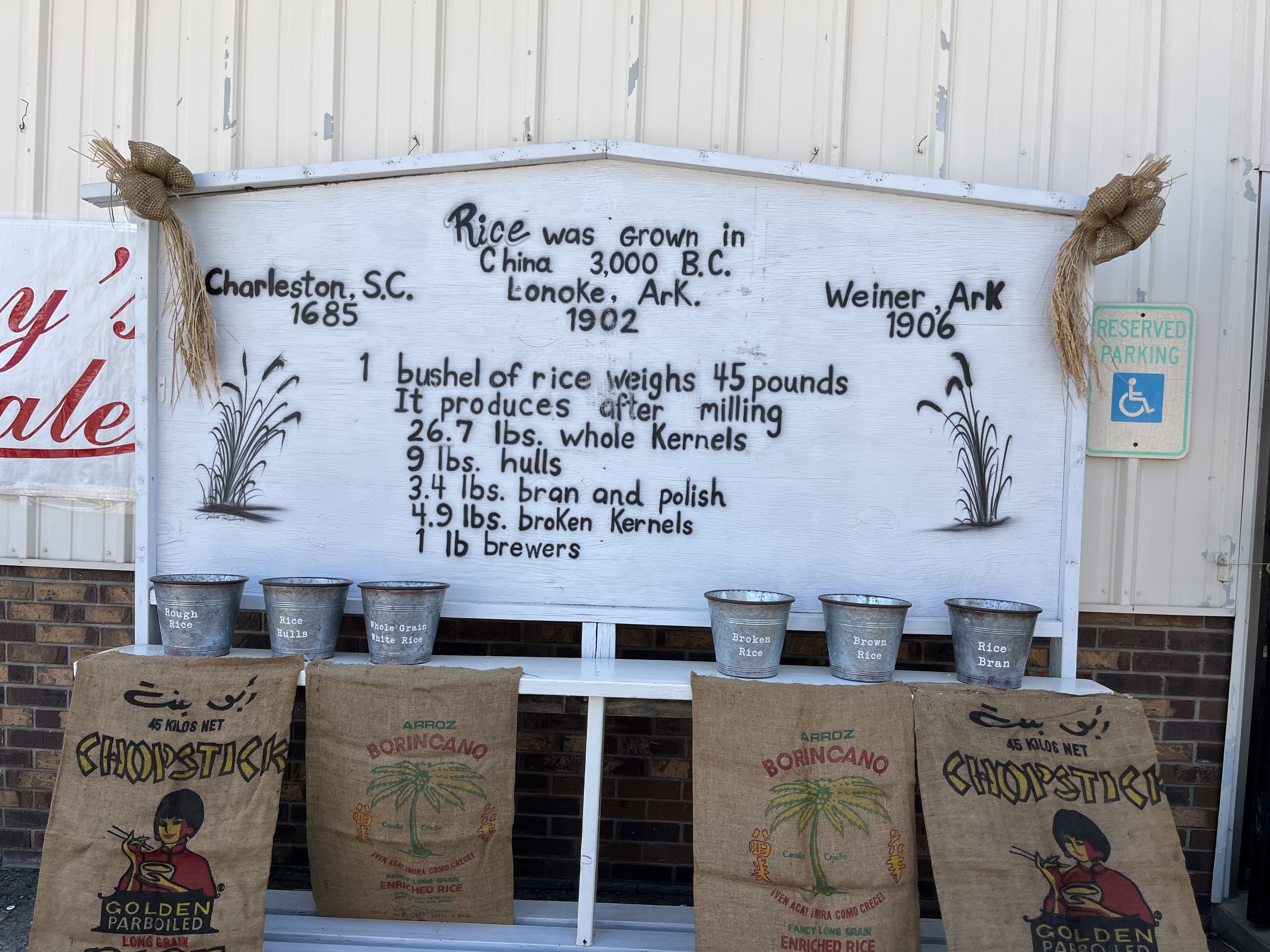
›Go to the Arkansas Rice Festival in Wiener, Arkansas and you will discover how delicious – and diversely flavored – this cereal grain can be. Savory, sweet, or even spicy: Each dish at the festival’s annual rice recipe contest shows the many ways to prepare this international food staple.
Why look to Arkansas for rice? The state produces 4 million tons of it every year, which is nearly half the rice grown in the United States. But that U.S. annual total is dwarfed by the amount produced by China, which at 207 million tons is the world’s largest rice producer. It’s also natural that the world looks to China for rice; genomic mapping has suggested that cultivated rice was first grown in the Pearl River valley in southern China.
-
Guatemala’s Western Highlands: Addressing Gendered Vulnerability to Climate Change
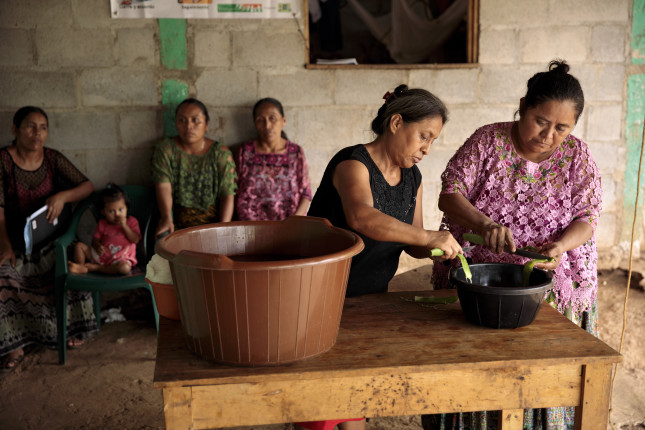
›The Population Institute’s recent report, Invisible Threads: Addressing the root causes of migration from Guatemala by investing in women and girls, has brought attention to the numerous factors that drive migration in Guatemala. One of the key factors addressed in the report is climate change, which is linked closely to issues concerning land in that country. To this day, multiple generations of indigenous women endure the effects of land displacement and inequities in access to land—as well as related social and economic pressures. In concert with other political, social, and economic problems, this particular challenge has resulted in large outflows of migrants from the region.
-
Water @ Wilson Event | Water, Peace, & Security: New Tools for a New Climate
›Water sustains life on our planet. And access to clean and safe water is foundational to society. So why has it only been in recent years that water has risen to the top of discussions of climate and security? Richard W. Spinrad, the Under Secretary of Commerce for Oceans and Atmosphere and NOAA Administrator, says that one of the biggest reasons is the major impact that climate-related changes in precipitation like droughts and extreme rainfall are having across the globe: “We’re starting to see things like we’ve never seen before. The nature of storms is changing: We saw five feet of rain fall in Hurricane Harvey. Five feet.” -
Invisible Threads: Addressing Migration Through Investments in Women and Girls
›This week’s episode of the New Security Broadcast explores Invisible Threads: Addressing the Root Causes of Migration from Guatemala by Investing in Women and Girls–a new report from the Population Institute. “We feel like it’s really important to highlight how the lives of women and girls and other marginalized groups are really central to a lot of the issues that are at the root causes of migration from the region,” says Kathleen Mogelgaard, President and CEO of the Population Institute. In this episode, Mogelgaard lays out the report’s findings and recommendations with two fellow contributors: Aracely Martínez Rodas, Director of the Master in Development at the Universidad del Valle de Guatemala, and Dr. J. Joseph Speidel, Professor Emeritus at the University of California, San Francisco School of Medicine. -
Warfare and Global Warming
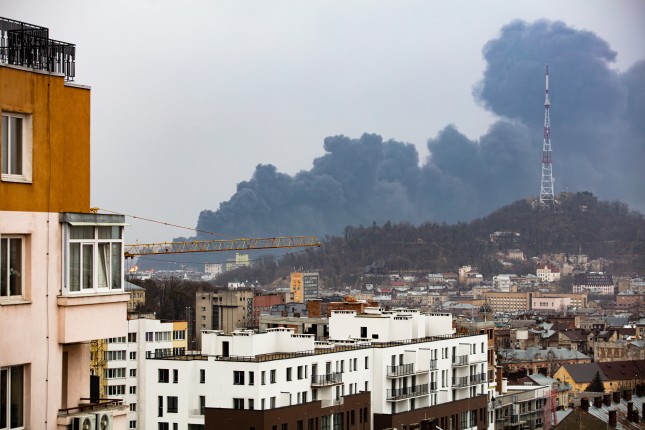
›The world has plenty of reasons to avoid conflict already. Yet attendees at the recently-concluded COP27 climate conference in Sharm el-Sheikh, Egypt were presented with another compelling argument: Warfare is bad for global warming. So much so, in fact, that Ukraine’s delegation to the conference organized a special session at the conference of parties on “War Related Emissions,” bringing along a tree trunk bearing scars from Russian shell fragments as tangible evidence.
-
Water at COP27: Hydrating Climate Policy Negotiations in the Desert
›Is water important in climate policy? It seems obvious. Water has a well-established link as the medium of most negative climate impacts. Yet when it comes to addressing the climate crisis, the answer depends very much on who you ask.
Showing posts from category climate change.