-
ECSP Weekly Watch | July 3 – 7
›
A window into what we are reading at the Wilson Center’s Environmental Change and Security Program
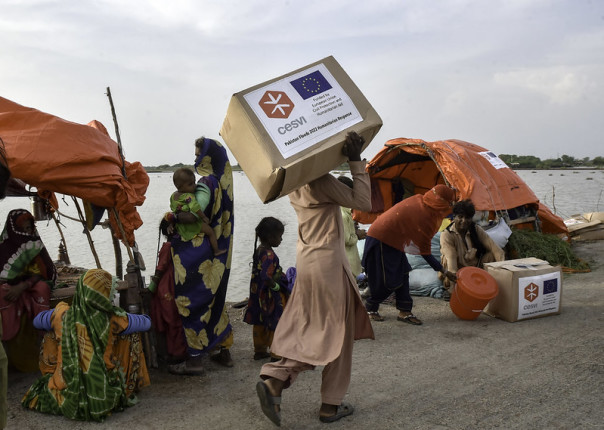
In Conflict-Affected Somalia, Climate Change Adds to Migration Pressures
In the Somalian coastal town of Hobyo, thousands of residents—some of whom settled there to flee the country’s civil war—are starting to leave. Why? Their homes are being engulfed by sand.
-
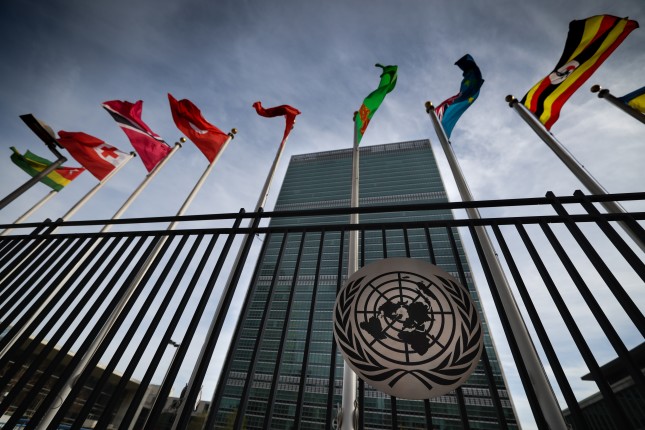
The UN Security Council Debates its Role in Tackling Climate Security
›
Climate change is a security concern due to its role as a risk multiplier, aggravating political, social, and economic vulnerabilities, straining resources, and undermining institutions. And as climate change intensifies, its impact on military operations around the world, including UN peacebuilding efforts, will grow in tandem.
-
ECSP Weekly Watch | June 23 – 29
›A window into what we are reading at the Wilson Center’s Environmental Change and Security Program
Climate Change and Migration: Ensuring Safe Access for Women and Girls
A new report from UN Women found that climate change poses a significant threat gender equality. In particular, changes in weather patterns and extreme events exacerbate vulnerability among women and girls and leads them to seek safety and opportunities through increased migration.
-
Water @ Wilson | The Significance of the Coming El Niño: Understanding the Science and Preparing for Its Impacts
›When the National Oceanic and Atmospheric Association (NOAA) declared the beginning of an El Niño event on June 8, 2023, the recurring climate pattern featured in headlines all over the world as media outlets sought to cover its anticipated impacts.A recent Water @ Wilson event –“The Significance of the Coming El Niño: Understanding the Science and Preparing for its Impacts”—brought together experts at the Wilson Center to explain the complex science behind El Niño and explore its regional implications. The speakers also surveyed the policy tools at our disposal to prepare for its significant climate effects.
-
Bottom-up Moo-vement: Reducing Methane Emissions from US and Chinese Cows
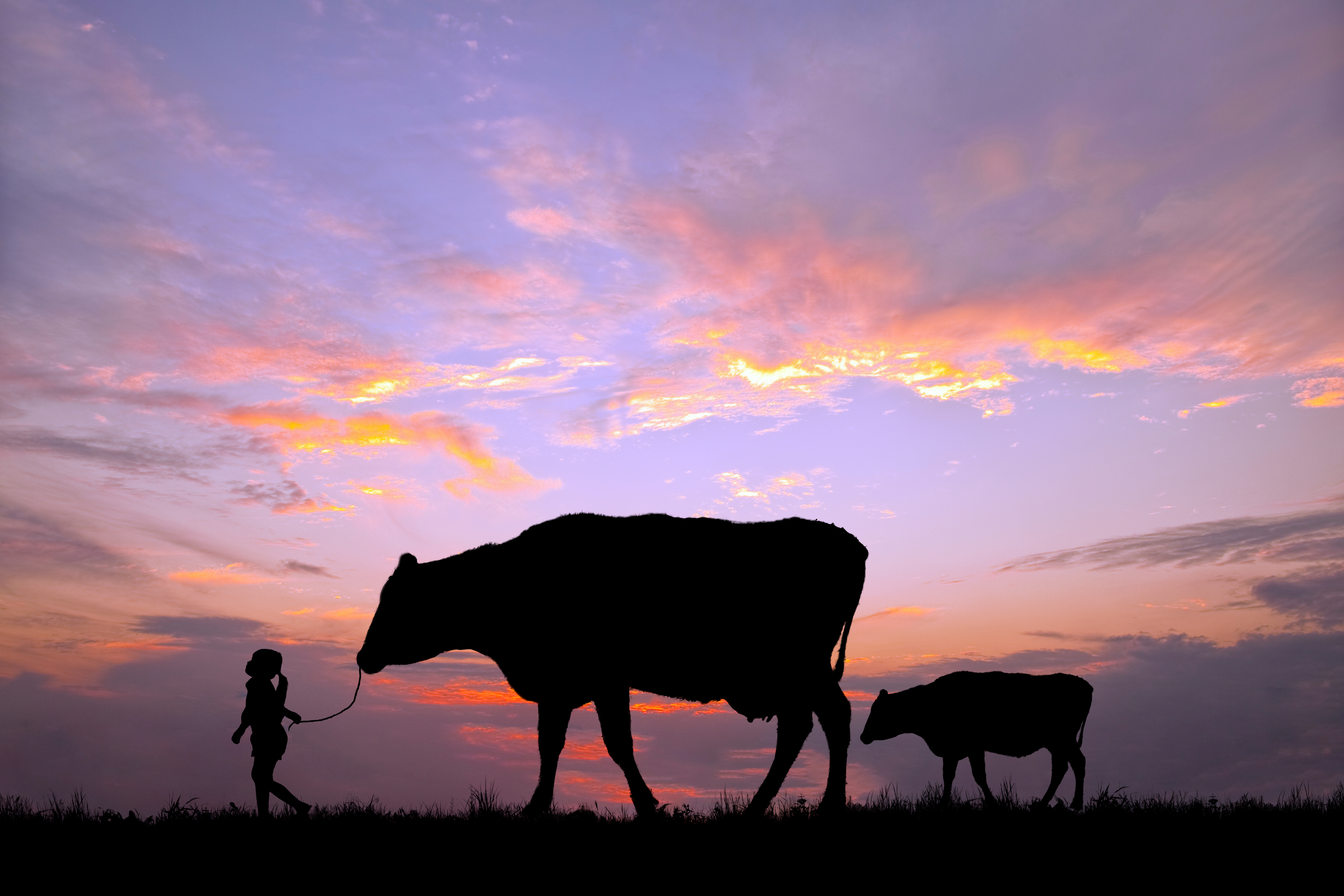
›When cows eat, they burp. And what they exhale generates almost a third of global methane emissions – a greenhouse gas 80 times more potent in warming the climate than CO2. So tracking this short-lived climate gas is crucial.
Six miles from Bakersfield, California, at the Bear 5 cow feedlot, this work is starting to happen. High-resolution satellites are being used for the first time at the feedlot to track methane emissions from cow burps. Measuring cow belches from space is bringing critical attention to the brewing climate issues from cows. After all, the methane produced by these gassy animals in one year at Bear 5 cow feedlot alone could power more than 15,000 homes in California.
-
John Podesta on the Inflation Reduction Act and a New American Industrial Strategy
›Through the Inflation Reduction Act, the Biden administration has launched a new industrial strategy. Today’s episode of New Security Broadcast highlights a fireside chat at a Wilson Center event between John Podesta, Senior Advisor to the President for Clean Energy Innovation and Implementation, and Duncan Wood, Wilson Center Vice President for Strategy and New Initiatives. Podesta and Wood explore the opportunities provided by the Inflation Reduction Act for the U.S. and its allies. -
Rethinking Population, Climate, and Health: Focusing on Solutions
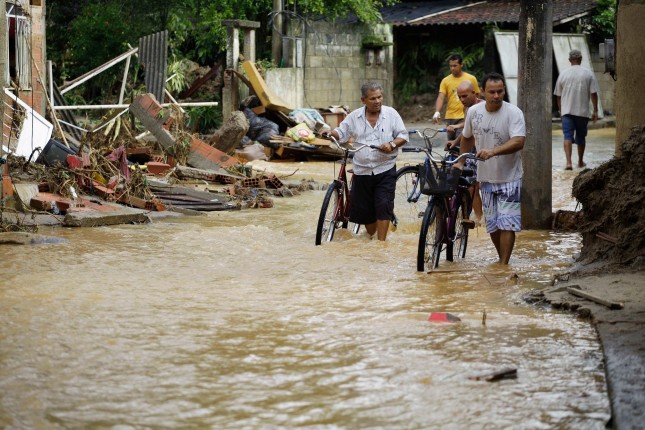
›News about global climate impacts that elevate mortality, wreak weather havoc, and create massive displacement is inescapable. And those are just the stories that make the headlines. Droughts in Africa are estimated to impact 250 million people and displace 700 million more by 2030. Climate impacts brought on by El Niño are devastating the food supply chain, exacerbating Guatemala’s struggle to reduce childhood malnutrition.
-
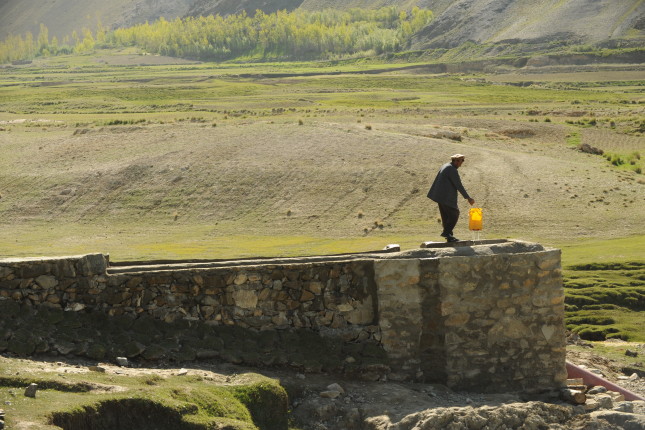
Conflict, Crisis, and Peacebuilding: Afghanistan and Regional Water Security
›Gunfire erupted at the border of the Afghan Nimroz Province and Iran’s Sistan-Baluchistan Province on May 27, 2023, amid rising tensions over water rights, killing troops on both sides.
Iranian and Afghan government officials have blamed each other for triggering the incident. But whatever the cause, the tensions over water flows between these nations have been simmering for at least a century. Indeed, in 1999, under the first iteration of the Taliban, flows were restricted completely causing damage to the delicate Hamoun Region—a registered UNESCO biosphere site of social and ecological importance.
Showing posts from category climate change.