-
Zambian Women Take the Lead in Adapting Food Systems to Climate Change
›
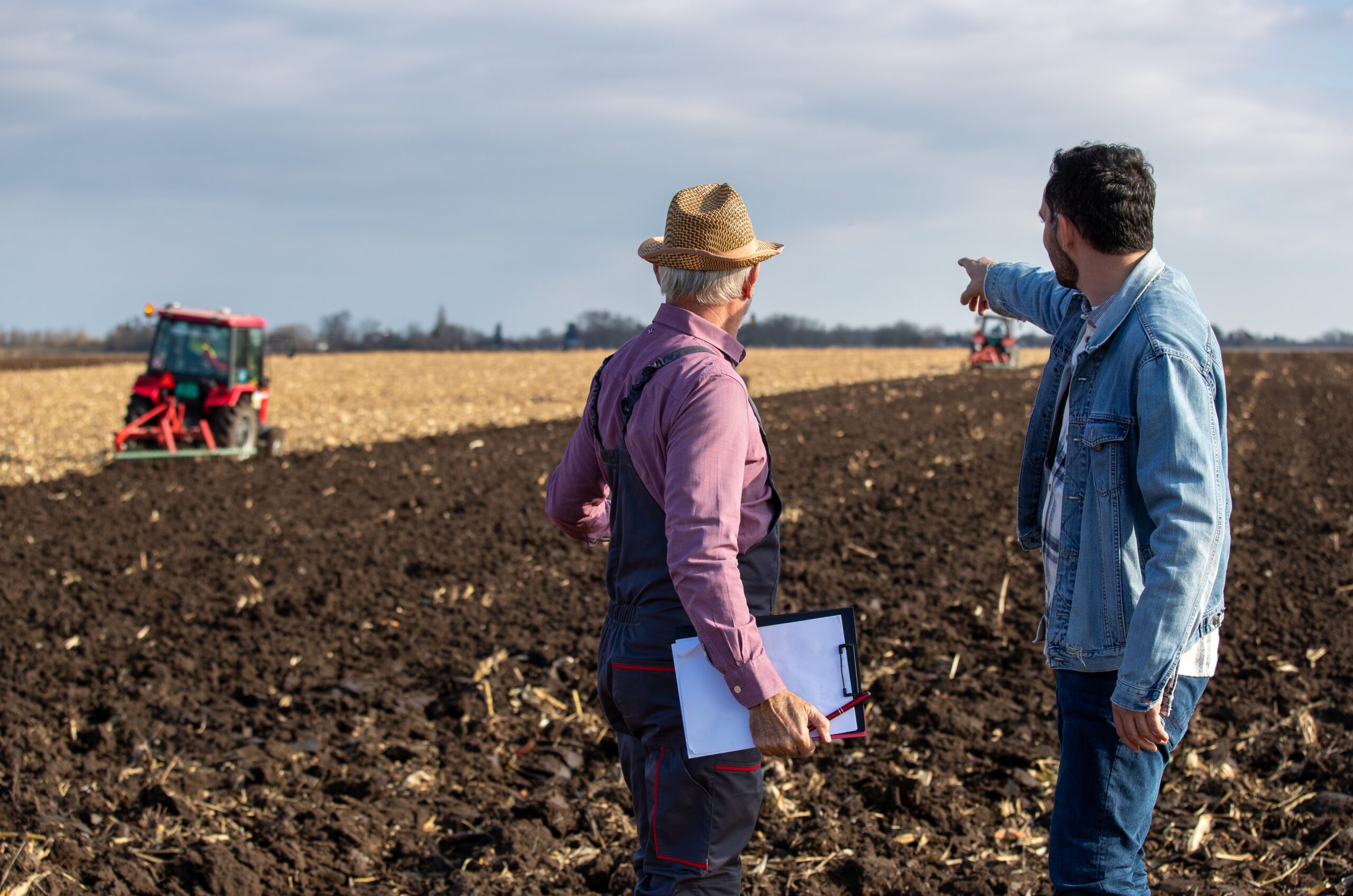
Women play vital roles as actors and innovators in food systems worldwide. In many societies, they are the primary food producers, accounting for between 60% and 80% of the national food stock. Women are also deeply engaged in other stages of the food value chain, from processing to consumption. Their multiple roles provide them with specific abilities that strengthen food systems during times of crisis.
-
Climate Insecurity Comes for Europe
›October 30, 2025 // By Peter Schwartzstein
When we look at climate-related insecurity, it’s usually in the context of poorer parts of the planet. And there’s generally good reason for that focus. Regions such as the Sahel and the Middle East are where the most––and worst––conflict of this nature plays out. And, for the most part, poorer countries are also the places least equipped to manage climate impacts and their effects on stability.
-
Environmental Security Weekly Watch: October 20-24, 2025
›US Resistance Delays Vote on Shipping Decarbonization Rules (Mongabay)
The International Maritime Organization (IMO) has voted 57-49 to postpone the adoption of the “net-zero framework” until October 2026. As the shipping sector’s first binding deal on global greenhouse gas emissions, the agreement would have established progressively stricter intensity limits starting in 2028. The framework also imposed substantial fees for noncompliance, with high emitters facing up to $1.5 million in additional annual fees by 2035 that could raise fuel costs by roughly 20%. Low-emission vessels would be rewarded with tradable carbon allowances.
-
Environmental Security Weekly Watch: October 13-17, 2025
›A window into what we’re reading in the Stimson Center’s Environmental Security Program
Assessment of UNESCO Sites Reveals Climate Impacts (Mongabay)
Initial data from the first ever global biodiversity and climate assessment indicates that 98% of UNESCO’s 2,200+ World Heritage Sites, Biosphere Reserves, and Geoparks have experienced at least one climate-related extreme event since 2000, including massive wildfires, droughts, and retreating glaciers. The effort to track such effects will now be augmented by UNESCO’s new Sites Navigator, a geospatial platform that integrates over 40 datasets to track climate impacts, biodiversity loss, and socioeconomic conditions in real time.
-
Environmental Security Weekly Watch: October 6-10, 2025
›A window into what we’re reading at the Stimson Center’s Environmental Security Program
“Intractable” systemic problems mean carbon offsets fail to cut global heating (The Guardian)
A recent review of 25 years of evidence found that carbon credit quality issues stem from deep-seated structural flaws, and not isolated cases of fraud. Researchers point to four major flaws that undermine most carbon offset projects. The worst problems include issuing credits for already-planned projects, impermanent solutions (forests that later burn), incidences of leakage (such as protecting one forest area while pushing logging elsewhere), and double-counting which allows both seller and buyer to claim the same emission reduction.
-
Environmental Security Weekly Watch: September 22-26, 2025
›A window into what we’re reading at the Stimson Center’s Environmental Security Program
High Seas Treaty Passes UN Ratification Threshold for Implementation (New York Times)
Last week, the High Seas Treaty reached 60 ratifications in the United Nations, crossing the threshold to take effect and triggering a four-month countdown to full implementation. The agreement creates a comprehensive regulatory framework to protect all international waters beyond any single country’s jurisdiction.
-
Environmental Security Weekly Watch: September 15-19, 2025
›A window into what we’re reading in the Stimson Center’s Environmental Security Program
Mexico’s Mercury Boom is Poisoning People and the Environment (Associated Press)
In Mexico’s Sierra Gorda mountains, soaring international gold prices also have created a mercury boom. Since 2011, mercury prices have skyrocketed from $20 per kilogram to between $240 and $350 per kilogram today. Most of Mexico’s mercury is trafficked to Colombia, Bolivia, and Peru for use in illegal Amazon gold mining operations that contaminate rivers and ecosystems. Yet the country’s adoption of a 2017 UN convention banning mercury mining and exports also allows artisanal mines to operate until 2032.
-
Mud, Memories, and Meaning: Investigating Climate Security in Southwestern Zimbabwe
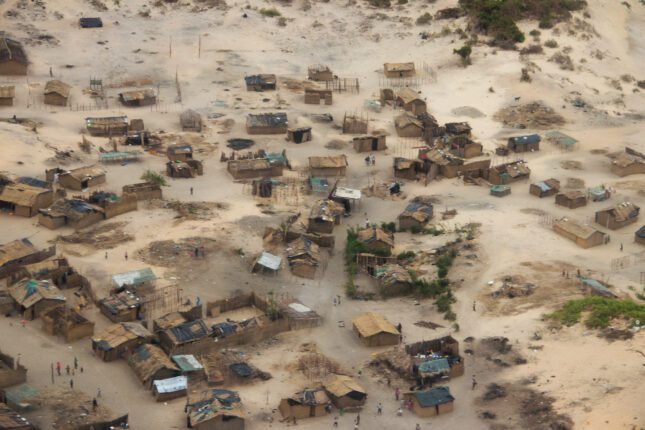
›While the devastating cyclones Dineo (2017) and Idai (2019) may feel like distant memories on the global stage, their impact remains etched into daily life in Zimbabwe’s Tsholotsho and Chimanimani districts. A punishing regional drought in 2024 makes the picture here even clearer: food, land, and water systems have been reshaped in ways that directly influence social cohesion and stability.
Showing posts from category climate change.