-
Relief, Recovery, and Peace: David Nicholson on COP28’s New Theme
› In a new mini-series previewing the upcoming UN Climate Summit (COP28)’s new focus on relief, recovery, & peace, ECSP Program Director Lauren Risi spoke with David Nicholson, Director of the Environment, Energy and Climate Change Technical Support Unit at Mercy Corps.
Nicholson described his role in ensuring that climate change is at the center of Mercy Corps’ wide-ranging and successful global humanitarian aid programs in 42 countries—and the importance of having local staff to make interventions a true partnership. He also talks about climate finance, and his hopes that COP28’s theme of “relief, recovery and peace” will advance the view that peacemaking is essential to adaptation efforts.
-
Relief, Recovery, and Peace: Iris Ferguson on COP28’s New Theme
›In a new mini-series previewing the upcoming UN Climate Summit (COP28)’s new focus on relief, recovery, & peace, ECSP Program Director Lauren Risi spoke with Iris Ferguson, the US Department of Defense’s Deputy Assistant Secretary of Defense for Arctic and Global Resilience.Deputy Assistant Secretary Ferguson spoke about why climate security has become a crucial element in DOD planning, as well as why the department will have a highly visible presence at COP28. She also shared the story of her own path to leadership at the Pentagon – as well as why her position includes both global resilience and the Arctic.
-
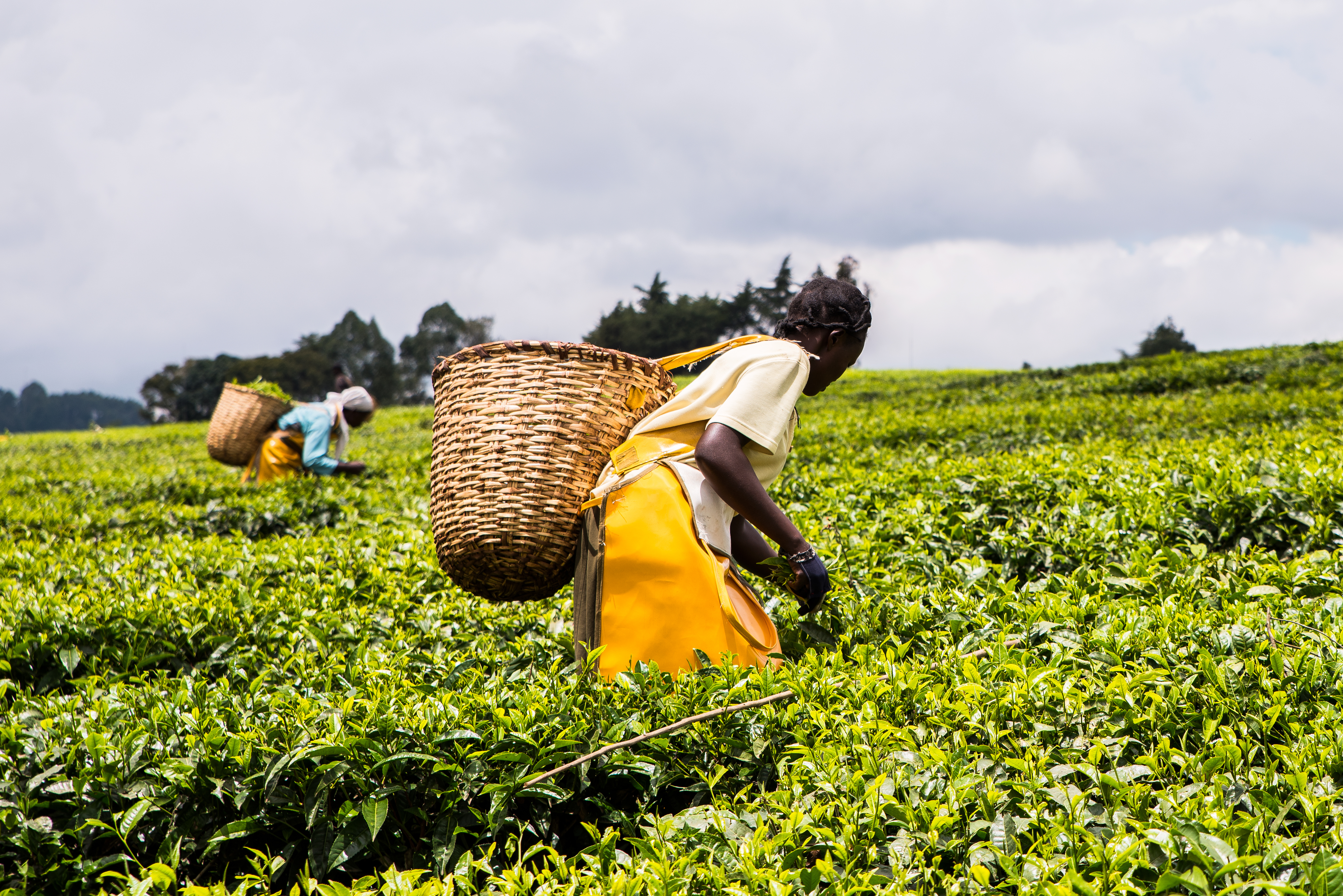
The Arc | Gender, Agriculture, and Climate Change with Dr. Maureen Miruka
› In the first episode of The Arc, ECSP’s Claire Doyle and Angus Soderberg speak with Dr. Maureen Miruka about the complex relationship between gender, climate, and agriculture. Dr. Miruka, who is Director of Strategic Partnerships and Research at CARE USA, emphasizes the disproportionate impact of climate stressors on women and vulnerable populations through the lens of food systems. She also underscores the pivotal role women play as change agents in global climate mitigation and adaptation, and makes a call to broaden the scope of research in this space to include other gender minorities.
-
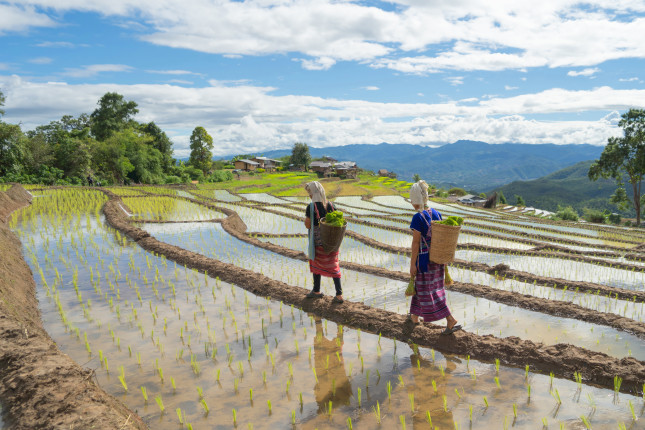
The Next Feminist Wave: Heat
›The summer of 2023 featured some of the hottest days ever recorded. Feminists should be alarmed.
Climate change may not seem like a feminist issue on its face. A warming planet poses a cross-cutting and common threat. But the perception that climate impacts result in uniform harm produces partial solutions that neglect the world’s most vulnerable populations. This alone makes environmental justice a gender justice issue as well.
-
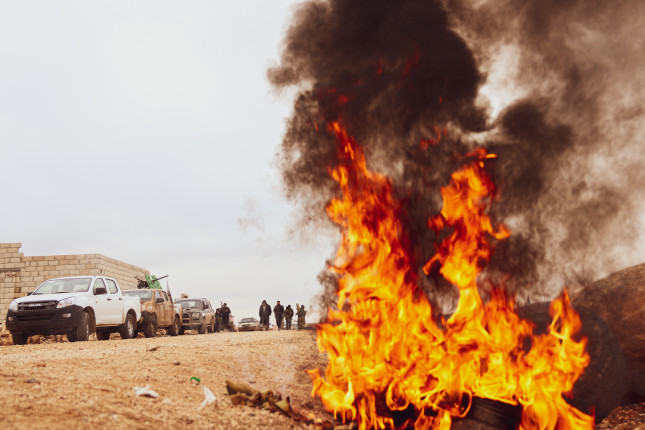
Recognizing the International Day for Preventing the Exploitation of the Environment in War and Armed Conflict
›In 2001, the UN General Assembly declared November 6 the International Day for Preventing the Exploitation of the Environment in War and Armed Conflict. In the 22 years since, both the impact of the exploitation of the environment during war—and the centrality of natural resources in establishing peace—have gained greater global recognition.
-
Introducing “The Arc”
› On today’s episode of New Security Broadcast, ECSP is launching a new series called The Arc, focused on the connections between climate change, equity, justice, and identity. We will cover a wide range of topics – from food and water systems to the energy transition, migration, and climate finance – and talk with practitioners, advocates, professors, and community leaders to discover where these topics intersect with issues related to climate impacts and justice.
-
ECSP Weekly Watch | October 30—November 3
›A window into what we are reading at the Wilson Center’s Environmental Change and Security ProgramPanama Canal’s Water Woes Threaten International Trade Flow
The Panama Canal has operated as a gateway between the Atlantic to the Pacific for more than a century, relying on water to raise and lower the ships that help fuel international trade. But a recent drought has disrupted the normal functioning of the Canal’s locks, cutting into Panama’s revenue and also causing problems for global supply chains.
-
ECSP Weekly Watch | October 23 – 27
›A window into what we are reading at the Wilson Center’s Environmental Change and Security Program
DRC Mining Project Displaces a Local Community
Kolwezi is the “cobalt capital of the world.” But residents of this city in the Democratic Republic of Congo are being compelled to relocate under questionable circumstances in order to make room for a new mine sponsored by the Chinese mining company COMMUS.
Showing posts from category climate change.
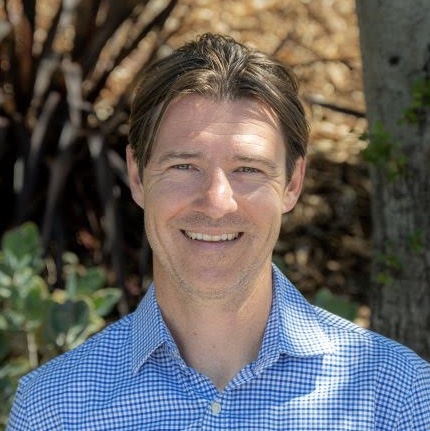 In a new mini-series previewing the upcoming UN Climate Summit (COP28)’s new focus on relief, recovery, & peace, ECSP Program Director Lauren Risi spoke with David Nicholson, Director of the Environment, Energy and Climate Change Technical Support Unit at Mercy Corps.
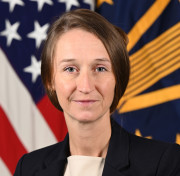 In a new mini-series previewing the upcoming UN Climate Summit (COP28)’s new focus on relief, recovery, & peace, ECSP Program Director Lauren Risi spoke with Iris Ferguson, the US Department of Defense’s Deputy Assistant Secretary of Defense for Arctic and Global Resilience.