-
New Sudan Study Has Researchers Re-Thinking Risks and Resilience of Pastoralism
›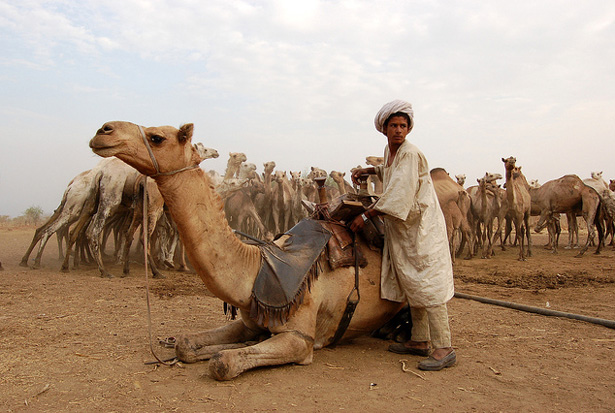
Sudan’s pastoralists gained infamy during the conflict in Darfur last decade, when outsiders described the violence as a result of competition between climate-stressed, semi-nomadic herders and sedentary farmers. But Sudan’s pastoralists may not be as fragile as previously thought and could even hold the key to survival for similar groups in Africa, said a panel of experts at the Wilson Center on November 13. [Video Below]
-
Beyond the Horizon: Understanding the Future for Better Development Today
›December 16, 2013 // By Kathleen Mogelgaard
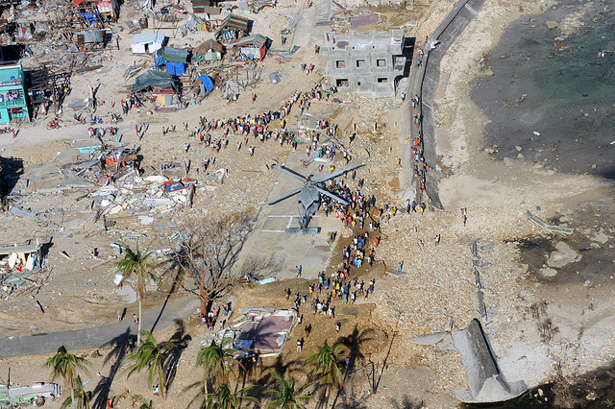
When Super Typhoon Haiyan ripped through the Philippines last month, the incredible damage visited on the people, infrastructure, and land was shaped by trends that have been in motion for decades. The country’s population has been growing rapidly, with high concentrations of people living in cities and along the coast; economic growth had been steady, but weak governance and corruption may have exacerbated vulnerability; and the gradual loss of coastal forests and mangroves left many communities exposed to the full brunt of the typhoon’s storm surge. On a positive note, wireless technology and crowd-sourced data helped in disaster response.
-
Torrent of Water and Questions Pour From India’s Himalayas
›We made the crossing at night from Chamoli, reaching Okund, a Himalayan foothill town after dark. The innkeeper, anxious for guests in a travel economy that came to a standstill in mid-June, cooked dal and nan bread for dinner and then showed us to a room that was unlit and unheated.
-
Gender Gaining Ground at Climate Change Negotiations
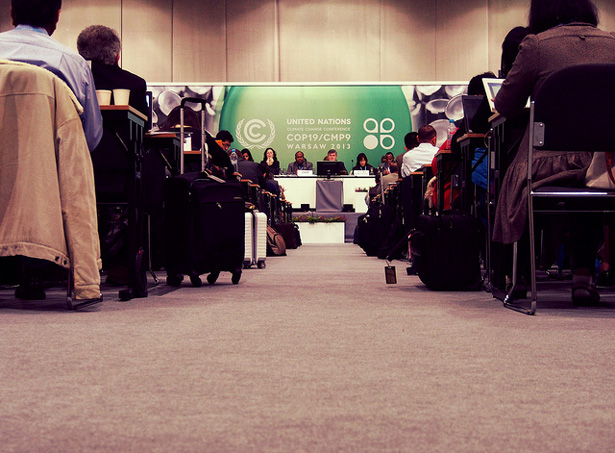
›Last month, more than 10,000 negotiators from 189 countries attended the latest UN climate change conference, known as the 19th Conference of the Parties, or COP-19, this year held in Warsaw. To many, COP-19 fell frustratingly short of its already low expectations: there were no significant new agreements and 132 developing countries along with many major non-government groups staged a walkout in protest. However, it was notable for several signs of continued progress in bringing women’s voices to the negotiating table.
-
More Than Local: How PHE Can Help Solve Humanity’s Biggest Problems
›“Leave enough for everyone.” That’s what my mother used to tell us at dinner. However, the holiday season reminds me that human nature is far from innately moderate in consumption. With Black Friday as a kickoff, consumers will spend more than $600 billion by Christmas in the United States alone. As I witness droves of shoppers running through malls and stores, I wonder if their desire is driven by some insatiable appetite for their favorite products or something more fundamental about human nature.
-
Anthropocene Visualized: Video Summarizes Key Findings of IPCC Fifth Assessment Report
›“Humanity is altering Earth’s life support system. Carbon dioxide emissions are accelerating; greenhouse gas levels are unprecedented in human history,” says a new video summarizing some of the most striking finds of the Intergovernmental Panel on Climate Change’s latest report. The climate system is changing rapidly, and it is “extremely likely,” the video quotes the IPCC, that humans are the central reason why.
-
Dark Forests: Interview With Bopha Phorn on Investigating Land Deals, Logging, Gender Issues in Cambodia
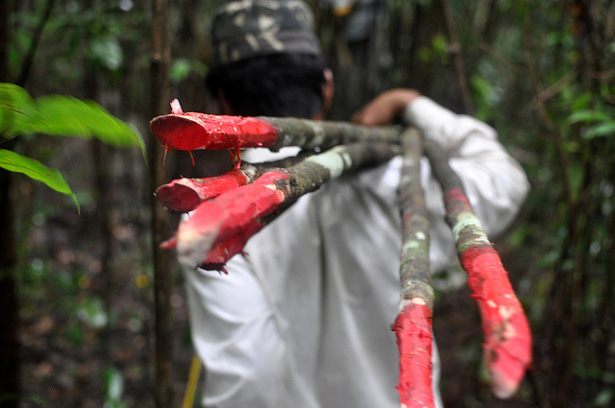
›Cambodia is a young democracy in transition. It has the highest rate of urbanization in Southeast Asia, but the lowest percentage of current urban dwellers and widespread poverty. The Mekong River, on which millions of rural Cambodians rely, is being dammed at a rapid pace, both upstream, beyond the country’s borders, and within. Aided by weak land laws, both foreign and domestic industrial forces have staked claim to large swaths of the country for logging and rubber plantations, displacing thousands.
-
Roger-Mark De Souza on Illuminating the Connections Between Population Dynamics, Resilience, Conflict
›“When you look at the resiliency literature, there’s very often discussion around population and population dynamics, but no one ever knows what to do with it,” says ECSP Director Roger-Mark De Souza in this week’s podcast.
Showing posts from category climate change.