-
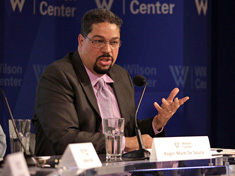
Roger-Mark De Souza: Integrated Development Shows Health, Population Dynamics Crucial for Resilience
›
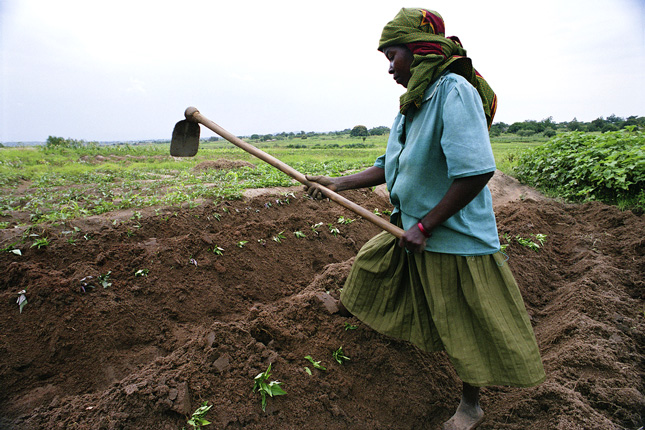
Resilience means different things to different people. For many in the international development and humanitarian communities, building resilience means responding to growing climate risks through disaster mitigation and planning. But for people like Birhani Fakadi, a 39-year old mother of 11 in rural Ethiopia, it also means access to reproductive health and family planning services, says ECSP’s Roger-Mark De Souza in this week’s podcast.
-
State of Population-Climate Change Research
›What is the future of population and climate change research, and how can this research impact international policy? In a special issue of Population and Environment, environmental and social scientists look at these questions. “One of the most exciting developments in the climate change research community at present is the development of a new generation of climate scenarios,” write Adrian C. Hayes and Susana B. Adamo in the introduction. These can help facilitate more interdisciplinary research. -
Why They Care: Reproductive Health Champions Spotlight Personal Connections to Development, Environment, More
›“Saving the planet depends on women achieving full human rights, and that begins with reproductive rights,” writes the Natural Resources Defense Council’s Frances Beinecke in a new set of essays on reproductive health published by the United Nations Foundation and the Aspen Institute.
-
Disaster Risk Reduction Important to Preserve Development Gains, El Niño May Becoming More Frequent, Powerful
›As climate change threatens more extreme weather, it is becoming more important to incorporate disaster risk reduction into poverty-reduction efforts, writes the Overseas Development Institute in a new report. The authors of The Geography of Poverty, Disasters, and Climate Extremes in 2030 argue that the hard-won gains of development are threatened by vulnerability among the poorest to climate change disasters, especially droughts. “Up to 325 million extremely poor people will be living in the 49 most hazard-prone countries in 2030, the majority in South Asia and sub-Saharan Africa,” write Andrew Shepherd et al. Using an index measuring the risk of a nation’s exposure to natural disasters as compared with a nation’s vulnerability to extreme poverty (income less than $1 daily), the report singles out 11 nations at high risk in both categories.
-
Earth Day 2014: Women at the Center of Sustainable Cities
›April 22, 2014 // By Roger-Mark De Souza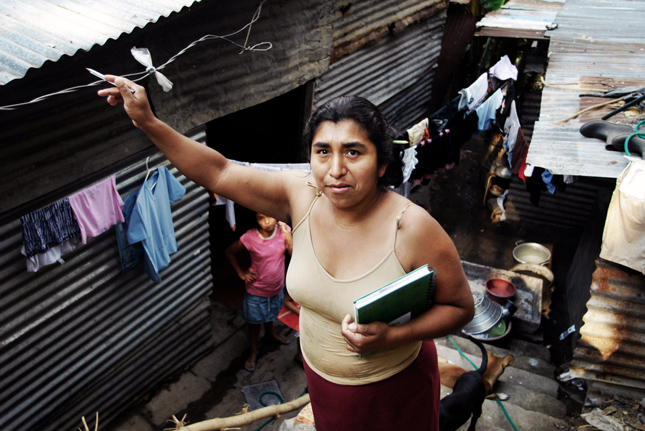
When I first came on board the Wilson Center last Earth Day, I wrote that I wanted to forge new paths and identify ways that reproductive health, environmental conservation, and women’s empowerment affect our lives today and in the future.
-
Not There Yet: Burma’s Fragile Ecosystems Show Challenges for Continued Progress
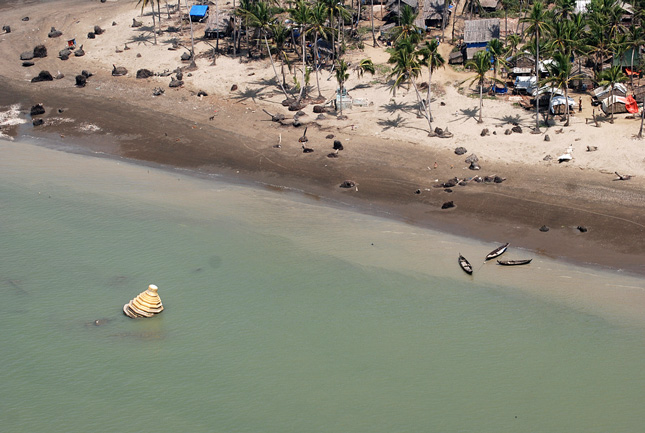
›Political and economic changes in Burma have been as rapid as they are surprising. In just three years, the country has gone from an isolated military dictatorship to a largely open country that is at least semi-democratic and has formally adopted a market economy. Both the European Union and the United States have eased economic sanctions, and dozens of foreign firms have moved in. Foreign direct investment increased by 160 percent in 2013 alone.
-
Lisa Palmer, Slate
Famine Is a Feminist Issue
›April 17, 2014 // By Wilson Center StaffIn 2013 the United Nations Population Division revised its population projections to show that population could grow even faster than previously anticipated, especially in Africa. Planning ahead for feeding a hot, hungry, teeming planet is both a numbers game and social venture. Calories, climate change, and acres of land are some of the factors on one side of the equation. The 7 billion people in the world, projected to grow to 9.6 billion by 2050, are on the other.
-
How Does the Media – and Public – Learn Environmental Science? Help Us Find Out
›Years ago, when I was a diplomatic correspondent at a large national magazine, if I encountered what I thought of as “science stuff,” I sent it to the science desk. I was busy covering foreign policy, wars, and ethnic and religious conflicts – not science. It was only when I took a new job focused on educating the U.S. media on a wide range of international issues that I began to discover the rich world I had overlooked, and see new links and connections.
Showing posts from category climate change.