-
Big Money, Big Politics, and Big Infrastructure: Florida’s Saga Illustrates Climate Change’s Deep Challenges
›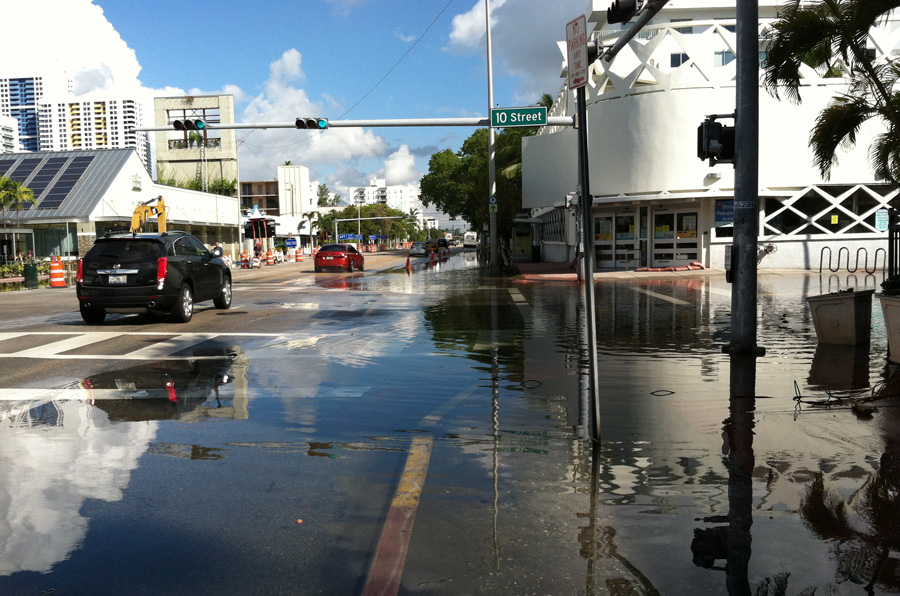
Investigative journalists reported earlier this month that top appointees at Florida’s Department of Environmental Protection and other state agencies ordered employees not to use the terms “climate change” or “global warming” in official communications. Politically coded euphemisms such as “climate drivers” and “climate variability” were to be used instead. “Sea-level rise” was to be replaced with “nuisance flooding.” The news swiftly went viral, with commentators noting the irony of such censorship occurring in Florida – essentially ground zero for climate change in the Global North.
-
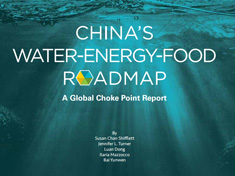
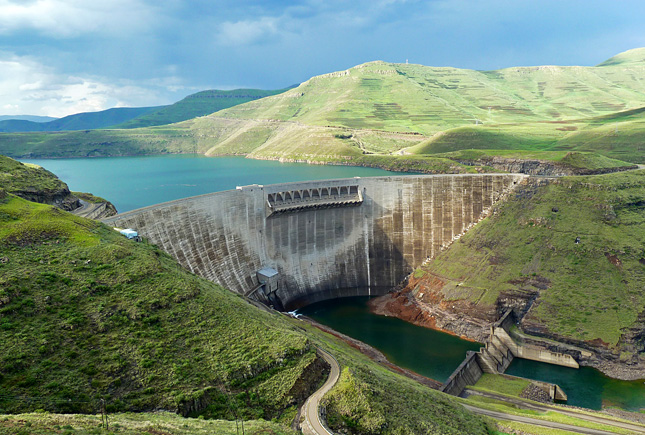
China’s Water-Energy-Food Roadmap: A New Global Choke Point Report
›
The creation of a water-energy research initiative in the landmark U.S.-China climate agreement last fall could be the beginning of a new and different path for Sino-U.S. collaboration.
-
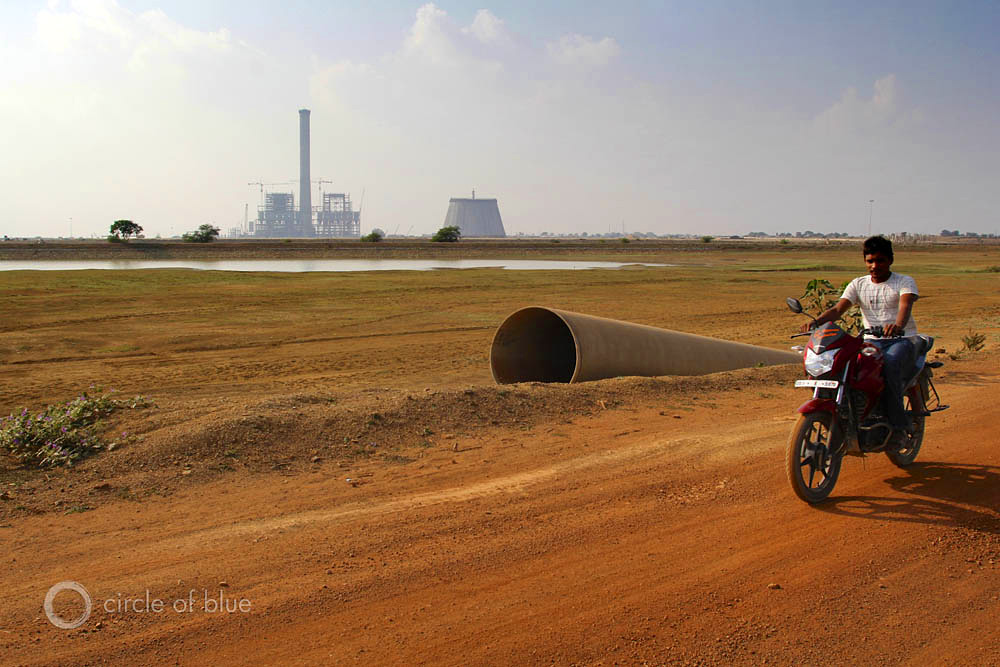
What Can Be Done to Strengthen India’s Natural Resource Management? [Part 2 of 2]
›For two years, the Wilson Center and Circle of Blue have explored the contest for food, water, and energy in India and the troubling ways it plays out across the country. In part one of this series outlining our findings, we explained the basics of India’s natural resource management choke point.
-
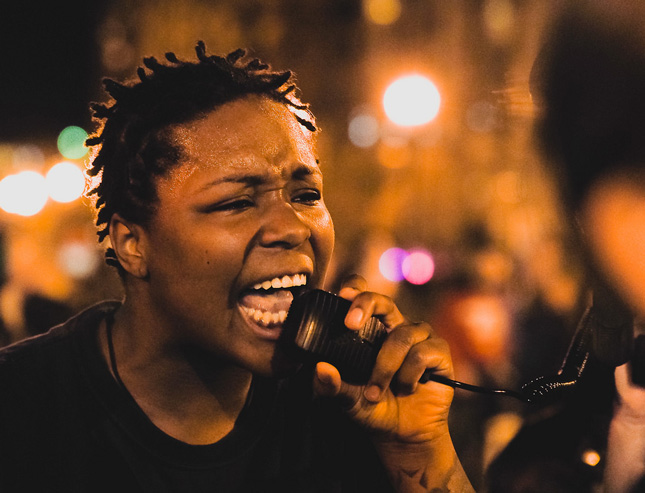
Heat and Hotheads: The Effect of Rising Temperatures on Urban Unrest
›When the first wave of protests erupted in Ferguson, Missouri, following the shooting of Michael Brown in August 2014, it looked as if unrest might spread to other American cities, echoing the “long hot summers” of 50 years before.
-
Tom Staal on How Resilience Changes the Way USAID Works
›When it comes to international development, a resilience framework is key, says Tom Staal, acting assistant administrator of the Bureau of Democracy, Conflict, and Humanitarian Assistance at USAID, in this week’s podcast.
-
World Water Day: A Wellspring for Sustainable Development
›This year’s World Water Day is taking on a broader theme than years past: sustainable development. The theme makes sense as two major international processes – the drafting of the Sustainable Development Goals to replace the Millennium Development Goals, and the most anticipated UN Climate Summit in years – are taking place in 2015. Decisions made over the next nine months will play a huge role in relationships between nations and global development priorities going forward.
-
SAM EATON, PRI’S THE WORLD
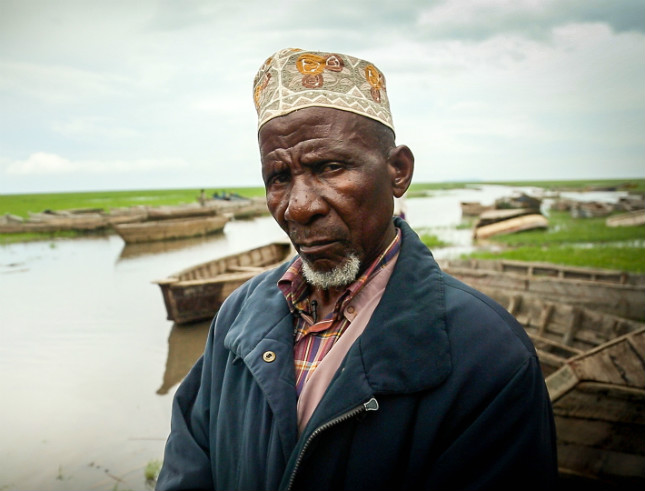
In Malawi, Attitudes Toward Family Planning Shift After Flooding, Hunger
›March 18, 2015 // By Wilson Center StaffFor two villages in southern Malawi, climate change and contraception have become intertwined. So much so, that long-held cultural assumptions are starting to change.
-
A Quick Video Tour of How We Got to 7 Billion and Where We’re Going Next
›Hans Rosling has always been an innovator when it comes to bringing big ideas to big audiences. The Norwegian doctor, statistician, and co-founder of the Gapminder Foundation has become known – to the kind of people who watch TED Talks anyway – for lively presentations aimed at demystifying common ideas about global development and demography. On Gapminder.org, he literally stands chest-high in water appealing for your donation to help him “cross the river of myths.”
Showing posts from category climate change.