-
A New Climate for Peace: Taking Action on Climate and Fragility Risks (Report Launch)
›
As momentum builds towards the negotiation of the Sustainable Development Goals and UN climate change summit later this year, the G7 countries – France, Germany, Italy, Japan, Canada, the UK, and the United States – have made a strong statement about the importance of climate security risks. A New Climate for Peace: Taking Action on Climate and Fragility Risks, an independent report commissioned by G7 foreign ministers and authored by a consortium of international organizations including the Wilson Center, analyzes the security and stability risks posed by climate change and offers concrete policy options for addressing them. [Video Below]
-
Karachi’s Heat Wave a Sign of Future Challenges to Pakistan’s Fragile Democracy
›Karachi, the world’s second largest city by population, is emerging from the grips of a deadly heatwave. A persistent low pressure system camped over the Arabian Sea stifled ocean breezes and brought temperatures in excess of 113°F (45°C) to the city of 23 million people in June. The searing heat disrupted electricity and water service, making life nearly unbearable. All told, officials estimate the heatwave killed at least 1,200 Pakistanis, more than twice as many as have died in terrorist attacks this year.
-
Water Scarcity Could Prevent Fracking From Spreading Into Northern Mexico
›
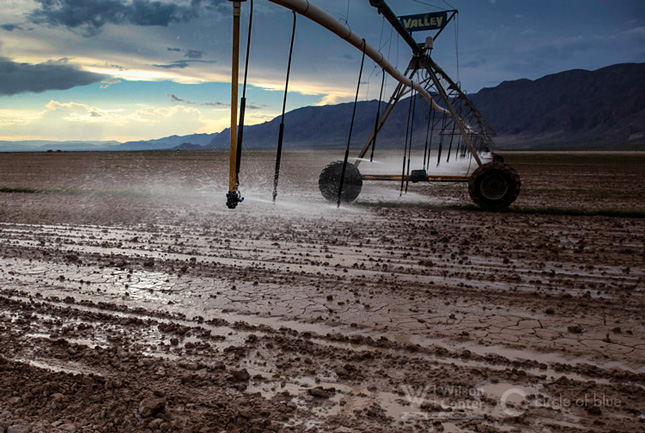
Before world oil prices collapsed late last year, shop owners closest to the banks of the Rio Grande River in Piedras Negras joked that they could hear the groans of Texas drilling rigs advancing toward their fast-growing northern Mexico city.
-
The Lancet Commission’s Latest Findings on Climate Change, Health, and Policy Responses
›July 1, 2015 // By Francesca Cameron“Tackling climate change could be the greatest global health opportunity of the 21st century,” asserts the newest report by the Lancet Commission on Health and Climate Change.
-
Pope Francis’ Encyclical Calls for Integrated Development – Just Don’t Say “Reproductive Health”
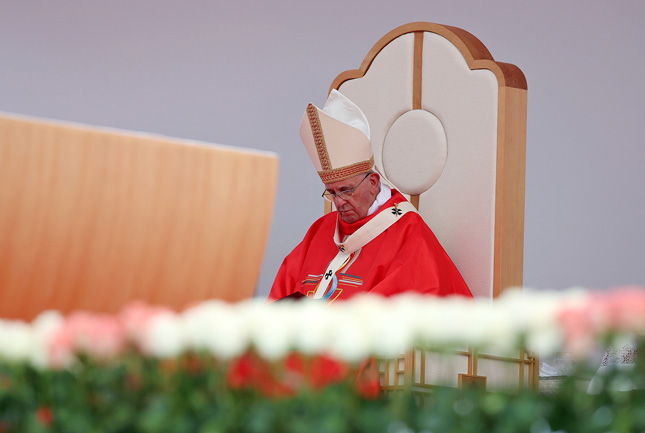
›Pope Francis sparked worldwide discussion and jubilation among many green advocates after releasing Laudato Si, the first Papal encyclical to focus directly on the environment. The pontiff touched on everything from pollution and sustainable development, to anthropogenic climate change and water security in his 180-page missive.
-
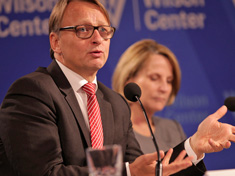
Lukas Rüttinger, Adelphi
Thailand and Sri Lanka Show How Disasters Can be Catalysts of Fragility or Opportunities for Peace
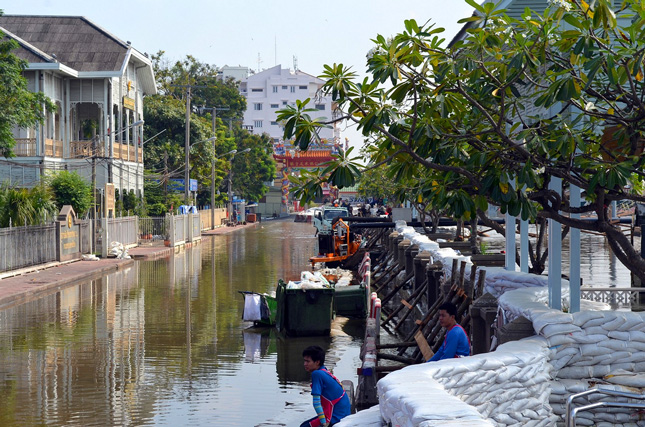
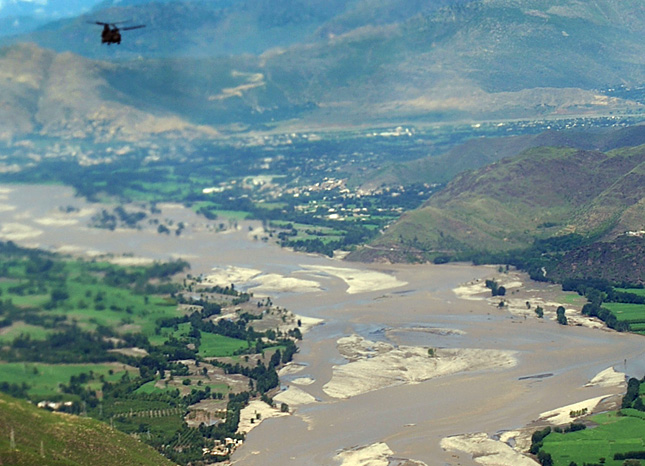
›June 26, 2015 // By Wilson Center StaffIn 2011 Thailand was hit by unprecedented monsoon rains far above the average rainfall of the previous 30 years. Two million people across 26 provinces were affected. During the crisis, hundreds of civilians took it to the streets to protest discrimination by the Flood Response Operation Center and the unfair distribution of water, electricity supply, shelter, and food. Civilians were so angry that they broke a sandbag wall in Bangkok which was protecting a wealthy district from water surges. Public unrest and discontent with the government continued until a military coup in 2013.
-
Alexander Carius: To Promote Cross-Sectoral Collaboration, Put Resilience at the Forefront
›With dangerous levels of climate change already in the pipeline, countries across the world are tasked with adapting to a drastically changing Earth. The Wilson Center and a consortium of international partners recently released an independent report commissioned by the G7 that examines the risks to stability from climate change.
-
De Souza: In Era of Man, Demography Needs to be Part of Environmental Security Discussion
›A new article from the Wilson Center’s own Roger-Mark De Souza explores how population trends can bolster community resilience in the face of climate change and other security threats. De Souza argues that demographic trends such as age structure help determine how well a population is able to respond to and bounce back from shocks, especially environmental ones like drought and famine.
Showing posts from category climate change.