-
Lisa Palmer, The Guardian
India’s Climate Tech Revolution Is Starting in its Villages
›October 16, 2015 // By Wilson Center Staff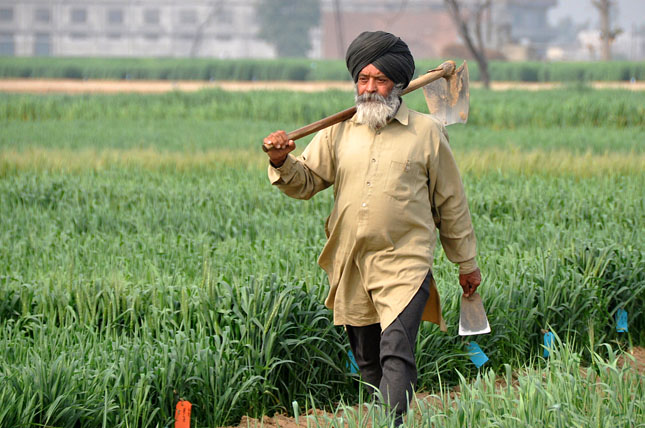
Camels pulling wooden carts loaded with coconuts plod down the main road amid speeding motorcycles, buses, rickshaws, and cars. Farmers sit atop slow-moving oxcarts loaded with grasses and other cattle feed. In this region of central Gujarat, India, it appears that rural life has not changed for decades.
-
Climate Change Adaptation and Population Dynamics in Latin America and the Caribbean (Report)
›
Global climate trends indicate that our planet will continue warming into the next century, leading to more extreme climate conditions. The Latin America and Caribbean region is vulnerable to some of the most challenging aspects of climate change – sea-level rise, changes in precipitation, glacial melting, spreading of disease, and extreme weather events.
-
Ken Conca, The Guardian
A Healthy Environment Is a Human Right
›October 6, 2015 // By Wilson Center StaffFor all its flaws, the United Nations remains the only plausible forum for engaging broad global challenges like sustainable development. The most important environmental achievements of the past 40 years – the rise of environmental awareness, the birth of key ideas such as sustainability or the common heritage of humanity and the most important global treaties for environmental protection – all bear the UN stamp in one way or another. We could have added environmental human rights to that legacy last month, but we failed.
-
Climate Data Can be Critical in Fragile and Conflict-Affected States – Here’s How to Get It
›October 5, 2015 // By Schuyler NullWhen war breaks out, what happens to the weather forecast? Violent conflict disrupts many essential services in developing countries and one of the most overlooked is meteorology, which has surprisingly big consequences for farmers, policymakers, and the aid workers who are there to help.
-
China’s Cap-and-Trade System a Crucial Weapon in “War on Pollution,” Says Jennifer Turner
›The announcement in Washington on September 24 that President Xi Jinping is committing China to a national carbon trading system is the latest step in an important partnership between the two biggest carbon emitters in the world.
-
Ruth Greenspan Bell, Foreign Affairs
What Will It Take to Break the Climate Gridlock? Learning From Iran and Cuba
›September 29, 2015 // By Wilson Center StaffUnited States President Barack Obama invested four years and his top diplomats in containing Iran’s nuclear capabilities. He did this because an armed Iran is an existential threat to its neighbors, its region, and the world. Obama’s efforts in the talks stand in marked contrast to those geared toward addressing an even bigger and longer-term existential threat – containing climate change. The conditions that allow humans to survive, evolve, and thrive on earth are being compromised; radical changes in the climate promise a very uncertain future.
-
Andrew Revkin, Dot Earth
As Pope Francis Meets America, a Climate Science Scholar Offers a Fresh View of the Encyclical
›September 23, 2015 // By Wilson Center StaffAs Pope Francis gets into high gear on his visit to the United States, it’s worth reviewing details and contexts in the extraordinary message to Catholics and the rest of the planet in “On Care for Our Common Home,” the encyclical he issued earlier this year.
-
From Gaza to the Euphrates, Alarm Bells for Mideast Water Resources
›The board of the United Nations’ lead organization on trade and development, called UNCTAD, released an assessment of Gaza’s development challenges during their annual meeting in Geneva this month and the news is not good. In 2012, the UN warned that a “herculean” development effort would be to keep pace with Gaza’s rapid population growth. Since then, more fighting with Israel has made things worse, particularly with regard to water and food security. Ninety-five percent of the water from Gaza’s coastal aquifer is unsafe for drinking without treatment, the report says. Contamination and over-extraction may even render it unusable by next year and damage may be irreversible if not addressed in the next five years.
Showing posts from category climate change.