-
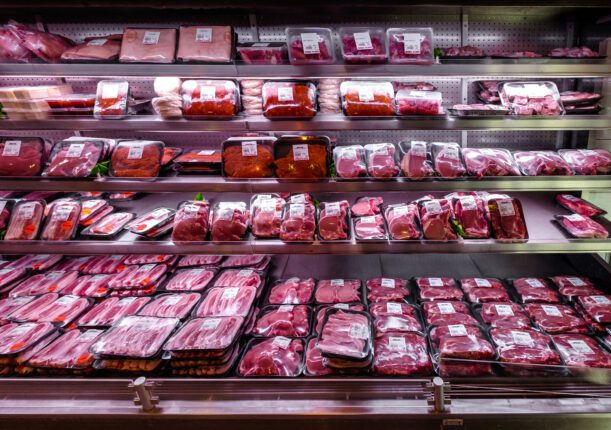
Time to Reconsider Rationing?
›
As public policymakers and NGO advocates around the world meet in Baku for COP29, the urgency of the climate crisis grows ever more pressing. Yet hopes that the targets and commitments will lead to meaningful policy action have contended with persistent national and global inaction on climate change mitigation and adaptation.
-
ECSP Weekly Watch | November 12 – 15
›
A window into what we’re reading at the Wilson Center’s Environmental Change and Security Program
Shell Wins Appeal to Overturn Landmark Emissions Ruling (Al Jazeera)
Three years ago, a court in the Netherlands ruled in favor of environmentalists and required energy giant Shell to drastically reduce its greenhouse gas (GHG) emissions. The decision would compel the company to cut the absolute carbon emissions it created in 2019 by 45% by the year 2030—including emissions caused by its products. This ruling was the first of its kind by requiring companies to adhere to the Paris Agreement, and it ignited further attempts by climate activists to take legal measures against other fossil fuel companies.
-
The Arc | Indigenous and Community Power: Localizing Climate Action
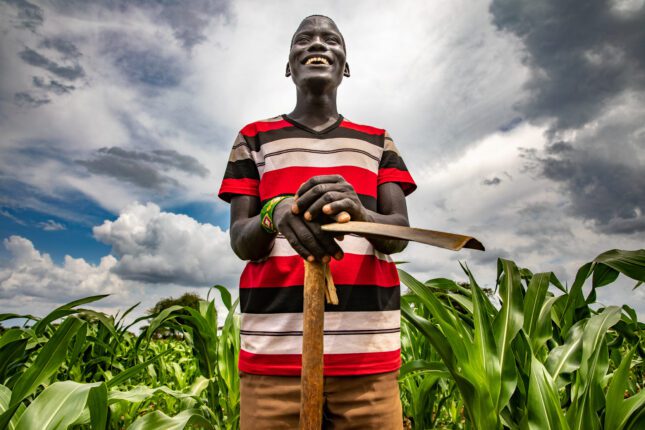
›In today’s episode of The Arc, we are featuring a panel discussion on climate action through Indigenous and community power from the Forum on Advancing Inclusive Climate Action in Foreign Policy and Development, hosted by the Wilson Center in collaboration with the White House and USAID’s Bureau for Humanitarian Assistance, with support from the USAID Climate Adaptation Support Activity. -
New Tool Offers Key Insights for Tackling Climate and Conflict Challenges
›When the White House released the US Framework for Climate Resilience and Security in September 2024, it was an important opportunity to highlight the significant impacts of climate change on US national security, economic, and strategic interests. The Framework also emphasized the need for tailored approaches in fragile, conflict-affected, and vulnerable (FCV) contexts, particularly in managing and allocating resources, as well as ensuring that climate finance addresses conflict drivers.
-
The Story Behind Climate Security and What it Means for US Foreign Policy
›Hurricanes Helene and Milton battered the southeastern US in September and October and caused a combined estimate of $300 billion in damages. These storms were only the latest example of a cascade of disasters that is expected to worsen as climate change intensifies. Yet the impacts do not stop at dollars and human lives. Threats to security and stability also will multiply as rising temperatures increase the variability of rainfall patterns and the intensity of storms.
-
ECSP Weekly Watch | November 4 – 8
›A window into what we’re reading at the Wilson Center’s Environmental Change and Security Program
Can Fighting Smog Be a Bridge in India-Pakistan Relations? (Al Jazeera)
The Swiss group IQAir has compiled and analyzed data from 14 regional monitoring stations and declared Pakistan’s capital Lahore to be the world’s most polluted city. Last Wednesday, for instance, Lahore’s air quality index (AQI) score was 1165, which then increased in a staggering fashion to 1900 AQI by the following Monday. India’s capital, New Delhi, was a close second for most-polluted city in the same survey, however. This cross-border pollution issue now has led government officials in both countries to reignite stagnant relations to pursue solutions.
-
China’s Offshore Wind Blows Away the Competition, For Now: Q&A with Trivium China’s Cosimo Ries
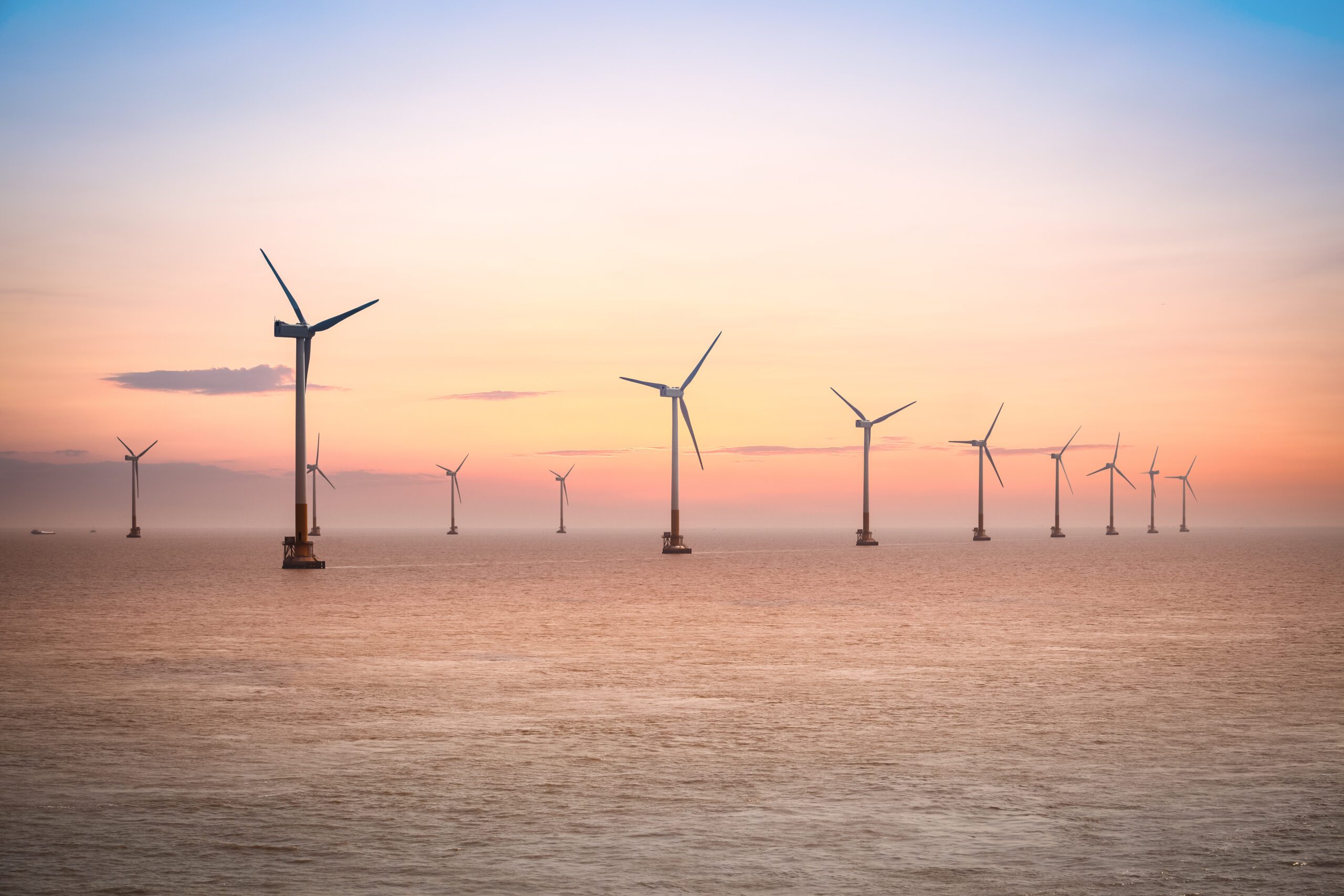
›China and the Global Energy Transition // China Environment Forum // November 7, 2024 // By Man-Hsuan Lin“The size and power output of China’s new offshore wind turbines are remarkable. We are talking about turbines almost 200 meters tall, with blades spanning the length of a football field. The amount of electricity they can generate is staggering.” enthused Cosimo Ries from Trivium China, who is a clear “fan” of offshore wind. And China’s turbines are getting bigger. The Dongfang Electric Corporation just rolled the world’s largest single-capacity offshore turbine (26MW) off the production line in Fujian Province this October.
-
Finding a Place for “The Planetary?”
›One of academia’s latest buzz phrases is “the planetary.” While it may seem on the surface to lack a clear connection with climate security, a closer inspection suggests that this term does have significant relevance to discussions about this key concept.
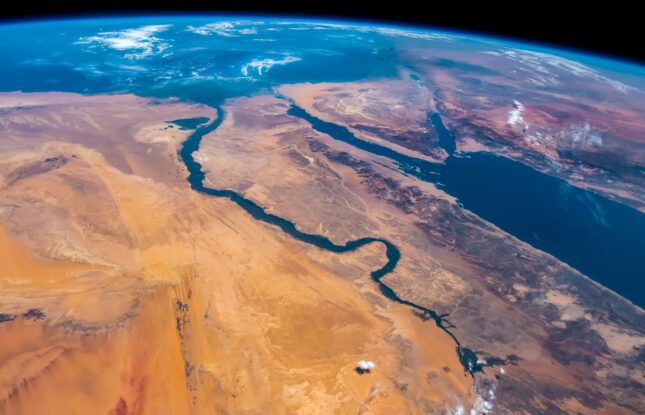
Use of “the planetary” is an attempt to compel people to think much more carefully about the current human condition. The climate crisis—as well as the extinction event we are living through—are challenging contemporary notions that humans are somehow separate from nature. In short, a relatively stable world in which our infrastructure, economies, and modes of thinking remain rooted is no longer a useful construct.
Showing posts from category climate change.
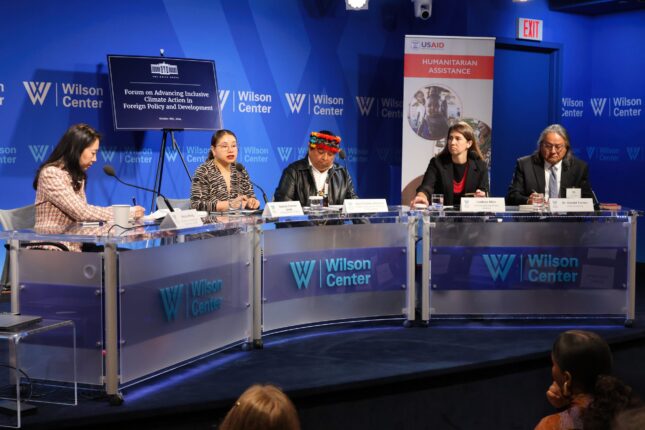 In today’s episode of The Arc, we are featuring a panel discussion on climate action through Indigenous and community power from the Forum on Advancing Inclusive Climate Action in Foreign Policy and Development, hosted by the Wilson Center in collaboration with the White House and USAID’s Bureau for Humanitarian Assistance, with support from the USAID Climate Adaptation Support Activity.