-
A New Generation of Family Caregivers Emerges During the Pandemic
›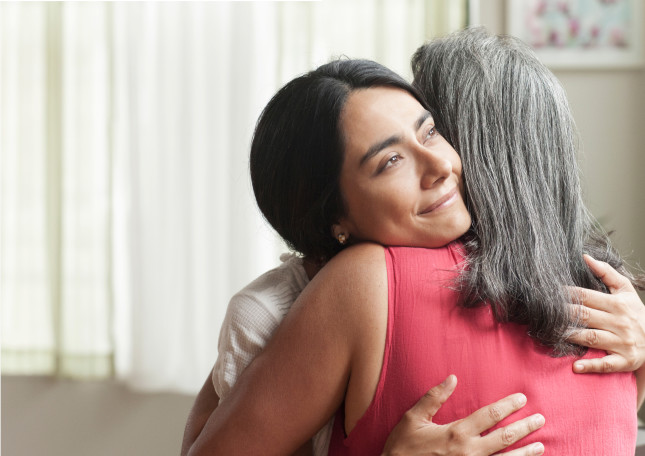
The population of unpaid family caregivers is shifting, and the pandemic has accelerated that change. One in five carers became caregivers for the first time during the pandemic, according to the Embracing Carers Global Carer Well Being Index®. A disproportionate share of these new carers were Gen Z or millennial (less than 38 years old). And 25 percent were caring for children and a sick/aging parent or grandparent.
-
The Cost of Care: How the COVID-19 Pandemic Has Exacerbated the Baby Bust
› The decision to have a child usually requires a feeling of stability and confidence in the future, says Natascha Braumann, Director of Global Government and Public Affairs for Fertility at EMD Serono, on this week’s episode of Friday Podcasts. But with COVID-19, especially in the first months of the pandemic, there was no feeling of stability. “No one knew what was going to happen.”
 -
A Dangerous Dichotomy: Women’s Paid and Unpaid Work During COVID-19
›“While the global crisis has increased demand for research, such opportunities have created inequalities and distortion in the scientific community,” write the authors of a recent Social Science Research Network (SSRN) study that examines the gendered impact of COVID-19 in academia. The study finds that COVID-19 has disproportionately penalized the scientific productivity of female academics.
-
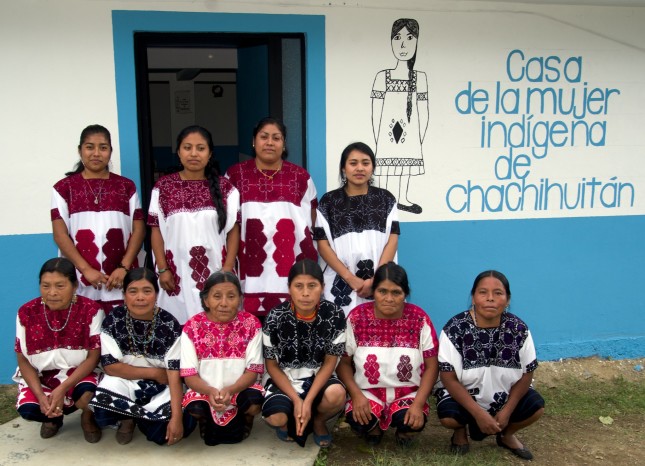
Knowledge Keepers: Why We Need Indigenous Midwives
›“We need more Indigenous midwives,” said Claire Dion Fletcher, an Indigenous Potawatomi-Lenape Registered Midwife and co-chair of the National Aboriginal Council of Midwives (NACM), at a recent Wilson Center event with the United Nations Population Fund (UNFPA) and the International Confederation of Midwives about Indigenous midwifery. Globally, Indigenous women experience worse maternal health outcomes than non-Indigenous women. In the United States, risk of maternal death is twice as high for Native women than white women, while in Australia the risk is four and a half times higher.
-
A National Reckoning: Highlights From A Conversation with Congresswoman Alma Adams
›“I believe that we’re experiencing a national reckoning and in this unique moment, I definitely see an opportunity for Congress, but also for our local governments to enact policies that begin to address our country’s greatest ills,” said Representative Alma Adams (D-NC-12) at a recent Wilson Center event on women, race, and COVID-19 in the United States. “COVID-19 has revealed what the Black community and communities of color have known for a long time—health outcomes are further compounded by systemic and structural racism. COVID-19 has exposed what women have known for a long time—gender inequality exists, it threatens economic empowerment, and it increases vulnerabilities.” -
Women, Race, and COVID-19: A Conversation with Representative Alma Adams
›“The pandemic has shown us in the starkest terms how wide the gaps are in health outcomes between Black and White America and between men and women,” said Representative Alma Adams (D-NC-12) at a recent Wilson Center event on women, race, and COVID-19 in the United States. “COVID-19 has revealed what the Black community and communities of color have known for a long time, health outcomes are further compounded by systemic and structural racism,” said Rep. Alma Adams. And COVID-19 has exposed what women have known for a long time. Gender inequality exists, it threatens economic empowerment, and it increases vulnerabilities.
-
Non-Communicable Diseases and COVID-19: A Conversation With Dr. Belén Garijo and Dr. Felicia Knaul
›“NCDs have raised the risk of and the severity of the COVID-19 infection,” says Dr. Belén Garijo, Executive Board Member and CEO of Healthcare at Merck KGaA Darmstadt, Germany, in this week’s Friday Podcast. Women living with NCDs like cardiovascular disease, hypertension, cancer, mental health disorders, multiple sclerosis, and diabetes, have an increased risk of severe complications and death from COVID-19. “When you take a look at the mortality rate for one million inhabitants, you see a lot of diversity, and what has been consistent amongst all the countries is the association between severity of the infection and underlying diseases,” says Garijo. -
The Unseen Side of Pregnancy: Non-Communicable Diseases and Maternal Health (New Report)
›Around the world, approximately 18 million women of reproductive age die each year because of non-communicable diseases (NCDs), and two in every three deaths among women are due to an NCD. In fact, NCDs have been the leading cause of death among women globally for at least the past 30 years. And yet, women’s specific needs are often excluded from conversations about NCDs. They are underrepresented in clinical research and the effect of NCDs on women in particular is rarely considered. NCD-related symptoms during pregnancy are commonly misinterpreted or dismissed by clinicians.
Showing posts from category caregiving.
 The decision to have a child usually requires a feeling of stability and confidence in the future, says Natascha Braumann, Director of Global Government and Public Affairs for Fertility at EMD Serono, on this week’s episode of Friday Podcasts. But with COVID-19, especially in the first months of the pandemic, there was no feeling of stability. “No one knew what was going to happen.”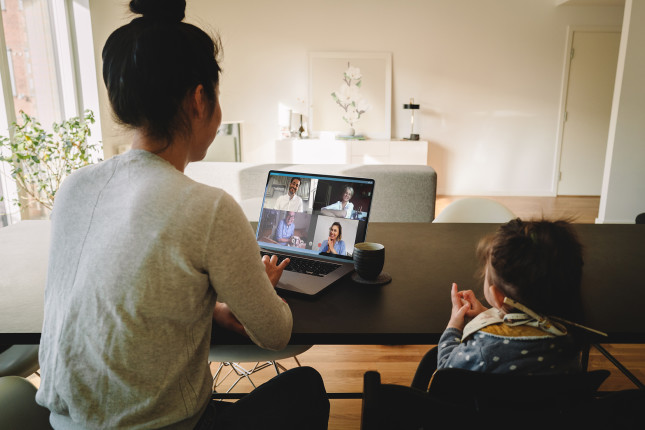
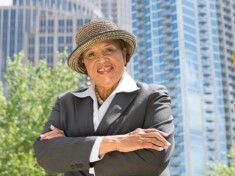 “I believe that we’re experiencing a national reckoning and in this unique moment, I definitely see an opportunity for Congress, but also for our local governments to enact policies that begin to address our country’s greatest ills,” said Representative Alma Adams (D-NC-12) at a recent Wilson Center event on women, race, and COVID-19 in the United States. “COVID-19 has revealed what the Black community and communities of color have known for a long time—health outcomes are further compounded by systemic and structural racism. COVID-19 has exposed what women have known for a long time—gender inequality exists, it threatens economic empowerment, and it increases vulnerabilities.”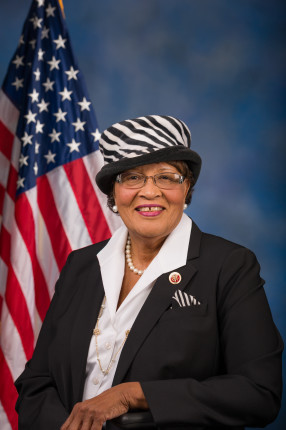
 “NCDs have raised the risk of and the severity of the COVID-19 infection,” says Dr. Belén Garijo, Executive Board Member and CEO of Healthcare at Merck KGaA Darmstadt, Germany, in this week’s Friday Podcast. Women living with NCDs