-
Environmental Security Weekly Watch: December 1-5, 2025
›
A window into what we’re reading at the Stimson Center’s Environmental Security Program
Deforestation and Flooding Turns Fallen Timber into Projectiles in Indonesia (The New York Times)
When Cyclone Senyar struck in late November, its death toll numbered 800 people across Indonesia, Malaysia, and Thailand. The Indonesian island of Sumatra saw a particular sort of damage as the storm unleashed sixteen inches of rain in parts of the island, wiped out four villages, and triggered flash floods and landslides. Decades of razing and converting natural forests into palm oil plantations, pulpwood farms, and gold mines drastically increased the region’s vulnerability to floods and landslides to the point that timber was transformed into projectiles that destroyed residences and infrastructure.
-
China Taps Indonesia’s Solar Potential
›China and the Global Energy Transition // China Environment Forum // Guest Contributor // December 3, 2025 // By Karen Teo
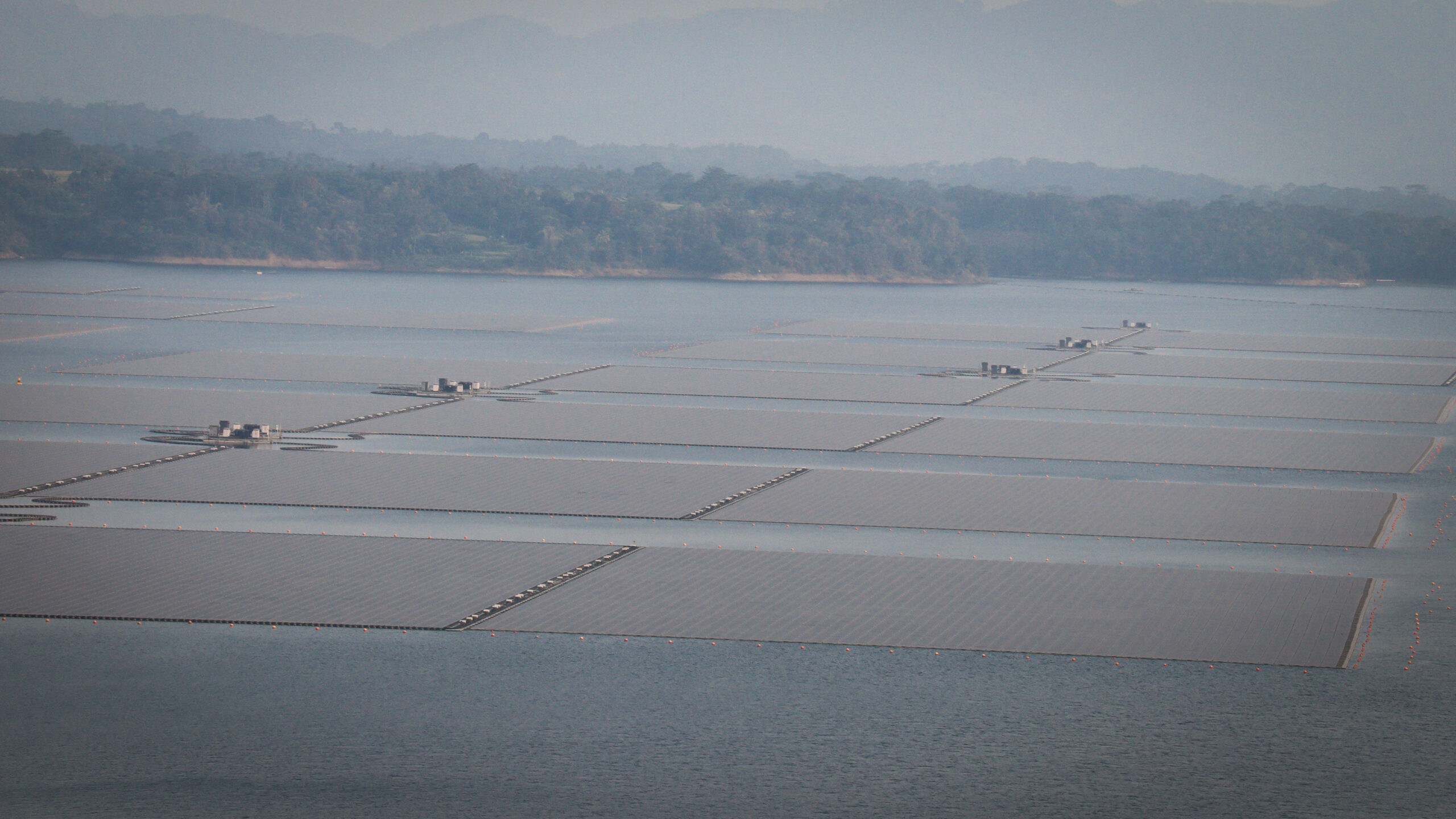
In late 2023, Indonesia’s then President Joko Widodo presided over the launch of the country’s first floating solar power plant on the Cirata reservoir in West Java. Widodo touted how at 192MW it was “the largest floating solar plant in Southeast Asia.” He added the solar plant could eventually reach 500MW, generating enough electricity to power over 100,000 households in Indonesia. This floating powerhouse, made up of 300,000+ Chinese-built PV panels stretching 250 hectares on the water, has become the poster child for Indonesia’s commitment to going solar.
-
What Asia Can Learn from Ukraine’s Quest for Energy Security
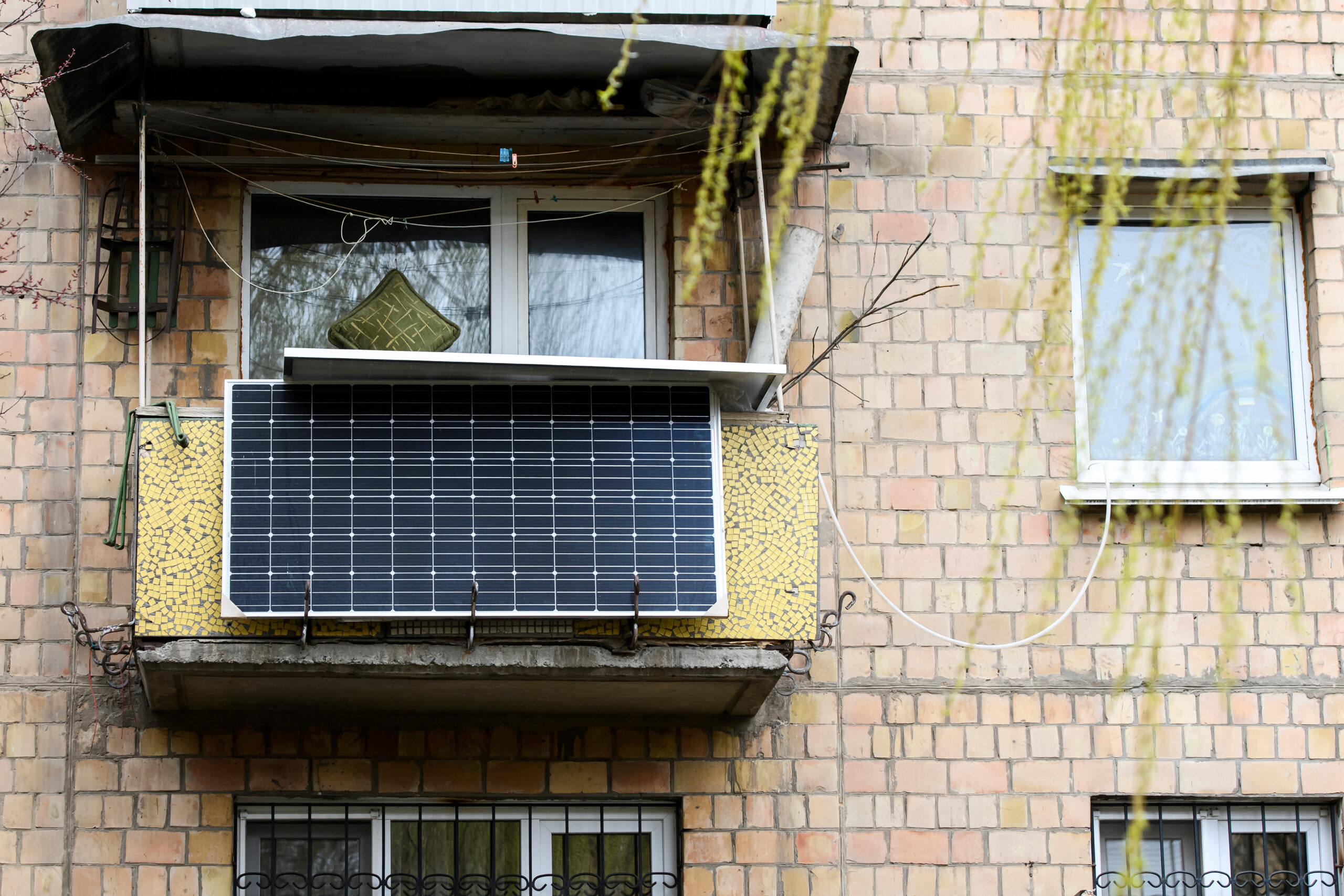
›Within a month of escalated Russian airstrikes on its energy systems in October, Ukraine secured U.S. liquified natural gas (LNG) imports via Greece for the coming winter. While this deal demonstrated both the nation’s rapid wartime agility and capacity for energy diversification, it is only one part of a broader transformation of Ukraine’s energy future.
-
In the Blindspot: Security and Chinese EV Exports to the Global South
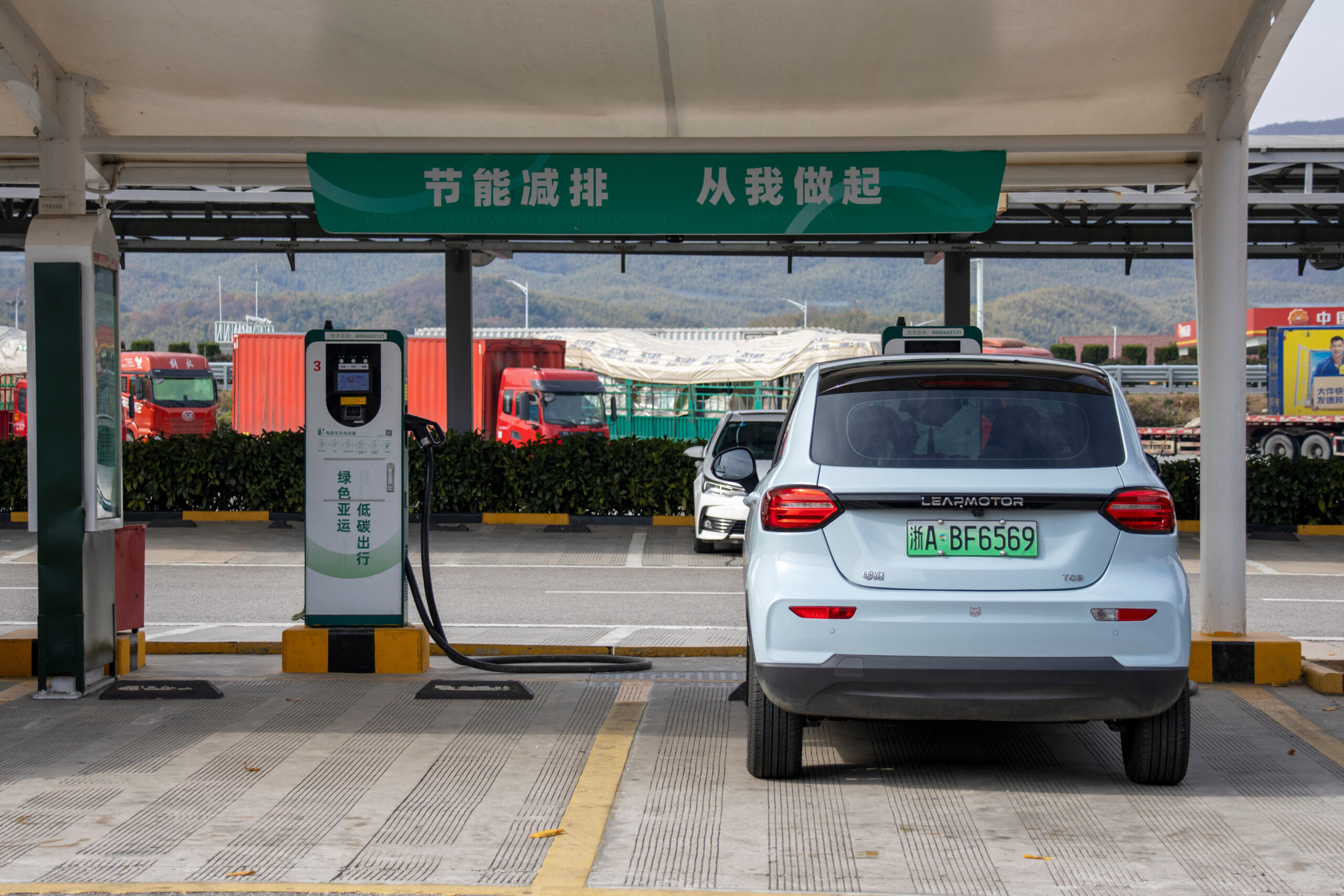
›The most persuasive argument for global EV adoption is the positive impact that these vehicles have for the environment. A scientific consensus has emerged around the benefits of electric vehicles and their zero tailpipe emissions, ranging from local air quality improvement to increased energy efficiency.
-
Environmental Security Weekly Watch: November 10-14, 2025
›A window into what we’re reading at the Stimson Center’s Environmental Security Program
Rising Food Insecurity is Driving Instability (Foreign Affairs)
Since 2020, the number of people facing acute hunger and chronic food insecurity has increased 130% above existing levels. And supply is not the issue. At present, the world produces enough food to feed nearly 10 billion people, yet there are 720 million people who are food insecure and a further 319 million face acute hunger. Today’s hunger is driven instead by barriers to access.
-
Environmental Security Weekly Watch: November 3-7, 2025
›A window into what we’re reading at the Stimson Center’s Environmental Security Program
Corruption Stymies Environmental Crime Fight in the Amazon (Mongabay)
In the Andean Republics, rampant systemic judicial corruption has challenged the entire justice system, with judges implicated in both bribery and extortion. Because leadership from judges is essential for the success of reform efforts ranging from anti-corruption campaigns to environmental crime enforcement, the result has been damaging to the entire justice system in the region for more than a decade.
-
Environmental Security Weekly Watch: October 27-31, 2025
›A window into what we’re reading at the Stimson Center’s Environmental Security Program
Revisions to Indonesian Law Promote Unregulated Mining (The Diplomat)
Since gold was discovered in 2011 on Mount Botak in Indonesia, thousands of miners have flocked to the area without official permits. It is an influx which has transformed this northeastern region from an agricultural center into a hub of small-scale, unregulated mining. Uncontrolled use of mercury and cyanide has severely polluted local rivers, with mercury levels in the Waekase River reaching 0.05 mg/L—or 50 times the WHO’s safety threshold. Yet despite the government’s move to close the mine in 2015, illegal activity continues. Ineffective law enforcement has caused ecosystem destruction, public health threats (including neurological disorders and kidney damage) and deadly conflicts between residents.
-
Environmental Security Weekly Watch: October 20-24, 2025
›US Resistance Delays Vote on Shipping Decarbonization Rules (Mongabay)
The International Maritime Organization (IMO) has voted 57-49 to postpone the adoption of the “net-zero framework” until October 2026. As the shipping sector’s first binding deal on global greenhouse gas emissions, the agreement would have established progressively stricter intensity limits starting in 2028. The framework also imposed substantial fees for noncompliance, with high emitters facing up to $1.5 million in additional annual fees by 2035 that could raise fuel costs by roughly 20%. Low-emission vessels would be rewarded with tradable carbon allowances.
Showing posts from category *Blog Columns.