-
Sam Loewenberg, The New York Times
Learning From Failure
›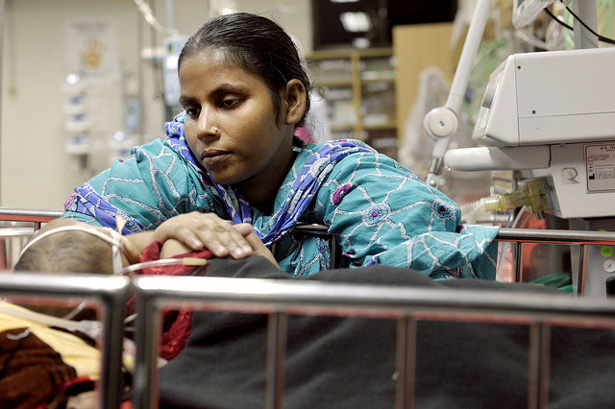
The original version of this op-ed, by Sam Loewenberg, appeared in The New York Times.
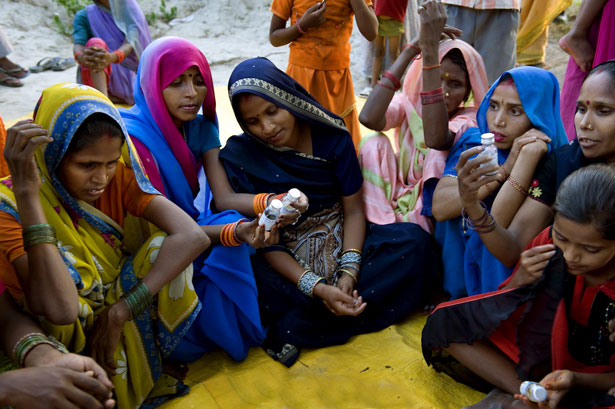
Americans love success stories. Go to the web sites of the United States Agency for International Development, the Bill and Melinda Gates Foundation, or a plethora of global health and development organizations, and you’ll find articles, charts, and videos documenting their triumphs and innovations, with the promise of more on the way.
-
Top 10 Posts for January 2013
›December and January were busy months. The U.S. National Intelligence Council released their latest quadrennial Global Trends Report, we saw a progress report on USAID’s Feed the Future Initiative, and Typhoon Bopha showed why developing countries are so vulnerable to climate change. Laurie Mazur also responded to Blair A. Ruble’s Wilson Center policy brief on 21st century urbanization with a look at how sustainable cities really are, and we heard from Ethiopia’s PHE community about the challenges of project monitoring and evaluation. Some past-year favorites emerged again as well, with Yemen’s demography, a look at Mongolia’s mining boom, and a great map of the world’s exclusive economic zones.
-
Setting Development Goals for Population Dynamics and Reproductive Rights
›
“I’d like to start by stating emphatically that since addressing global inequality and inequity are our overall principles in revising the MDGs [Millennium Development Goals], we must focus on health inequities to have a meaningful and lasting impact on human development,” said Beth Schlachter of the State Department’s Bureau of Population, Refugees, and Migration, speaking at the Wilson Center on January 9. “And for the most vulnerable – women and girls – that means we must focus on sexual and reproductive health and reproductive rights.” [Video Below]
-
Planning for Complex Risks: Environmental Change, Energy Security, and the Minerva Initiative
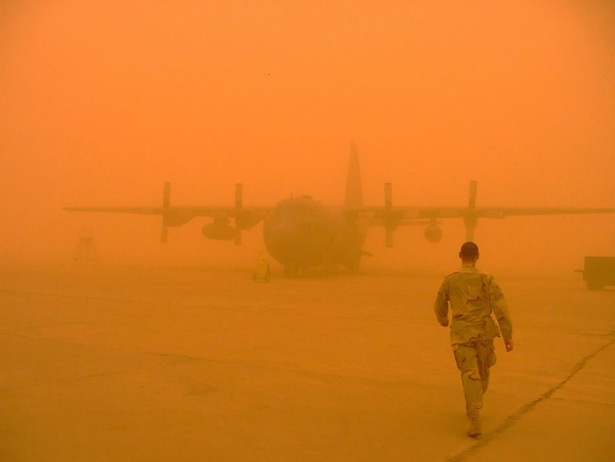
›2012 witnessed a remarkable number and extremity of environmental conditions, from Hurricane Sandy and the U.S. drought to wildfires in Siberia and drought-driven blackouts in India. Arctic sea ice melted to its furthest extent in recent history. The energy landscape continued to change as well, from the launch of the U.S. Navy’s Great Green Fleet to the first liquefied natural gas shipments across the Arctic. As President Obama clearly stated in his second inaugural address, climate change is heightening both our risks and the need to respond, but tying together all of these issues is a highly complex endeavor.
-
A Kingdom’s Future: Saudi Arabia Through the Eyes of Its Twentysomethings
›In a new book from the Wilson Center, Caryle Murphy asks how, while its neighbors face revolutions, Saudi Arabia has been able to “weather the storm of Arab youth discontent seemingly unscathed.”
To find out, Murphy went to the source, interviewing 83 young Saudis between the ages of 19 and 29 in the spring of 2012. She found that “they are by no means a revolutionary lot, preferring gradual, step-by-step change. They want change, but not at the cost of safety and security. Most favor more tolerance for diversity, including in the realm of religion.”
-
Nadya Ivanova, Circle of Blue
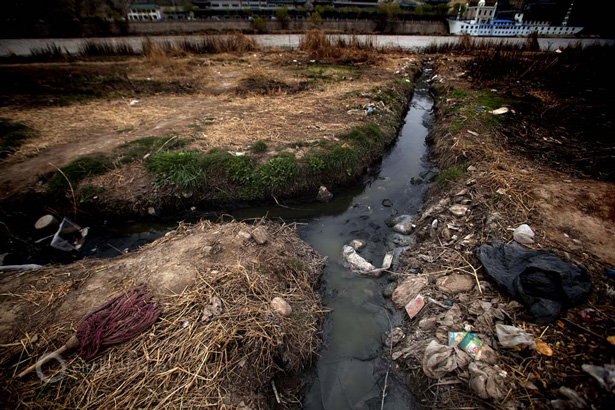
Across Much of China, Huge Harvests Irrigated With Industrial and Agricultural Runoff
›The original version of this article, by Nadya Ivanova, appeared on Circle of Blue.
The horizon gleams with a golden hue from the wheat fields that spread in all directions here in Shandong, a prime food-growing province on the lower reaches of the Yellow River. As hundreds of farmers spread the wheat like massive carpets to dry on country roads, combine machines are busy harvesting the grain. The same afternoon that the wheat harvest is finished, farmers will already be planting corn and other crops. This is how China feeds 1.4 billion citizens and millions of livestock.
-
Migration Flows, New Growth Demand New Ways to Do Urban Development
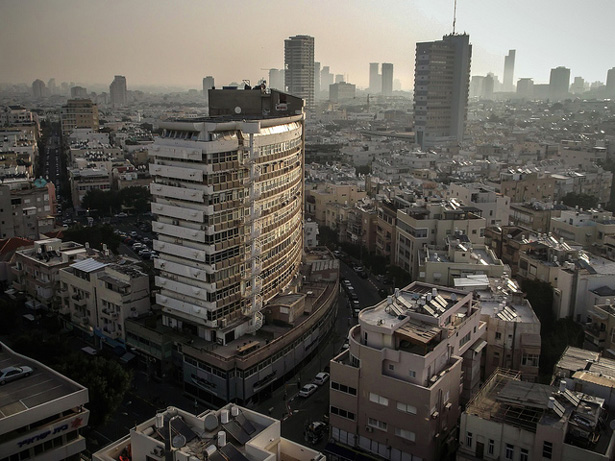
›A majority of the world population now lives in urban settings, but many of the most rapidly growing cities are unprepared to accommodate their new citizens. Newly swollen municipalities in poor and institutionally fragile countries are especially disadvantaged by poor planning and management, deficient public services, and citizen insecurity.
-
Environmental Migration, Security, and Climate Change
›“Environmental degradation has measurable impacts on migration and presents humanity with unprecedented challenges,” writes Laurence Turbiana in The State of Environmental Migration, edited by François Gemenne and Pauline Brücker of the Institute for Sustainable Development and International Relations and Dina Ionesco of the International Organization for Migration. The report presents the findings of students at the Paris School of International Affairs who examined a number of case studies in 2011, including sudden disasters like the floods in Thailand, Colombia, China, and Bangladesh, as well as slower-onset events like droughts in Somalia and Mexico. The editors conclude that “environmental migration, in its forced and voluntary forms, is a reality.”
Showing posts from category *Blog Columns.