-
Lisa Dabek on How Papua New Guinea’s Tree Kangaroo Conservation Project Does More Than Conserve
›
“All through Papua New Guinea, in every province, there is logging and mining, but we are the first conservation area,” says Lisa Dabek in this week’s podcast.
Dabek is the director of the Tree Kangaroo Conservation Project (TKCP), an effort of the Seattle Woodland Park Zoo that works to protect tree kangaroos while empowering communities in Papua New Guinea’s YUS Conservation Area to manage their natural resources, health care, and food security.
-
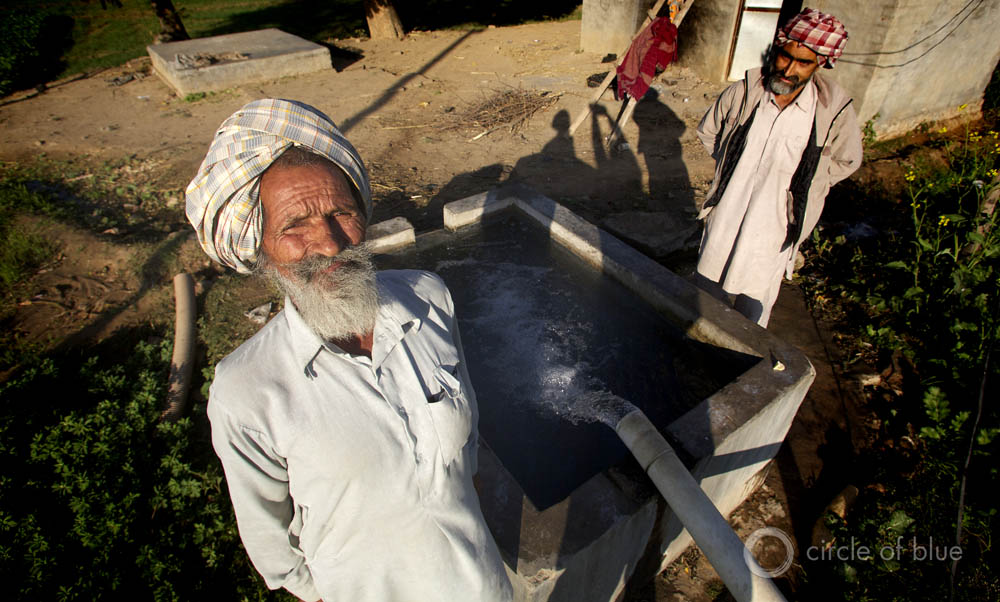
The Leopard in the Well: Wilson Center and Circle of Blue Launch ‘Choke Point: India’
›
The original version of this article, by Keith Schneider, appeared on Circle of Blue. Choke Point: India is a research and reporting initiative produced in partnership between Circle of Blue and the Wilson Center’s China Environment Forum and Asia Program.
Perhaps because India is so big, so bewildering and chaotic, and so determined to update its elusive rural identity with sleek urban flare, Indians and the national press are fascinated by how the nation’s wild animals are faring amid the dizzying change. In many cases, not well.
-
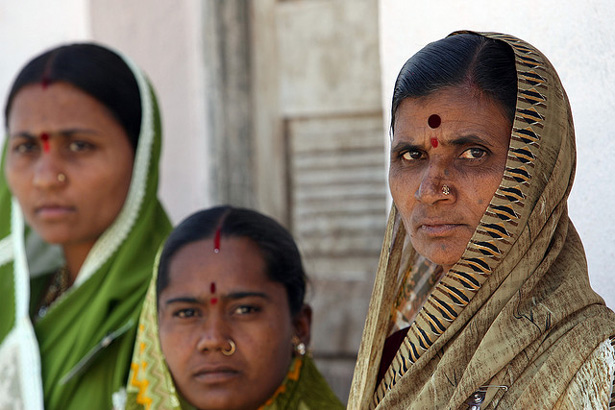
From India to Jordan, Intimate Partner Violence Affects Maternal and Child Health
›Physical, sexual, or psychological harm by a spouse or partner is a major factor in maternal and reproductive health, said Jay Silverman at the Wilson Center last month.
Silverman, a professor of medicine at the University of California, San Diego, cited a 15-country study of both developed and developing countries that found 25 to 75 percent of women have suffered from intimate partner violence at least once. And the effects are very significant, both in terms of the health of mothers and their children. [Video Below]
-
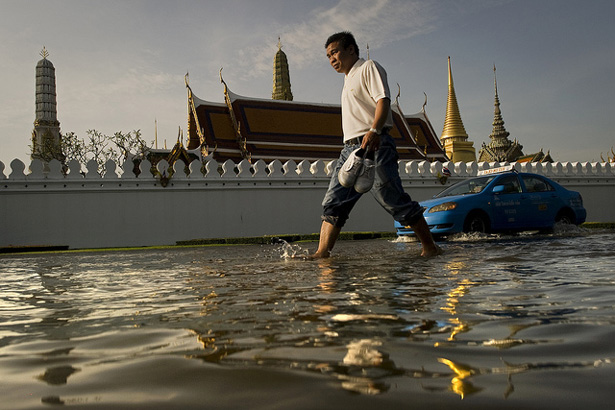
Beyond Arctic Conflict: Prospects for Peace and International Cooperation
›Temperatures in the Arctic have increased at twice the global rate over the past 40 years, vaulting the region to international prominence as an emerging theater for maritime transportation and competition over newly uncovered resources.
The international community should start strategizing now to manage the ambitions of circumpolar states and minimize the potential for conflict, write authors Rob Huebert, Heather Exner-Pirot, Adam Lajeunesse, and Jay Gulledge in a report. Published by the Center for Climate and Energy Solutions, Climate Change and International Security: The Arctic as a Bellwether explores the geopolitical implications of climate change in the Arctic and puts forth several recommendations for policymakers to consider. Huebert et al. write that “maintaining security and peace in the Arctic will require adapting policies and institutions to the emerging environment there.” They recommend that Arctic states strengthen existing multilateral agreements by, for example, advocating the accession of the United States into the UN Convention on the Law of the Sea. Further, they propose that the Arctic Council lifts its ban on discussing security issues in order to become a forum for meaningful discussion. -
Is Resilience Too Accurate to Be Useful?
›Resilience is a wonderful metaphor. It somehow conveys in a single word the qualities of bending without breaking, of healing after an injury, of tensile rather than brittle strength. Oak and palm trees are resilient to the power of strong winds, before which they bend and then straighten again. Resilient people pick themselves up after being knocked down, draw on their reserves of ideas and strength to deal with difficult challenges, or hunker down until the gale has blown itself away. Resilient economies bounce back, and resilient ecosystems restore themselves after the fire or the flood has passed.
-
Top 10 Posts for May 2013
›Can climate change adaptation and mitigation efforts lead to tension or even conflict between countries? The latest issue of ECSP Report examines this often over-looked question in Backdraft, introduced by ECSP Senior Advisor Geoff Dabelko in last month’s most popular post. Other popular newcomers were guest contributor Alan M. Wright on FEMA’s new Strategic Foresight Initiative report; a major meeting of water-cooperation minds at the Wilson Center in April; a breakdown of two major reports about the Arab Spring and climate change; and how policymakers in Kenya and Malawi are combining population policy with climate change and development.
-
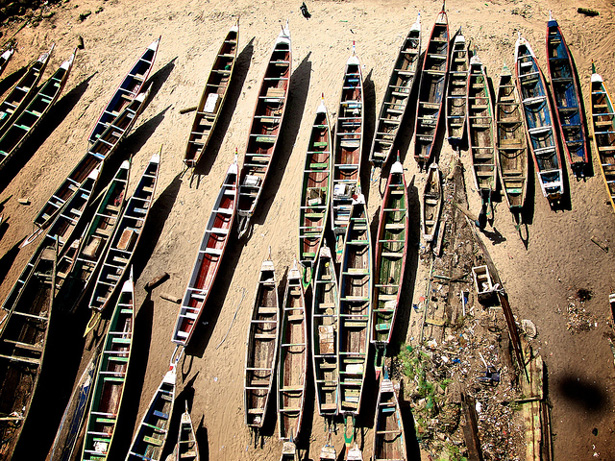
Youth Farming and Aquaculture Initiatives Aim to Reduce Food and Political Insecurity in Senegal
›The 2011-12 West African food crisis led to riots in Senegal and Burkina Faso as well as food insecurity for millions of rural and urban poor across the region. The crisis emerged from a number of factors, including instability in northern Mali, increases in global food prices, and low rainfall in the 2010-2011 and 2011-2012 growing seasons. Many countries in the region are now reassessing and expanding domestic agricultural capabilities. At the top of the agenda for Senegal, a democratic republic on track to reach many Millennium Development Goals, is reducing youth unemployment and increasing domestic agricultural capacity.
-
Can Women Deliver a New Development Agenda in 2015?
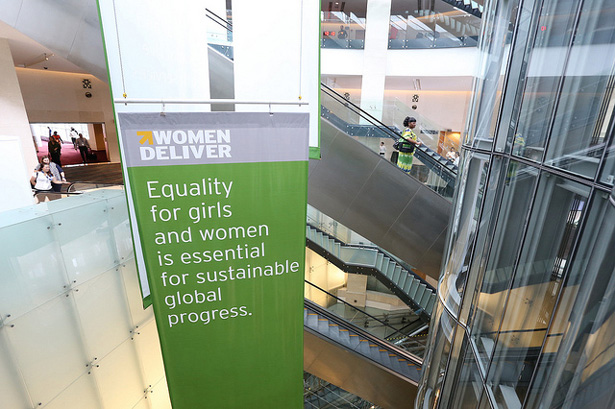
›The disempowerment of women and girls is the single biggest driver of inequality today, said Helen Clark, administrator of the UN Development Program, during a plenary on the final day here at the Women Deliver conference in Kuala Lumpur, where more than 4,500 people from 149 countries and 2,200 organizations gathered to discuss women’s health, equity, and international development.
Showing posts from category *Blog Columns.