-
Anthropocene Visualized: Video Summarizes Key Findings of IPCC Fifth Assessment Report
›“Humanity is altering Earth’s life support system. Carbon dioxide emissions are accelerating; greenhouse gas levels are unprecedented in human history,” says a new video summarizing some of the most striking finds of the Intergovernmental Panel on Climate Change’s latest report. The climate system is changing rapidly, and it is “extremely likely,” the video quotes the IPCC, that humans are the central reason why.
-
Dark Forests: Interview With Bopha Phorn on Investigating Land Deals, Logging, Gender Issues in Cambodia
›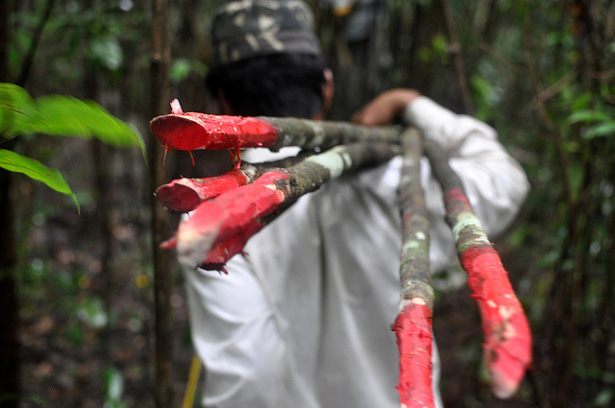
Cambodia is a young democracy in transition. It has the highest rate of urbanization in Southeast Asia, but the lowest percentage of current urban dwellers and widespread poverty. The Mekong River, on which millions of rural Cambodians rely, is being dammed at a rapid pace, both upstream, beyond the country’s borders, and within. Aided by weak land laws, both foreign and domestic industrial forces have staked claim to large swaths of the country for logging and rubber plantations, displacing thousands.
-
Bringing Natural Resources to the Table: ELI, UNEP Launch New Environmental Peacebuilding Platform
›
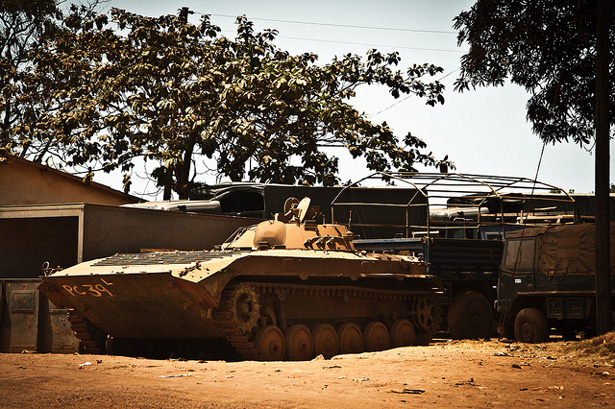
To date, despite their demonstrated importance in both conflict recovery and the risk of conflict recurrence, natural resources have been largely ignored or downplayed in post-conflict settings around the world.
-
Roger-Mark De Souza on Illuminating the Connections Between Population Dynamics, Resilience, Conflict
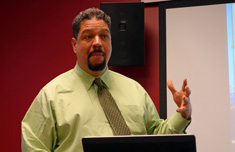
›“When you look at the resiliency literature, there’s very often discussion around population and population dynamics, but no one ever knows what to do with it,” says ECSP Director Roger-Mark De Souza in this week’s podcast.
-
Lisa Palmer, Yale Forum on Climate Change and the Media
Feeding 9 Billion on a Hot and Hungry Planet
›The original version of this article, by Lisa Palmer, appeared on The Yale Forum on Climate Change and the Media.
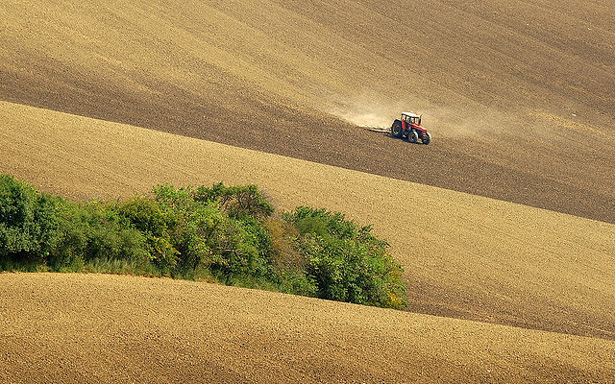
Humans, it’s no secret, are versatile and unpredictable in how they use their land. We build mega-cities in deserts, raise crops on flood plains, live along vulnerable coast lines enjoying seas dangerously rising, and burn rain forests to create new pastures.
-
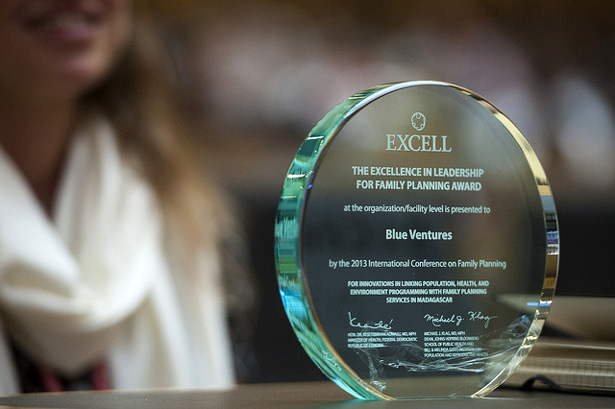
Population-Environment Program Wins Recognition: Blue Ventures Honored at International Conference on Family Planning
›This year’s International Conference on Family Planning (ICFP) happened to coincide with the UN’s annual climate change summit. Perhaps it’s apt then that one of the organizations recognized for excellence is helping to bridge the gap between the environment and family planning communities.
-
Linking Oil and War: Review of ‘Petro-Aggression’
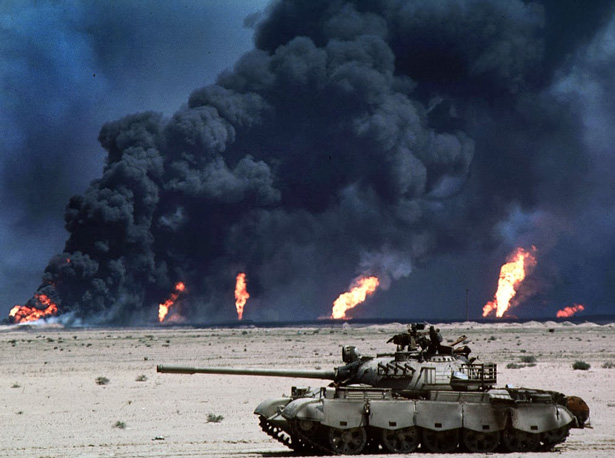
›In Petro-Aggression: When Oil Causes War, Jeff Colgan provides an indispensable starting point for researchers interested in the relationship between oil and international conflict.
-
Understanding Climate Vulnerability: José Miguel Guzmán on How Census and Survey Data Can Help Us Plan
›
“Population-related data from census, surveys, and other administrative data can and must be used for adaptation to climate change,” says José Miguel Guzmán in this week’s podcast from the launch of The Demography of Adaptation to Climate Change. As the devastation from Typhoon Haiyan shows, population density, poverty levels, and even building construction quality can have a huge impact on how vulnerable a particular area is to extreme weather, flooding, and other effects of climate change.
Showing posts from category *Blog Columns.