-
Big Changes Need Big Stories: The Year Ahead in Environment and Energy Reporting
›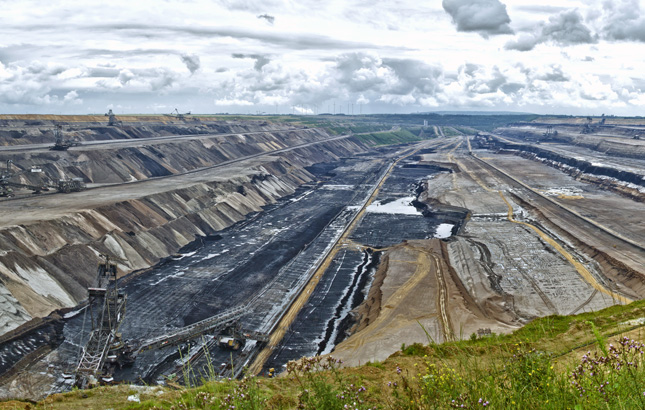
While climate change has enjoyed a recent spike in news coverage, journalists face a constant challenge to bring sustained attention to other environmental stories, including resource scarcity, the changing oceans, and demographic change. [Video Below]
-
Deepa Pullanikkatil: Climate Adaptation Efforts Reveal Health-Environment Links in Malawi
›
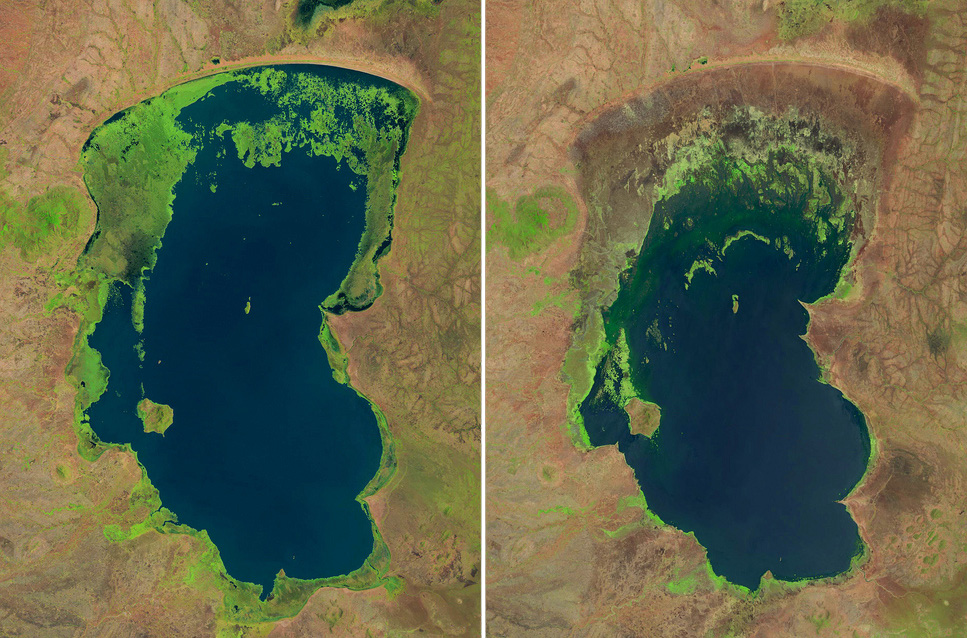
Effective development interventions often require thinking outside the box. In southern Malawi’s Lake Chilwa basin, where environmental degradation, public health, and population dynamics intersect in unpredictable ways, people like Deepa Pullanikkatil of Leadership for Environment and Development (LEAD) are challenging conventional thinking with promising results.
-
Environmental Impacts of Household Size, Bringing Family Planning Outside the Health Sector
›What are the environmental implications of changing household sizes? A recent article by Mason Bradbury, M. Nils Peterson, and Jianguo Liu, published in Population and Environment, analyzes data from 213 countries over 400 years and finds the average number of occupants per home tends to decline as population grows. This dynamic, they write, indicates that accommodating housing could prove to be one of “the greatest environmental challenges of the twenty-first century.” As countries develop and urbanize, “according to convergence theory, household size decreases (often from greater than five to less than three).” Other cultural shifts, like increasing divorce rates, urban sprawl driven by rising affluence, decreasing numbers of multigenerational households, and larger houses (in the United States, homes more than doubled in size between 1950 and 2002, according to the article) compound the issue. As population growth continues in parts of the world, these trends pose critical questions for conservation and environmental sustainability, since “households are the end consumers of most natural resources and ecosystem services.” -
Unveiling the Dark Places: Urbanization, Economic Change, and Gender-Based Violence
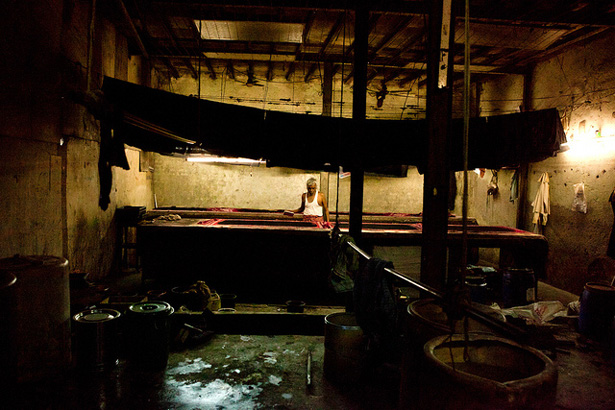
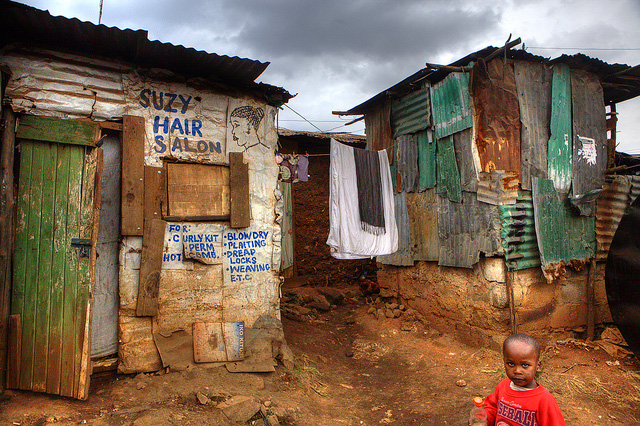
›“If there was a perfect slum, Kibera would be it.” The notoriously overcrowded and underserved settlement in the Kenyan capital of Nairobi captivates the public imagination, engendering visions of urban violence, poverty, and hopelessness, said Caroline Wanjiku Kihato of the University of the Witwatersrand at the Wilson Center on February 18. The area was ravaged by ethnic violence that erupted across the country following Kenya’s disputed 2007 elections, pitting neighbor against neighbor in tribal clashes that killed more than 1,000 people, displaced many thousands more, and provoked an alarming surge in sexual violence.
-
Infographic: The Environmental Effects of China’s Growing Pork Industry
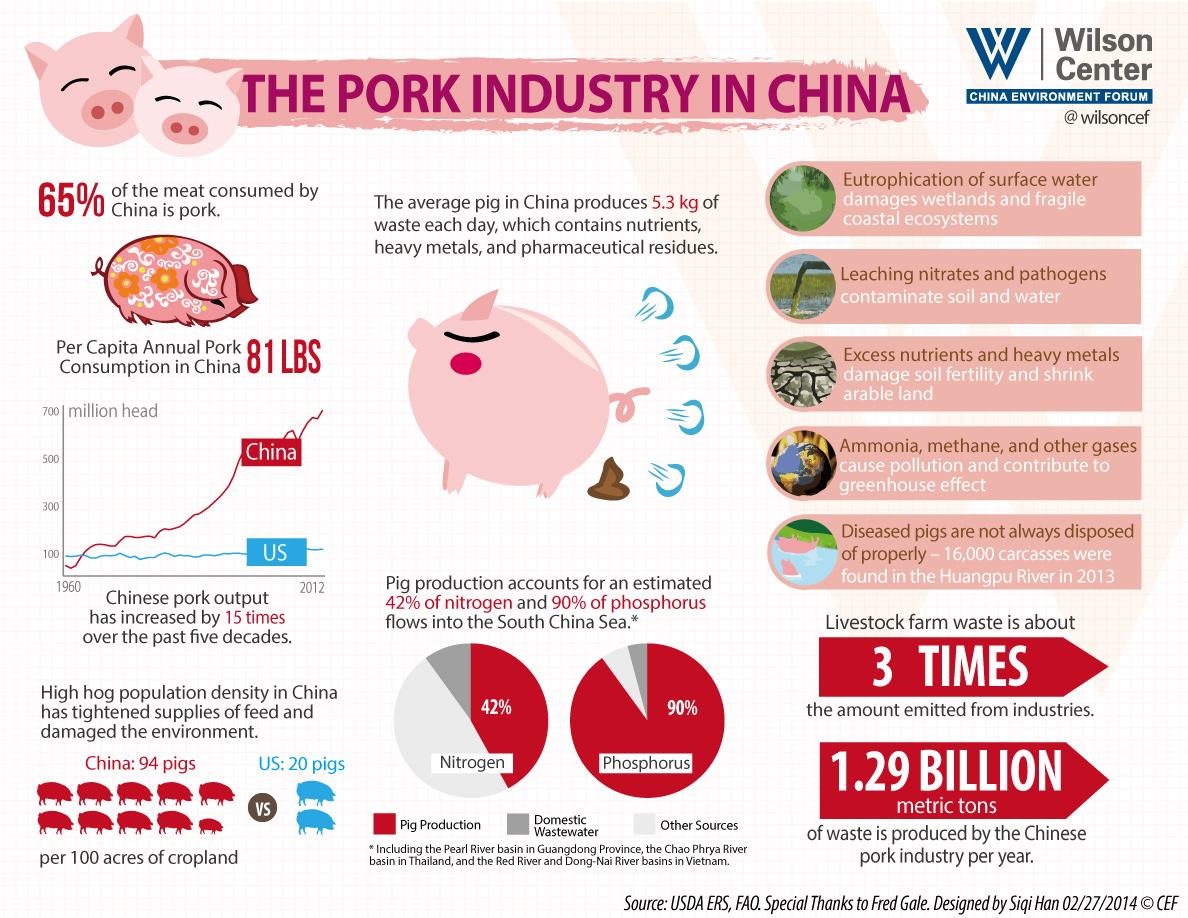
›The pork industry in China accounts for 65 percent of domestic meat consumption, but also produces 1.29 billion metric tons of waste every year. China’s growing appetite for meat has put tremendous pressure on the livestock sector, which now produces three times more waste than industrial sources, and created a series of environmental and food safety issues.
-
USAID Administrator Rajiv Shah on Public-Private Partnerships and the Future of Aid
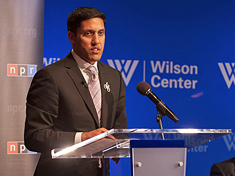
›What’s the best way for America’s chief development agency to help other countries reach prosperity and democracy? Increasingly, it’s creating partnerships not just with other governments, but with the private sector too, says USAID Administrator Rajiv Shah in this week’s podcast. -
Have Ideas About Reducing Urban Poverty in the Developing World? In Graduate School? Apply Within
›The Wilson Center’s Urban Sustainability Laboratory, in partnership with USAID, International Housing Coalition, World Bank, and Cities Alliance, is pleased to announce the 5th Annual Urban Poverty Paper Competition for graduate students. The competition calls on students currently enrolled in a Master’s or PhD program to submit paper abstracts on topics relating to urban poverty in the developing world.
-
From Victoria to Chilwa: Integrated Development in Two African Lake Basins
›In Lake Victoria and Lake Chilwa basins, interconnected development challenges defy sectoral boundaries, said experts at the Wilson Center on February 10. According to Deepa Pullanikkatil of Leadership for Environment and Development and Doreen Othero of the Lake Victoria Basin Commission, growing populations, shrinking resource bases, and persistent human health concerns demonstrate the need for integrated development approaches that combine population, health, and environmental (PHE) interventions. “We need different sectors working together to achieve the greater goal,” said Pullanikkatil. [Video Below]
Showing posts from category *Blog Columns.
 What’s the best way for America’s chief development agency to help other countries reach prosperity and democracy? Increasingly, it’s creating partnerships not just with other governments, but with the private sector too, says USAID Administrator