-
Oil in South Sudan: Turning Crisis Into Opportunity
›
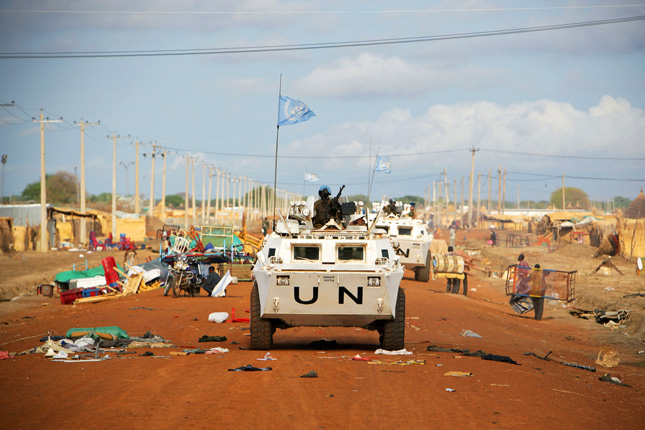
Outside of donor and humanitarian aid, South Sudan’s economy is almost entirely dependent on the oil sector – and that sector is in crisis.
-
Roger-Mark De Souza: Integrated Development Shows Health, Population Dynamics Crucial for Resilience
›
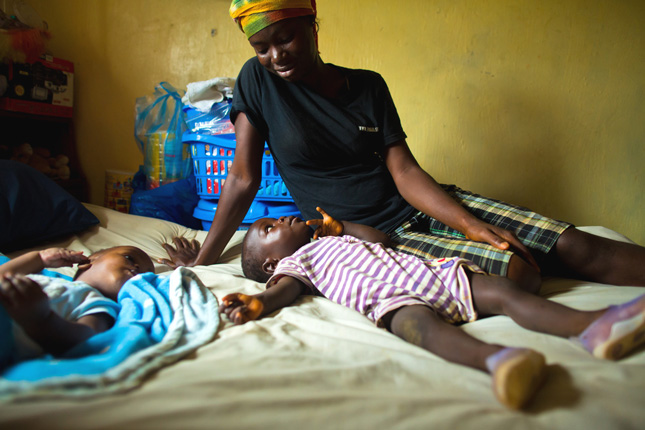
Resilience means different things to different people. For many in the international development and humanitarian communities, building resilience means responding to growing climate risks through disaster mitigation and planning. But for people like Birhani Fakadi, a 39-year old mother of 11 in rural Ethiopia, it also means access to reproductive health and family planning services, says ECSP’s Roger-Mark De Souza in this week’s podcast.
-
State of Population-Climate Change Research
›What is the future of population and climate change research, and how can this research impact international policy? In a special issue of Population and Environment, environmental and social scientists look at these questions. “One of the most exciting developments in the climate change research community at present is the development of a new generation of climate scenarios,” write Adrian C. Hayes and Susana B. Adamo in the introduction. These can help facilitate more interdisciplinary research. -
Why They Care: Reproductive Health Champions Spotlight Personal Connections to Development, Environment, More
›“Saving the planet depends on women achieving full human rights, and that begins with reproductive rights,” writes the Natural Resources Defense Council’s Frances Beinecke in a new set of essays on reproductive health published by the United Nations Foundation and the Aspen Institute.
-
Water, Sanitation, and Hygiene Programs as a Strategy to Advance Maternal Health
›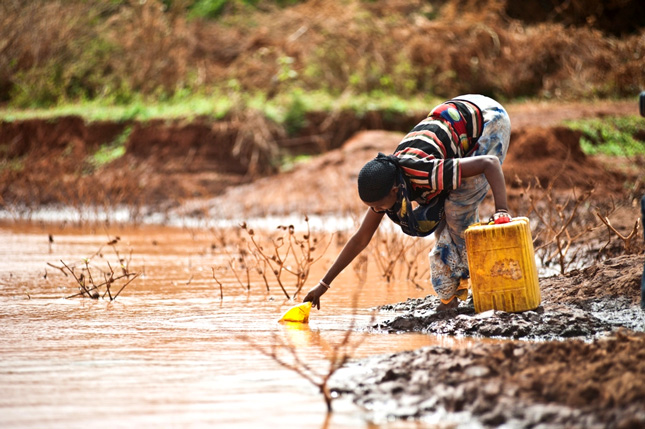
Of all the Millennium Development Goals, the maternal health and sanitation targets are among the farthest off track, said Rebecca Fishman, operations and special projects director of WASH Advocates. [Video Below]
-
Solidarity and Stigma: The Challenge of Improving Maternal Health for Women Living With HIV
›Despite the fact that with proper interventions, the likelihood of mother-to-child transmission of HIV is less than five percent, expectant mothers with HIV or AIDS often face intense stigma and marginalization from health care providers around the world. As a result, in some areas, the mortality rate for mothers with HIV is seven to eight times greater than the rate for non-infected women, said Dr. Isabella Danel of the U.S. Centers for Disease Control. [Video Below]
-
Disaster Risk Reduction Important to Preserve Development Gains, El Niño May Becoming More Frequent, Powerful
›As climate change threatens more extreme weather, it is becoming more important to incorporate disaster risk reduction into poverty-reduction efforts, writes the Overseas Development Institute in a new report. The authors of The Geography of Poverty, Disasters, and Climate Extremes in 2030 argue that the hard-won gains of development are threatened by vulnerability among the poorest to climate change disasters, especially droughts. “Up to 325 million extremely poor people will be living in the 49 most hazard-prone countries in 2030, the majority in South Asia and sub-Saharan Africa,” write Andrew Shepherd et al. Using an index measuring the risk of a nation’s exposure to natural disasters as compared with a nation’s vulnerability to extreme poverty (income less than $1 daily), the report singles out 11 nations at high risk in both categories.
-
Violent Straw Men? Sex Ratios, Conflict, and a Methodological Disconnect
›The emerging subfield of “security demographics” is interested in how demographic trends, such as youth bulges, high or low fertility rates, and sex ratios affect the security and stability of nation-states and regions. In our research, Andrea Den Boer and I have attempted to show that abnormally high sex ratios – situations where there are significantly more men than women – have been a security concern in the past and may affect security and stability in the future.
Showing posts from category *Blog Columns.