-
Not Just Climate Change: Marcel Leroy on How Demography Contributes to Africa’s Scarcity Problems
›
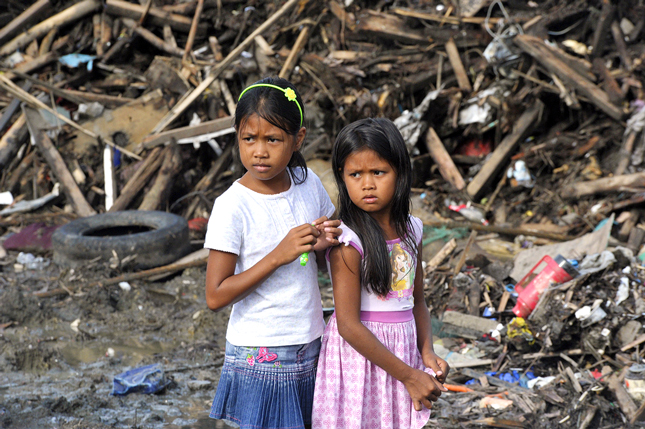
The Sahel has endured multiple debilitating food crises over the last five years and climate change has often been fingered as the culprit. But it is important to equally consider the amplifying effects of demographic trends on resource scarcity, says the University of Peace’s Marcel Leroy in this week’s podcast.
-
Top 10 Posts for May 2014
›
Have we seen enough of climate change to call it a “catalyst for conflict?” A panel of retired U.S. military leaders think so in a new report from CNA launched at the Wilson Center last month.
-
How Do We Bounce Back Better? 2015 a Critical Year for Global Resilience, Climate Efforts
›According to NASA and a team of scientists from the University of California, significant portions of the West Antarctic ice sheet have begun an unstoppable slide towards oblivion, slowly melting in warmer-than-usual ocean currents that have been eating away at their bases. [Video Below]
-
What Can Governments Do About Falling Birth Rates?
›“We have a fairly unique moment in the history of the world,” said Steven Philip Kramer, a professor at National Defense University, at the Wilson Center on April 17. “There’s never been a time when people have voluntarily produced fewer children than is necessary for sustaining the population.” [Video Below]
-
Melanie Nakagawa on Integrating Gender Into REDD+ at the Department of State and USAID
›
A central tenet of John Kerry’s time as Secretary of State has been an emphasis on climate change. In a speech in Indonesia this year, he compared the threat of changing climate conditions to terrorism and weapons of mass destruction. Though the United States has been slow to enact major climate legislation, the Department of State has developed a “road map” for responding in its own way. The REDD+ program could play a major role in this response, says Melanie Nakagawa of the department’s policy planning staff in this week’s podcast.
-
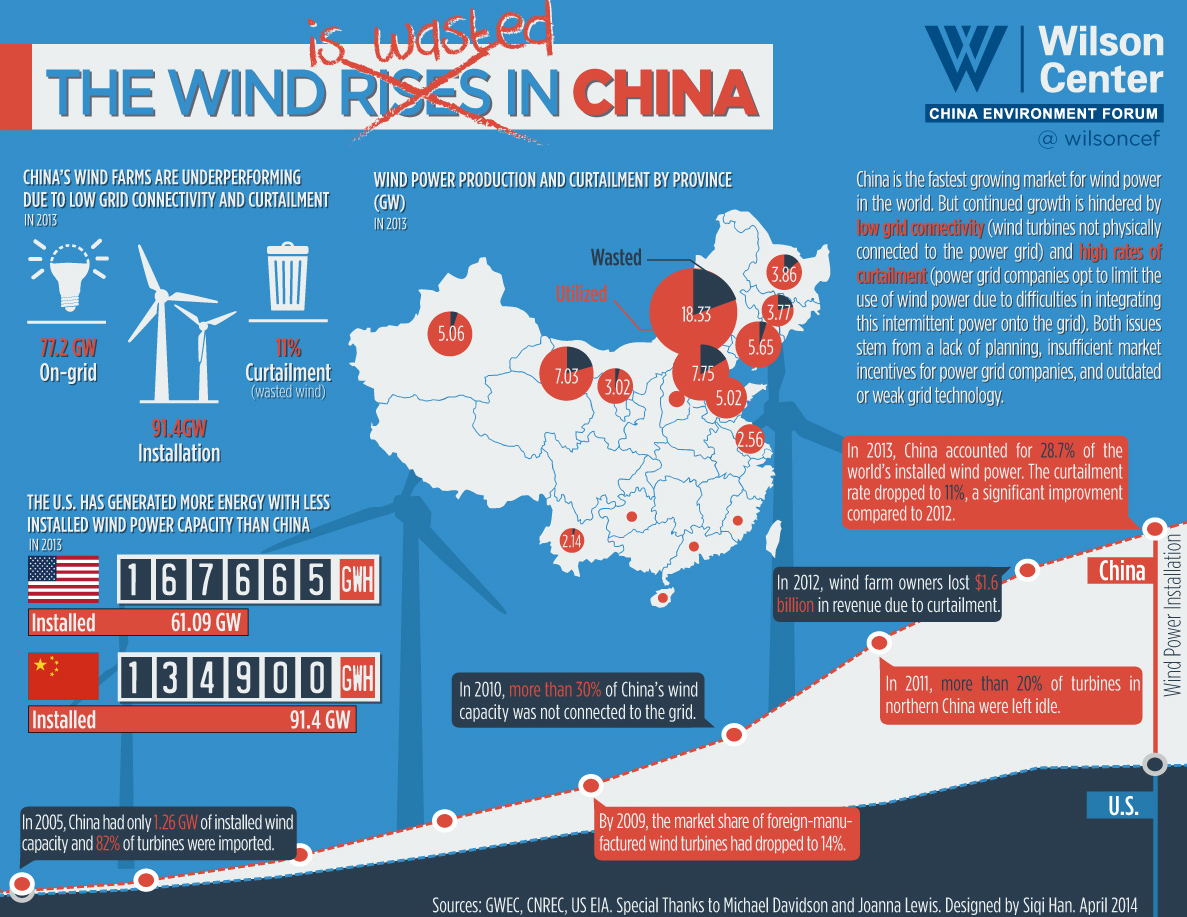
Infographic: Waste, Poor Planning Blunt China’s Wind Energy Ambitions
›China leads the world in installed wind power by a wide margin, but last year, when it came to actual generation, China produced 20 percent less electricity from wind than the United States.
-
Steven Philip Kramer on ‘The Other Population Crisis’
›
Ever since Thomas Malthus’ 18th-century treatise linked overpopulation with conflict and poverty, population growth has been a subject of concern and controversy. But does population decline warrant similar attention? According to Steven Philip Kramer, the subject of this week’s podcast and author of The Other Population Crisis: What Governments Can Do About Falling Birth Rates, it does.
-
China’s Coal-to-Gas Plants Trade Urban Air Quality for Higher Carbon Emissions
›Last September, facing a growing public outcry to ease smog, China’s State Council called for the accelerated development of a new energy industry that turns coal into methane gas. Piped to Beijing and other cities, this gas could help cut down on smog by replacing dirtier fuels now used to cook meals, heat homes, and produce electricity. But embracing it involves a major environmental trade-off in overall carbon emissions.
Showing posts from category *Blog Columns.