-
Proven and Promising Solutions to Strengthening Maternal Health Supply Chains
› In 2012, as part of the Every Women Every Child movement, 13 vital health commodities were identified by a UN panel that could save the lives of more than 6 million women and children over the course of five years. There are often significant cultural and behavioral barriers to these commodities reaching people in low- and middle-income countries, but physical logistics is also a major problem.
 -
Silver Buckshot: Alternative Pathways Towards Greenhouse Gas Mitigation
›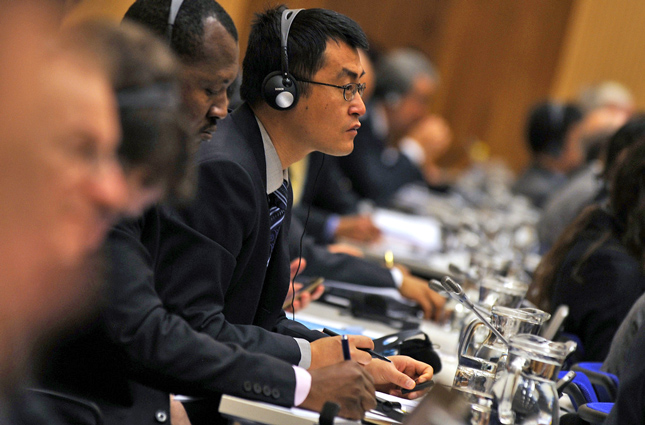
In 1986, global nuclear weapons stockpiles peaked at nearly 70,000 warheads. By the beginning of 2013, there were just over 17,000, with only 4,400 kept operational. This dramatic reduction was the fruit of a negotiation process that began in the late 1940s. In spite of incredible tensions between the United States and the Soviet Union, negotiators were able to make progress once they focused on building trust with small, pragmatic steps, rather than starting with the complete elimination of all weapons. [Video Below]
-
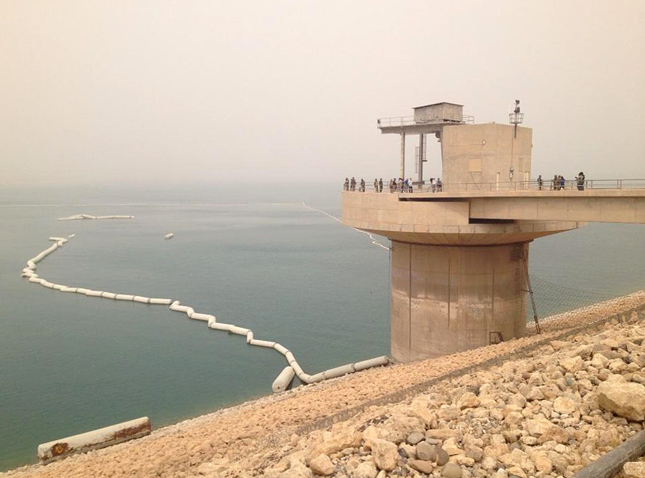
What Can Iraq’s Fight Over the Mosul Dam Tell Us About Water Security?
›The fight for control over “the most dangerous dam in the world” is raging.
Since its capture by Islamic State (IS) militants on August 7 and subsequent attempts by Iraqi government and Kurdish forces to take it back, Iraq’s Mosul Dam has been one of the central components of the government’s surprising and rapid collapse in the country’s northern and western provinces. In fact, one might see the capture of the Mosul Dam as the moment IS ascended from a dangerous insurgent group to an existential threat to Iraq as a state.
-
Sexual Violence Beyond the Warzone, and the Relationship Between Child Marriage and Fragile States
›
Two recent reports reaffirm the particular vulnerability of women and children in disasters, conflicts, and fragile states, but also highlight gaps in common perceptions of their experiences.
-
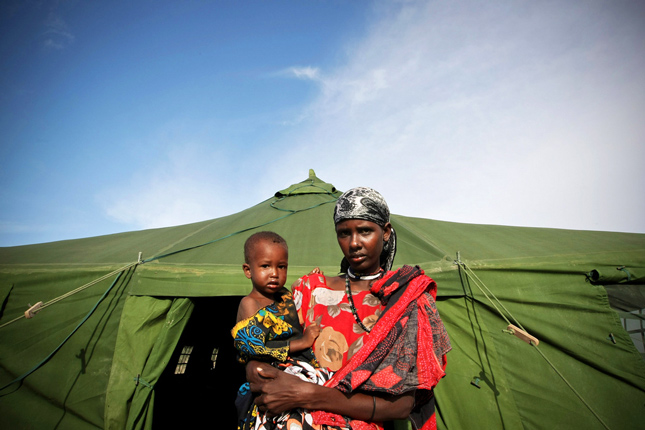
Somali Refugees Show How Conflict, Gender, Environmental Scarcity Become Entwined
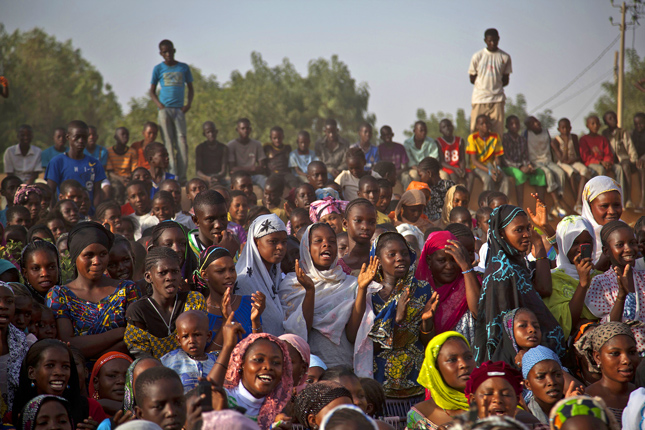
›Under international law, someone who flees their country because of conflict or persecution is a refugee, but someone who flees because of inability to meet their basic household needs is not. In the case of Somalia, it is increasingly difficult to make any meaningful distinction between the two.
-
Ian Kraucunas on Bridging the Science-Politics Divide for Climate Change
›
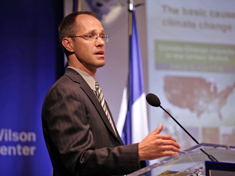
“Climate change is not just a far-away thing that affects far-away people,” says Ian Kraucunas, deputy director of atmospheric sciences and global change at the Pacific Northwest National Laboratory in this week’s podcast. “It affects things people here in the U.S. care about – and, in fact, that includes national security.”
-
The Intergenerational Cycle of Malnutrition: How Gender and Social Status Doom Many Mothers and Newborns
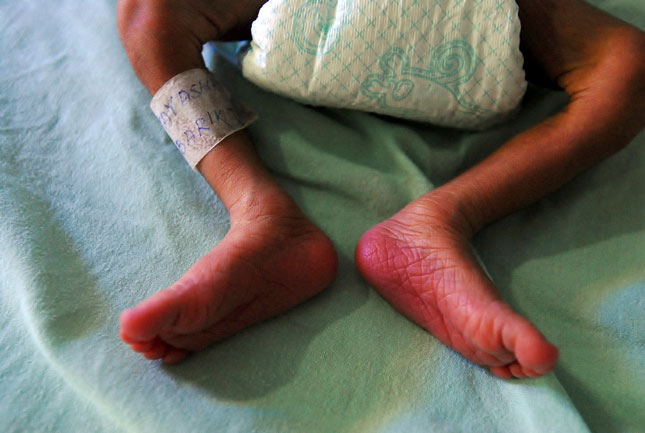
›When Dr. Ranu Dhillon stumbled upon baby Reena during a routine visit to a clinic in India, she was almost comatose and unable to get the care she needed. Dhillon traveled with Reena and her mother from hospital to hospital, but left again and again without finding treatment. [Video Below]
-
The Missing Link in Understanding Global Trends? Demography
›Since the end of World War II, a number of the world’s most dramatic political events have resulted from demographic shifts and governments’ reaction to them. Despite this, political demography remains a neglected topic of scholarly investigation.
Showing posts from category *Blog Columns.