-
What Climate Conflict Looks Like: Recent Findings and Possible Responses
›
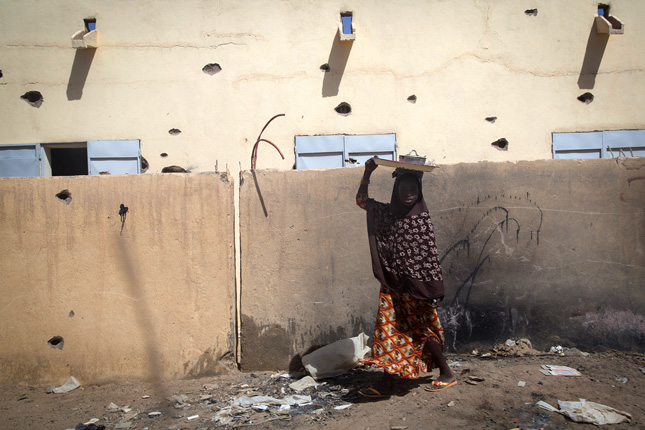
Climate change and conflict – what’s the relationship? In a recently completed set of field-based studies for USAID, the Foundation for Environmental Security and Sustainability set aside “yes-or-no” questions about whether climate change causes conflict and replaced them with pragmatic and politically informed questions about how climate change is consequential for conflict in specific fragile states.
-
Fossil Fuel Boom Rewiring North America’s Energy Infrastructure
›
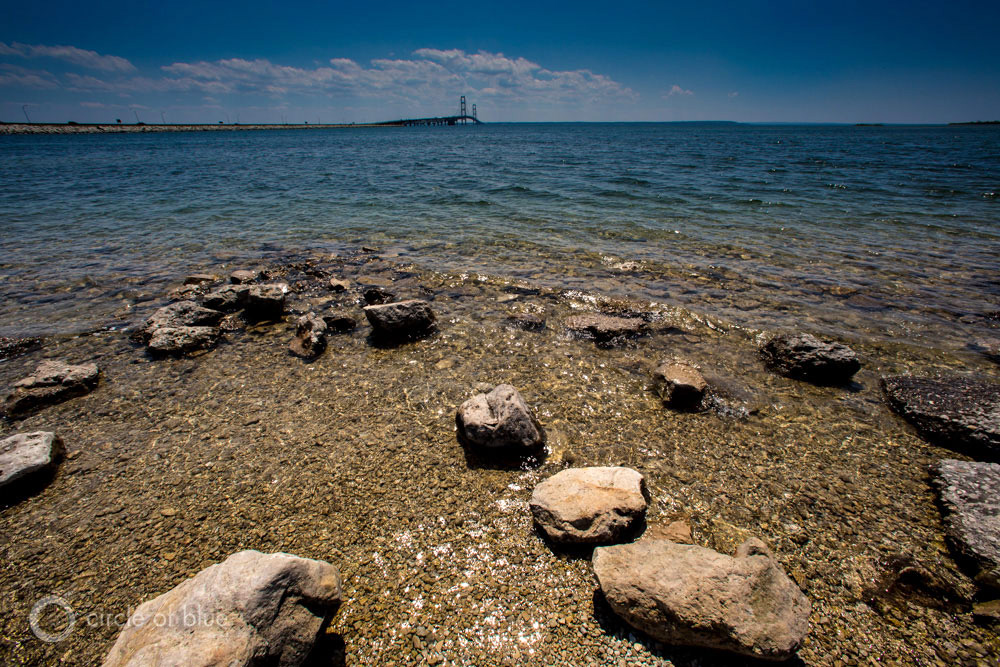
Until two years ago, when the National Wildlife Federation pointed out their presence, the 61-year-old steel oil pipelines running beneath the fast-flowing Mackinac Straits between Lake Michigan and Lake Huron were like nearly every other piece of North America’s energy transport network: out of sight and out of mind.
-
‘Extreme Realities’ Sheds Light on Links Between Global Climate Dynamics and National Security
›“We cannot ignore the new reality that climate change has become a major foreign policy issue in the 21st century,” a new film by Hal and Marilyn Weiner concludes.
-
Safety and Security in the Global Youth Wellbeing Index
›Few would argue with the notion that socioeconomic development is contingent on peace, safety, and security. What goes for nations, goes for people too – especially young people.
-
Feeding Unrest: A Closer Look at the Relationship Between Food Prices and Sociopolitical Conflict
›From the Roman poet Juvenal’s observations about bread and circuses to Marie Antoinette’s proclamation, “let them eat cake!” the link between food and political stability is well established in pop culture. In academic and policy circles, however, it’s a source of considerable debate.
-
William Butz: Investment in Human Capital, Not Engineering, Central to Climate Resilience
›“How does climate change affect people by age and sex, and where they live?” asks William Butz, director of coordination and outreach at the Wittgenstein Center for Demography and Global Human Capital, in this week’s podcast. “And how to do they respond? How do they adapt or fail to adapt?”
-
A Sister Cities Coalition Builds Peace Through Water in the Lower Jordan Valley
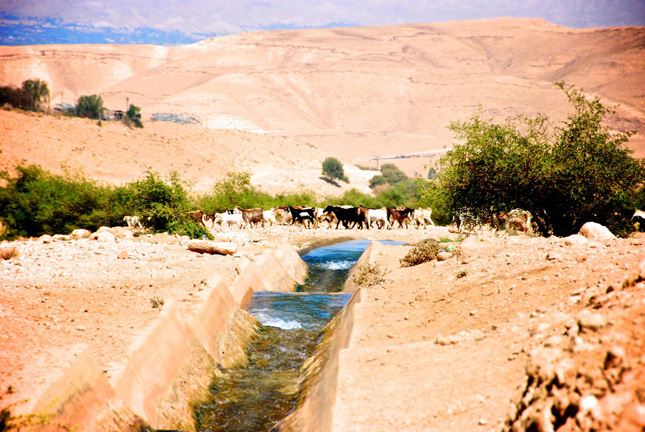
›Water is a key ingredient for peace, especially in the Middle East. The Jordan River, which forms the border between Israel, the Palestinian West Bank, and Jordan, is central to the interrelated political and environmental challenges facing the region. Addressing these challenges requires not only high-level diplomacy but also direct, people-to-people engagement, which can form lasting relationships that go beyond water, said experts at the Wilson Center on October 17. [Video Below]
-
New Portal for Himalayan Region Aims to Provide Better Environmental Data
›“There was drought so we had to share the little water brought a long distance from irrigation canals to the field. This delay in rice planting is resulting in a late harvest,” explains Ratna Darai, 47, a farmer in Daraipadhera, Nepal, during an interview with The Third Pole reporter Ramesh Bhushal. An erratic monsoon means an uncertain harvest in a nation where agricultural production is not on pace with population growth. Water insecurity is a major driver of conflict and uncertainly in the world’s most populous continent.
Showing posts from category *Blog Columns.