-
Corruption, Climate Change, and Vulnerability in Small-Island States
›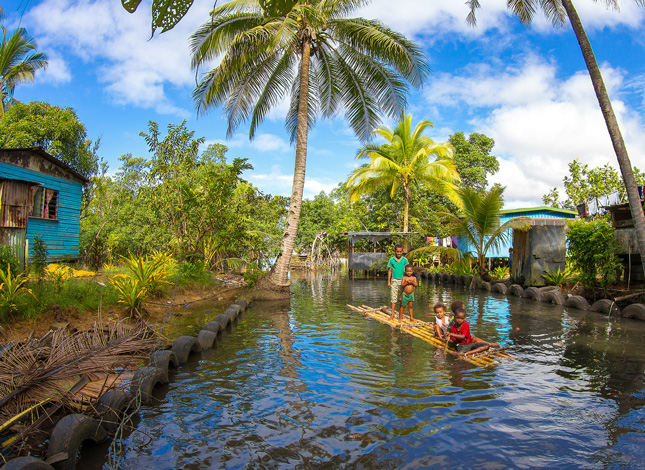
As international funding to support environmental management and development increases, the danger of associated corruption grows and requires greater attention. Small-island developing states (SIDS), greatly exposed to the damage caused by climate change, are particularly vulnerable. These small, trailblazing countries in the Pacific, Caribbean, and Indian Ocean are making progress in addressing climate threats, but will need international support and local commitment regarding rule of law and corruption in the climate sector as they try to prevent the worst effects of climate change and find a sustainable way to develop.
-
The Future of the Sustainable Development Goals
›
“As we go forward, we will discover that 2015 was when we really started getting serious about transdisciplinary challenges inherent in sustainable development,” said Melinda Kimble, senior vice president for programs at the UN Foundation, at the Wilson Center on April 13. [Video Below]
-
Ethiopian Drought Response a Sign of How Far We’ve Come and Where We Need to Go
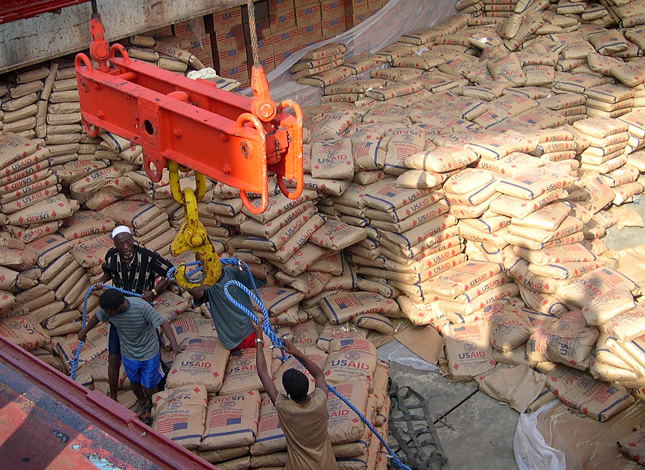
›Drought in Ethiopia, exacerbated by El Niño, has put more than 10 million people in a position of being unsure how long they will have food and where it will come from next. Inevitably, the drought has been compared to the infamous drought of 1983-1984 that led to the worst famine in the country’s history, making millions destitute, and contributing to the deaths of 400,000. But Ethiopia is in a very different place today than it was in 1983.
-
Free Lunch: The Development Argument for Taking Zika More Seriously
›I recently returned to Washington, DC, after 10 days in India. New Delhi was warm, moist, crowded – and buzzing with mosquitoes. Fortunately, at least for now, their bites are little more than an itchy nuisance, which is just as well.
-
When Climate Change Exacerbates Conflict, Women Pay the Price, Says Mayesha Alam
›Climate change has the potential to exacerbate conflict and political instability, and women will pay a steeper price than their male counterparts when it does, says Mayesha Alam, associate director of the Georgetown Institute for Women, Peace, and Security, in this week’s podcast. -
Solomon Greene et al., Urban Wire
To Foster Sustainable Development, Cities Need Data – and Permission to Use It
›Cities are where sustainable development challenges like poverty and disaster risk are felt most acutely, particularly as the world’s population shifts to urban areas. But cities can also be incubators for the policies to address those challenges, and local leaders increasingly hold the keys to fostering inclusive growth and mitigating climate change.
-
Top 10 Posts for April 2016
›An alternative to rebuilding Iraq’s dangerously unstable Mosul Dam? Rapprochement between Turkey, Iraq, and the Kurds, writes Azzam Alwash for the Middle East Program in last month’s most-read story. Cooperation over water could be a mechanism for building stability and restoring vital natural resources.
-
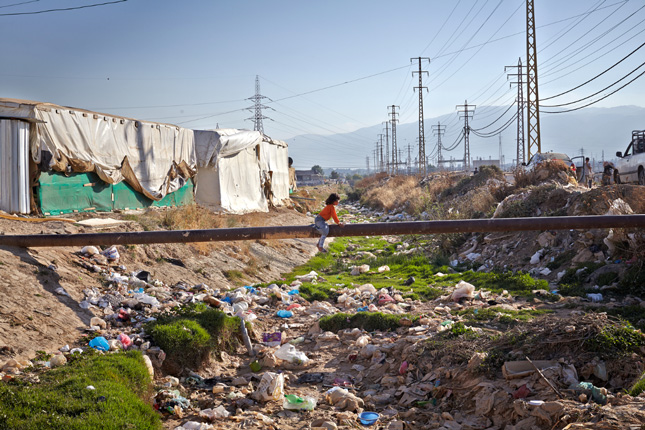
Behind the Headlines, Emerging Security Threats in the Middle East
›The Middle East, as much as ever, is the focus of international attention, but the obvious crises may be a distraction from deeper underlying issues.
Showing posts from category *Blog Columns.
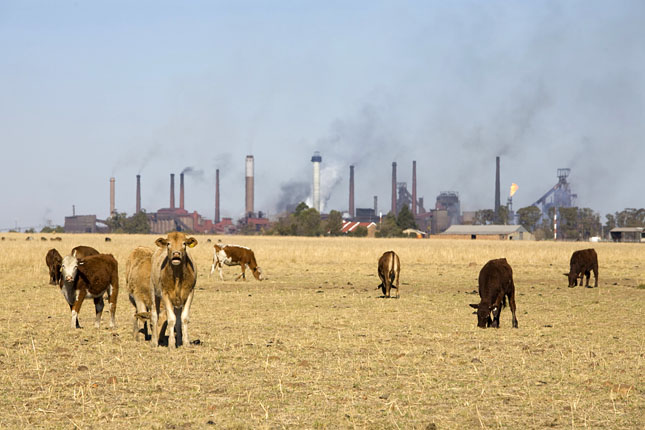
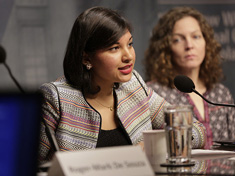 Climate change has the potential to exacerbate conflict and political instability, and women will pay a steeper price than their male counterparts when it does, says Mayesha Alam, associate director of the