-
How Infrastructure Helps Determine the Risk of Violence Following Drought
›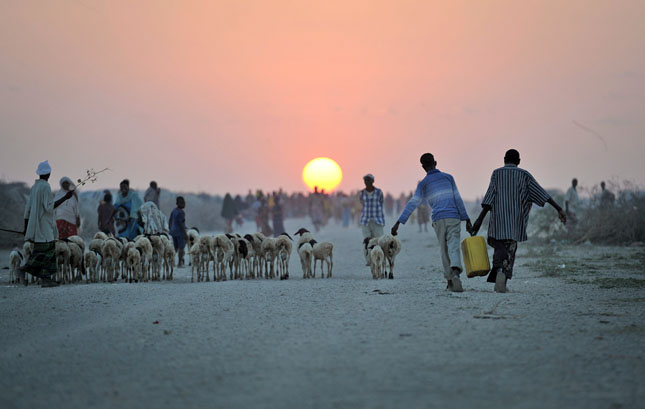
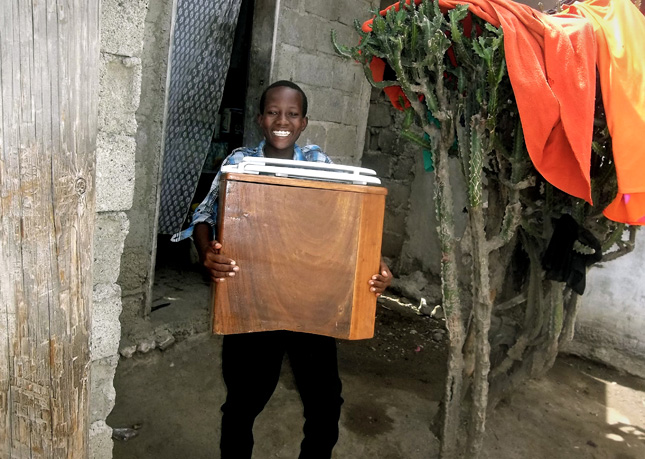
One fear of climate change is that more variable weather conditions will lead to violence and chaos in some places. But looking at it methodically, do erratic weather conditions actually lead to violent conflict and political instability? Not necessarily.
-
New Approach to Sanitation May Help Fast-Growing Urban Areas Achieve SDGs
›
In the late 1990s, world leaders came together to create the Millennium Development Goals – time-bound, quantified targets for addressing extreme poverty and human health and well-being. Notable among them was to “halve, by 2015, the proportion of the population without sustainable access to water and sanitation.”
-
Inside a Data-Driven Attempt to Fight Spoilage in U.S. Food Aid
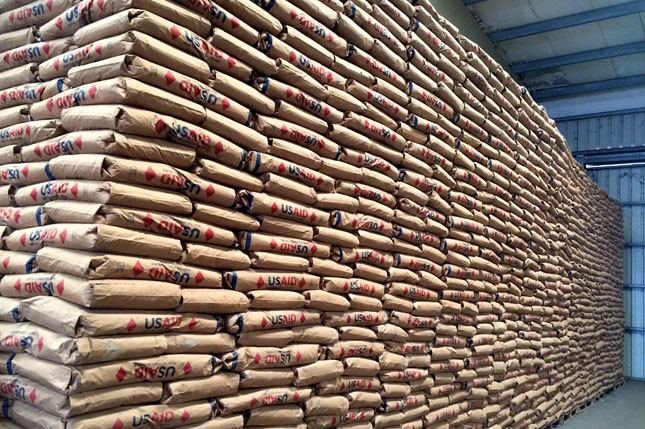
›Today, as El Niño-related droughts impact communities across East and Southern Africa, food aid shipment and distribution networks have shifted into high gear. From the U.S. Agency for International Development to the United Nations World Food Program and NGOs like CARE and Save the Children, food aid providers are stocking port warehouses in Djibouti and South Africa, as well as inland warehouses in countries like Ethiopia, Zimbabwe, and Lesotho.
-
Family Planning and Environmental Sustainability: Assessing the Evidence
›“There are truly global-scale environmental challenges, and they need to be dealt with by thinking of solutions at the same scale,” said Thomas Lovejoy, a senior fellow at the United Nations Foundation, at the Wilson Center on June 29. The interaction between human population and environmental degradation is one of these challenges. [Video Below]
-
Maternal and Fetal Health Implications of Zika in the United States
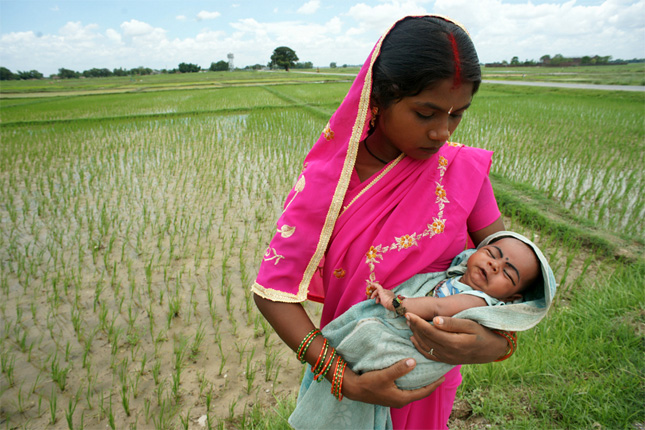
›Maternal and fetal health is at the forefront of concerns about the spread of Zika. The fetal brain defects known to be linked to the virus are devastating – and may only be the tip of the iceberg in terms of the virus’s impact, according to a panel of high level U.S. government officials speaking at the Wilson Center on May 24.
-
A Matter of Perspective: Astronaut Susan Helms on Seeing Humanity’s Impact From Space
›Susan Helms is a former NASA astronaut and retired member of the United States Air Force. During her time in the military, Helms flew over 30 different types of aircraft and received four Legion of Merit awards and three Defense Superior Service medals. She also holds the record for longest space walk and spent over 5,000 hours in space. She retired in 2014 with the rank of lieutenant general and now serves on the Wilson Center Board of Trustees. What did she learn over the course of such a distinguished career, much of it spent miles above the ground?
-
Human Rights and the Environment: How Do We Do Better?
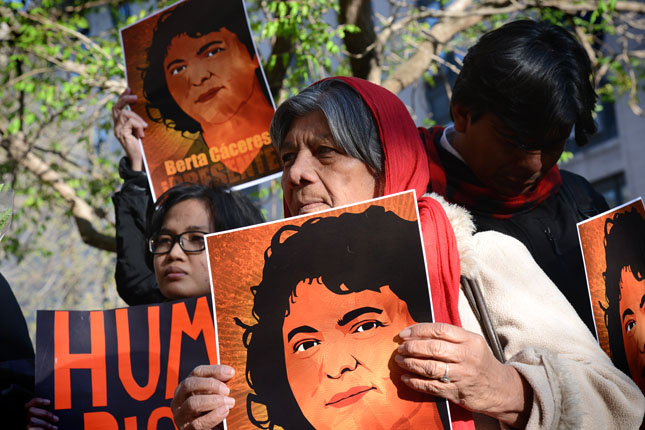
›2015 was a deadly year for environmental activism. According to Global Witness, 185 activists were killed, a 60 percent increase from 2014. Of the victims, 40 percent were indigenous people, like Berta Cáceres, who spoke at the Wilson Center last year and was shot and killed in her home in Honduras this March. [Video Below]
-
Oil, Greed, and Grievances in the Middle East and North Africa
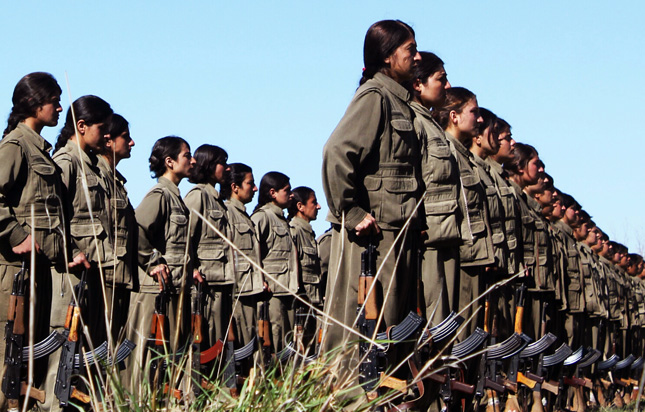
›Between 1961 and the U.S. invasion of Iraq in 2003, Iraqi Kurdistan’s quest for independence has led to the violent death of an estimated 180,000 people. At least 12 independent political groups represent the Kurdish minority in the north of the country. These groups have pursued wildly different strategies to reach their goals, some orchestrating terrorist attacks or larger-scale violence, others choosing education and propaganda campaigns, the provision of social services to gain popular support, and demonstrations.
Showing posts from category *Blog Columns.