-
Cities After Paris: The Role of Subnational Actors in Achieving International Goals
›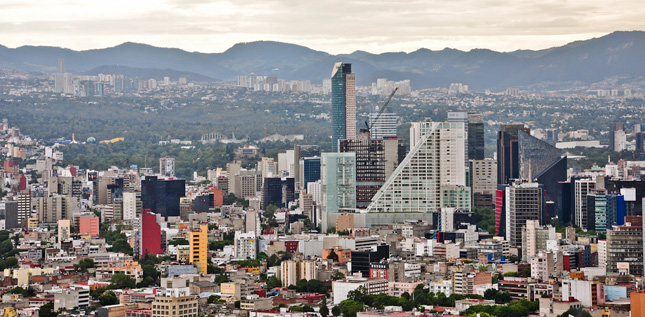
As the climate changes, cities will suffer. “These are important places that have a lot of people, property, and local economies that are going to struggle,” said Jessica Grannis, the adaptation program manager at Georgetown’s Climate Center, at a recent Wilson Center event on the role of subnational decision-makers in achieving international goals. “The good news is that, here in the United States, many cities are recognizing these threats to their people and populations, and they’re beginning to take action,” said Grannis.
-
Crisis in Lake Chad: Tackling Climate-Fragility Risks
›
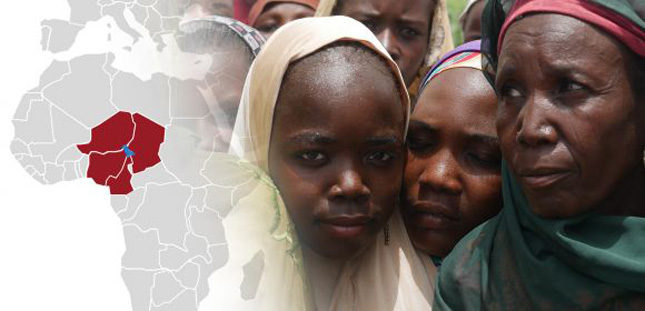
While attention in the United States is focused on the disasters in Puerto Rico and the Caribbean, a crisis across the Atlantic is rapidly becoming one of the worst humanitarian disasters since World War II. In the Lake Chad basin of West Africa, about 17 million people are affected by the emergency, struggling with food insecurity, widespread violence, involuntary displacement, and the consequences of environmental degradation. An estimated 800,000 children suffer from acute malnutrition; and although international donors pledged $672 million in February, the famine and humanitarian misery continues unabated. Suicide bombings and attacks by Boko Haram, which have killed at least 381 civilians since April 2017, have forced many people to leave their homes and farmers to leave their lands, interrupting livelihoods and reducing food supplies.
-
REDD+ Progress: Forests and Solving the Climate Change Challenge
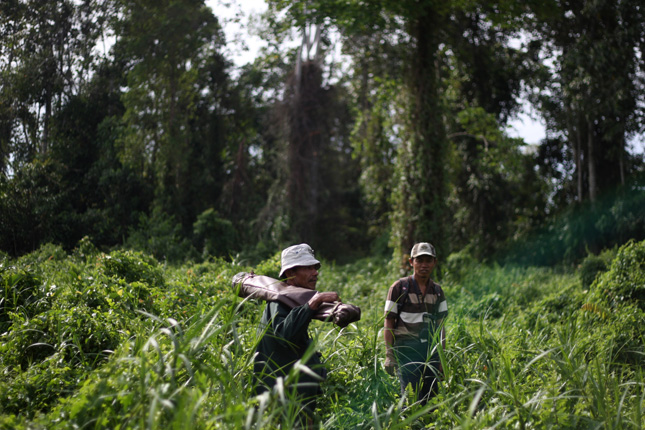
›From 1870 to 2015, the CO2 concentration in the atmosphere increased significantly, said Professor Maria Sanz, scientific director at the Basque Center for Climate Change in a recent webinar organized by WWF Forest and Climate. Forests have been responsible for global greenhouse gas emissions through forestry and other land use activities. However, she noted that forests also absorb nearly one-third of the emissions generated from fossil fuels.
-
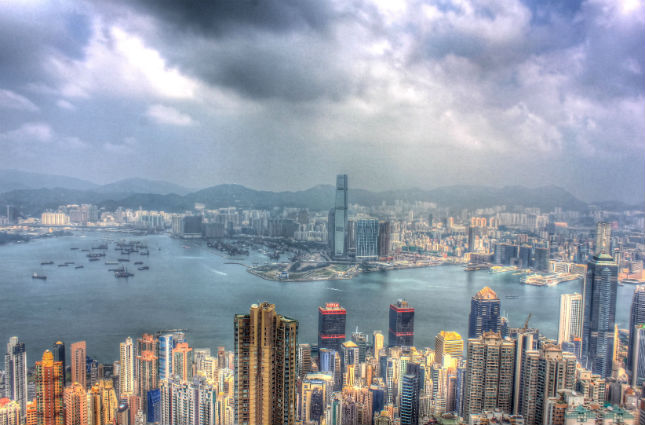
One Country, Two Water Systems: The Need for Cross-Boundary Water Management in Hong Kong and Guangdong
›In 2011, a group of Hong Kong water activists and researchers traveled the length of the Dongjiang (East) River, which stretches from northeast Guangdong Province into Hong Kong’s New Territories, to investigate the challenges facing the watershed. The Dongjiang basin, which provides nearly 80 percent of Hong Kong’s water supply, has suffered water shortages due to the region’s increasing urbanization and industrialization. They found unchecked wastewater discharges—from agriculture, poultry farms, chemical plants, tanneries, and even an open-air quartz quarry—were dangerously degrading water quality.
-
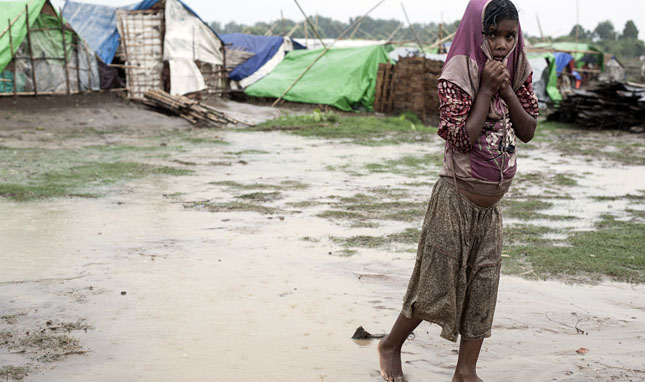
Top 5 Posts for September 2017
›Myanmar’s inter-ethnic disputes undermine an otherwise favorable backdrop for a peaceful democratic transition, write Rachel Blomquist and Richard Cincotta in New Security Beat’s most read story last month. Their analysis was published in April 2016, but it presciently foreshadows the current crisis. Through their multi-dimensional assessment of the demographic tension in Myanmar, the authors show that “[t]he path to democracy seems to cut directly through the Rohingya issue.”
-
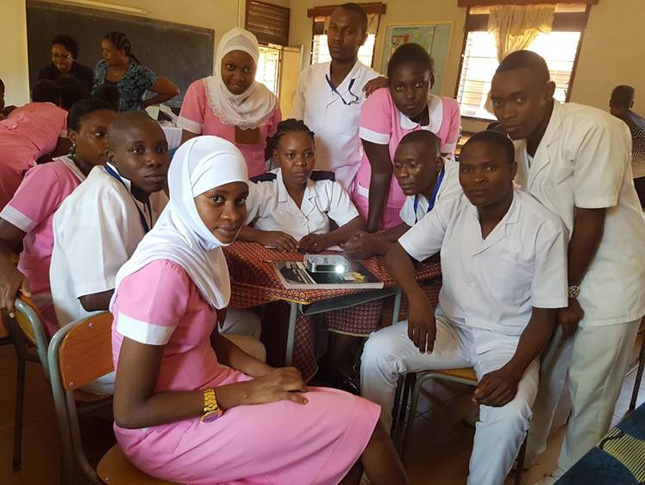
Reaching the Farthest Behind: Maternal Health Innovations at the Facility Level
›“Innovation happens when there are pioneers that stick with it,” said Monica Kerrigan, vice president of innovations at Jhpiego. “How can we—each one of us—be part of the change process?” Innovations will be essential to meeting Sustainable Development Goal #3, which is to reduce the global maternal mortality ratio to below 70 deaths per 100,000 live births. Experts from the United Nations Population Fund (UNFPA), Jhpiego, Jacaranda Health, and Total Impact Capital came together at the Wilson Center on September 14th to discuss how maternal health clinics and other facilities can be drivers of innovation.
-
Backdraft #9: Joshua Busby on Mapping Hotspots of Climate and Security Vulnerability
›Maps help us to grasp complex ideas, such as patterns of risk and vulnerability, but the stories they tell can have significant implications. “It’s very difficult to validate that what you’re capturing in the maps is representative of real-world phenomenon,” says Joshua Busby in this week’s “Backdraft” episode, describing his efforts to map climate and security hotspots in Africa and Asia. “You have to be modest in what you think the maps can tell policymakers, but also realize there is some seductive power in the way maps simplify complex reality.” -
To Fight Climate Change, Educate and Empower Girls
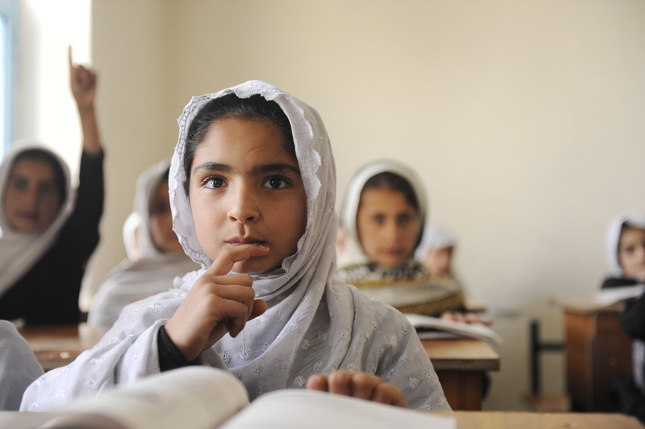
›Girls and women bear the brunt of climate change impacts. Natural disasters kill more women than men: an estimated 90 percent of those killed in some weather-related disasters were female. The effects of climate change on natural resources can also further exacerbate existing gender inequalities. Girls may be kept out of school to fetch water, as droughts drive them to walk farther and farther to find it. Seeking to stretch scarce household resources, families may marry off their daughters before the legal age and they may become more vulnerable to human trafficking after natural disasters.
Showing posts from category *Blog Columns.
 Maps help us to grasp complex ideas, such as patterns of risk and vulnerability, but the stories they tell can have significant implications. “It’s very difficult to validate that what you’re capturing in the maps is representative of real-world phenomenon,” says Joshua Busby in this week’s “Backdraft” episode, describing his efforts to map climate and security hotspots in Africa and Asia. “You have to be modest in what you think the maps can tell policymakers, but also realize there is some seductive power in the way maps simplify complex reality.”