-
We’re At Peak Storytelling – And That’s a Good Thing
›
Everywhere you look these days, you find storytellers. I’ve found myself going to fewer concerts after work and more storytelling nights. Podcasts have sprung up dedicated to the craft of narrative. It’s a brand I hear friends use to define themselves: “I’m a storyteller.” If you’re under 30, it’s a natural and ubiquitous part of the milieu.
-
Ethiopian Drought Response a Sign of How Far We’ve Come and Where We Need to Go
›
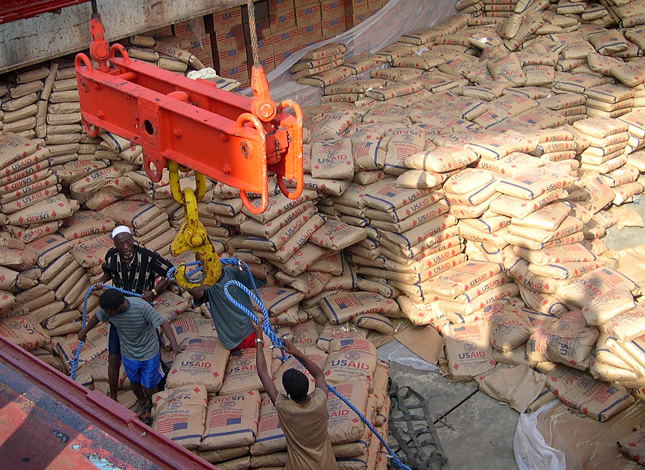
Drought in Ethiopia, exacerbated by El Niño, has put more than 10 million people in a position of being unsure how long they will have food and where it will come from next. Inevitably, the drought has been compared to the infamous drought of 1983-1984 that led to the worst famine in the country’s history, making millions destitute, and contributing to the deaths of 400,000. But Ethiopia is in a very different place today than it was in 1983.
-
Free Lunch: The Development Argument for Taking Zika More Seriously
›I recently returned to Washington, DC, after 10 days in India. New Delhi was warm, moist, crowded – and buzzing with mosquitoes. Fortunately, at least for now, their bites are little more than an itchy nuisance, which is just as well.
-
Behind the Headlines, Emerging Security Threats in the Middle East
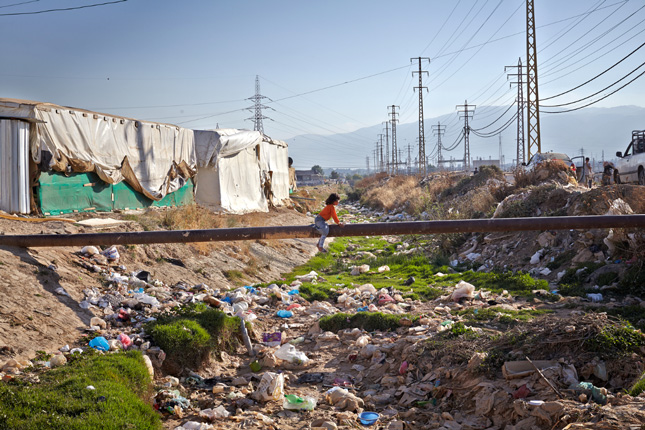
›The Middle East, as much as ever, is the focus of international attention, but the obvious crises may be a distraction from deeper underlying issues.
-
South Sudan’s Broken Oil Industry Increasingly Becoming a Hazard
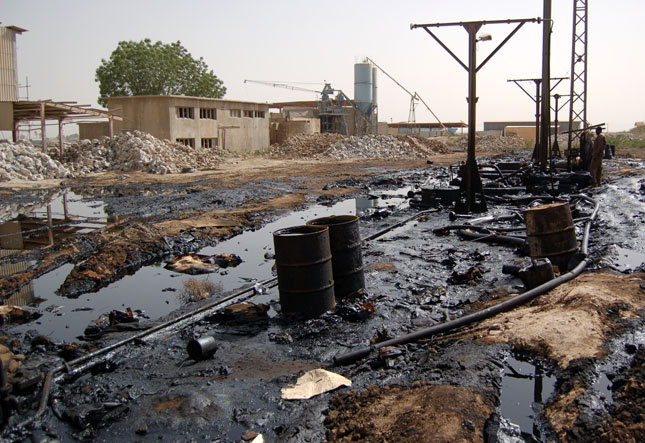
›The environment has long been a factor in violent conflict in South Sudan, especially with respect to control over oil. The first oil was discovered in 1999, and by 2007, hydrocarbons accounted for over 95 percent of Sudan’s income. South Sudan became independent in 2011 after years of war with the Sudanese government in Khartoum, intensified by local conflicts over access to oil-rich border areas. But beyond conflict, South Sudanese communities have also been ringing the alarm bell about pollution and health hazards caused by the oil industry.
-
Culture and Rights: The Struggle From Within to End Female Genital Cutting
›Ashraf and Shazia use the word “guilt” often.* Their voices tremble as they rewind to the day when they read an article in an Indian magazine, Manorama, that opened their eyes to the reality of khatna – the practice of female genital mutilation among their community. “We felt guilt – immense, powerful guilt – when we realized that this was not needed, that we didn’t need to put our elder daughter through this,” the parents say. “We had no idea this was just going on, prevalent, generation after generation.”
-
Flint Offers Lessons on How Citizen Collaboration Can Hold Governments Accountable
›A couple of weeks ago, the task force Michigan governor Rick Snyder appointed to investigate Flint’s now infamous water crisis issued its long-awaited report.
-
Breaking the Fragility Trap: What Role for the World Bank?
›Last month, the World Bank’s Fragility Forum in Washington, DC, brought together some 600 participants to discuss how to advance sustainable development in the context of increasing conflicts and violence. World Bank President Jim Yong Kim opened the forum by emphasizing that we are at a critical moment.
Showing posts from category Guest Contributor.