-
High Stakes: Understanding Risk and Why This Year’s Climate Negotiations Are So Important
›
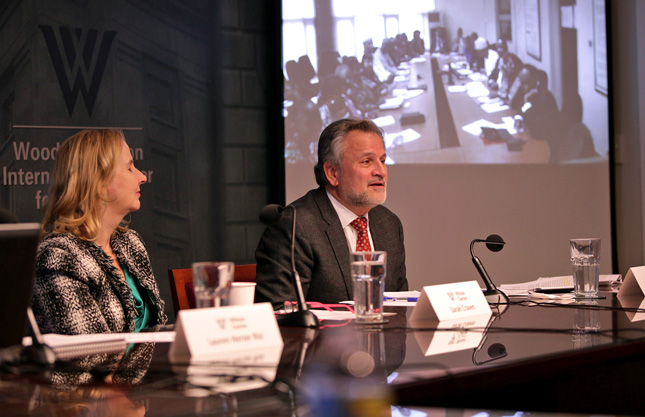
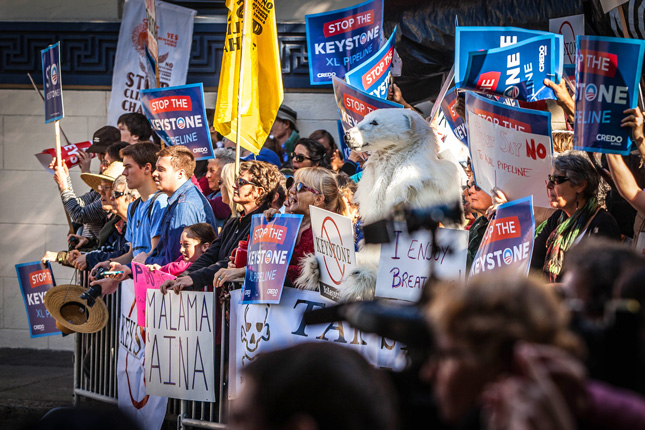
Expectations for the upcoming UN climate change summit in Paris are higher than they’ve been in years. Experts expect it will be the best chance to achieve a binding, universal agreement to limit carbon emissions. But the conference is still not getting the attention it deserves from policymakers and the public, given the stakes – and not just for the environment but for the international system writ large, said Nick Mabey, founding director and chief executive of the UK-based environmental NGO E3G at the Wilson Center on February 12.
-
Measuring Maternal Health in a Post-MDG World
›
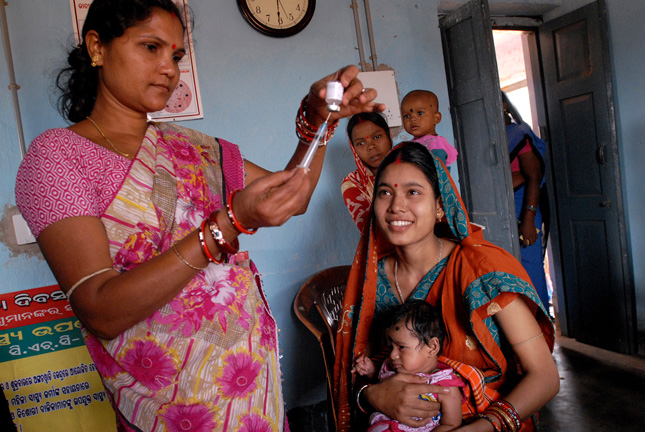
As the international development community looks back on the Millennium Development Goals and ponders what remains to be done under the proposed Sustainable Development Goals, the maternal health field has some reflecting to do, said Dr. Ana Langer, professor and director of Harvard’s Maternal Health Task Force at the Wilson Center on December 1. [Video Below]
-
As Humanitarian Crises Multiply, Maternal Health and Safety of Women Becoming a Focus
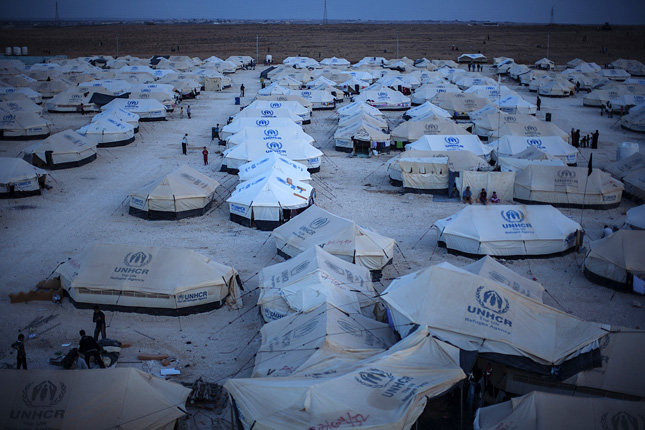
›Accessing maternal health care is already a challenge in many countries, and when conflict erupts or a disaster strikes, it can get even worse, leaving millions of women on their own while at their most vulnerable, said Ugochi Daniels, chief of humanitarian response for the UN Population Fund (UNFPA). Women and girls also become more vulnerable to violence during times of crisis, she said, by virtue of nothing but their gender. [Video Below]
-
Emerging Priorities for Maternal Health in Nigeria: Surveying the Field
›“Nigeria’s population is only two percent of the world population, but we contribute about 10 percent of the maternal mortality,” said Oladosu Ojengbede, professor and director of the University of Ibadan’s Center for Population and Reproductive Health. [Video Below]
-
Reporters Predict Contentious Year Ahead for Environment and Energy
›With the Obama Administration moving forward on emissions reductions, the deadline for drafting the Sustainable Development Agenda, and a highly anticipated global climate summit in Paris, 2015 promises to be a crucial year for climate policy. “In many ways, last year was the year of building momentum, and this is the year of getting the work done,” said Lisa Friedman, deputy editor of ClimateWire, at the Wilson Center on January 5. [Video Below]
-
Integrated Development, Focus on Empowerment Builds Resilience in Nepal
›From the mountains and foothills of the Himalayas to the Terai plains, climate change is rapidly changing life in Nepal. Many communities however, are not strangers to environmental stress; for decades, rapid population growth alongside agriculture and fuelwood collection have degraded land and diminished forests. [Video Below]
-
Can the Military Help Change the Way We Think About Energy?
›How to stop climate change while expanding energy production is one of the biggest challenges in global development. Doing so requires all kinds of improvements in efficiency – from reducing the amount of electricity lost in transmission to better motors and lightbulbs. But, as demonstrated by recent efforts in the Pentagon, changes to how people work may be the lowest hanging fruit.
-
Bridging the Gap: Family Planning, Rights, and Climate-Compatible Development
›“There is no magic bullet or solution to resolving climate change quickly,” said the Population Reference Bureau’s Jason Bremner at the Wilson Center on October 28. “Our next 100 years will be far different from the last 100 or the last 1000…and it has become clear that nations will have to pursue many strategies in order to reduce emissions, build resilience, and adapt.” [Video Below]
Showing posts from category From the Wilson Center.