-
Factor Housing into Maternal and Neonatal Health Policy
›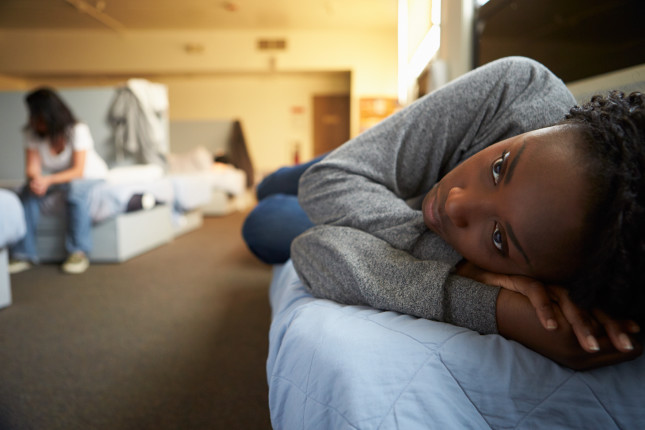
The United States is facing a crucial moment, one in which more pregnant women are at risk of becoming housing insecure than at any other time in recent history. This leaves an unprecedented number of mothers and babies vulnerable to the associated adverse health risks. Housing instability – which includes challenges ranging from struggles paying rent to chronic homelessness – harms maternal and neonatal health as much as smoking during pregnancy. The economic effects of COVID-19 threaten to exacerbate the adverse health outcomes associated with homelessness.
-
Māori Midwives on the Power of Indigenous Birthing Practices
› Camille Harris, Registered Māori Midwife, is unapologetic about her decision to study midwifery and practice exclusively with Māori families, in this week’s Friday Podcast. “It was always to serve my people,” she said. Both Harris and her professional partner, Registered Māori Midwife, Waimaire Onekawa, started their midwifery careers later in life with a clear dedication to Māori women in New Zealand. “And we just want to be able to give women—Māori women—and whanau [family], the love and care that we would hope to receive if we were the people being the recipients,” said Onekawa.
 -
Shaping a Maternal Mental Health Crisis Response to COVID-19
›As the number of confirmed COVID-19 cases and deaths rise, women are experiencing more anxiety both during and after pregnancy. One-third of all mental health problems are associated with adverse childhood and community experiences—the pandemic is an adverse community experience being felt worldwide.
-
Midwife-Delivered Interventions Could Provide Dramatic Benefits
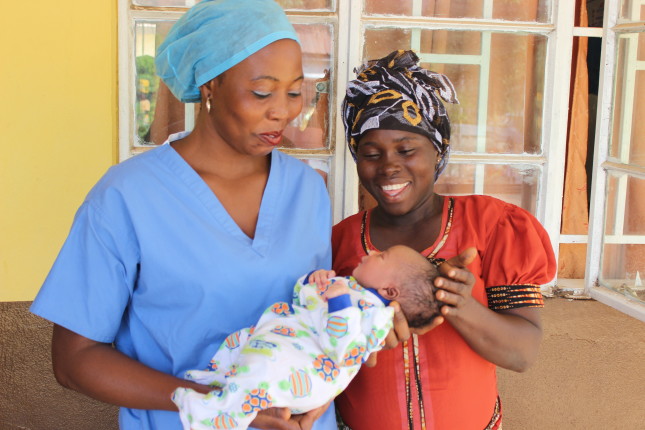
›In a year that has presented enormous challenges, it is even more gratifying to present evidence that strengthens the importance of midwives as providers of essential sexual and reproductive health (SRH) services and the impact they can have on maternal and neonatal mortality and stillbirths, said Anneka Knutsson, Chief of the SRH Branch at the United Nations Population Fund (UNFPA) at a recent Wilson Center event, in partnership with UNFPA and Johnson & Johnson, to launch the Impact of Midwives study conducted by UNFPA, the International Confederation of Midwives (ICM), and the World Health Organization (WHO) and published in The Lancet Global Health. -
More Midwife-based Interventions Could Save Millions of Lives
›“This is real,” said Franka Cadée, President of the International Confederation of Midwives (ICM). “And we can no longer get around it. And we can no longer linger.” She spoke at a recent Wilson Center event, in partnership with the United Nations Population Fund (UNFPA) and Johnson & Johnson, launching a new study, Impact of Midwives, published in The Lancet Global Health. If any other intervention could have the same impact as midwives or midwifery, it would be implemented worldwide immediately, she said.
-
Reproductive Justice in the United States Prison System
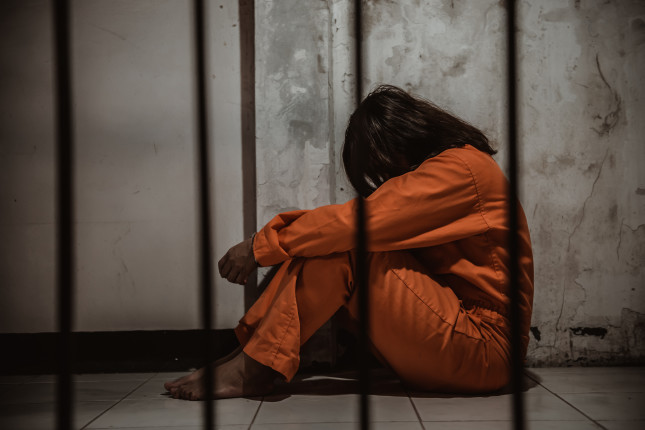
›The United States imprisons the most women in the world. Across the United States, approximately 200,000 women are incarcerated—nearly an 800 percent increase since 1980. Women of color are disproportionately affected by the criminal justice system. In 2017, twice as many Black women and 1.3 times as many Hispanic women were incarcerated compared to white women. An often overlooked aspect of the increasing rates of women’s incarceration is the impact on the sexual and reproductive health needs of these women. “Despite being the fastest growing incarcerated population, women and girls are correctional afterthoughts,” writes Kimberly Haven, an activist and formerly incarcerated woman who had to undergo a hysterectomy—a surgical procedure to remove the uterus (and, with it, childbearing possibilities)—after being denied proper menstrual products while incarcerated.
-
Interdisciplinary Solutions Will Improve Alaska Native Maternal Health (Part 2 of 2)
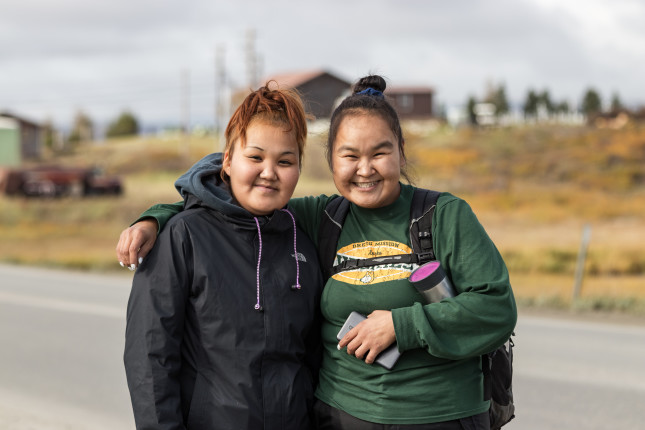
›Dot-Mom // Navigating the Poles // November 18, 2020 // By Deekshita Ramanarayanan, Michaela Stith, Marisol Maddox & Bethany JohnsonThe United States is in the midst of a maternal health crisis. Indigenous and Alaska Native peoples are 2.3 times more likely to die from pregnancy-related complications than their white counterparts. In Alaska, unequal socio-economic status, lack of access to hospitals and quality health services, systemic racism, and a history of colonization drive these disparities in maternal health outcomes. “Weathering”—the deterioration of communal health outcomes caused by persistent socio-economic disadvantages—contributes to many poor maternal health outcomes for Alaska Native women. On top of these systemic problems, climate change impacts threaten to widen the existing disparities for Alaskan Native women.
-
A Dangerous Dichotomy: Women’s Paid and Unpaid Work During COVID-19
›“While the global crisis has increased demand for research, such opportunities have created inequalities and distortion in the scientific community,” write the authors of a recent Social Science Research Network (SSRN) study that examines the gendered impact of COVID-19 in academia. The study finds that COVID-19 has disproportionately penalized the scientific productivity of female academics.
Showing posts from category Dot-Mom.
 Camille Harris, Registered Māori Midwife, is unapologetic about her decision to study
 In a year that has presented enormous challenges, it is even more gratifying to present evidence that strengthens the importance of midwives as providers of essential sexual and reproductive health (SRH) services and the impact they can have on maternal and neonatal mortality and stillbirths, said Anneka Knutsson, Chief of the SRH Branch at the United Nations Population Fund (UNFPA) at a recent Wilson Center event, in partnership with UNFPA and Johnson & Johnson, to launch the