-
The Rising Challenge of Dairy Greenhouse Gas Emissions
›China Environment Forum // Guest Contributor // August 31, 2023 // By Ben Lilliston & Shefali Sharma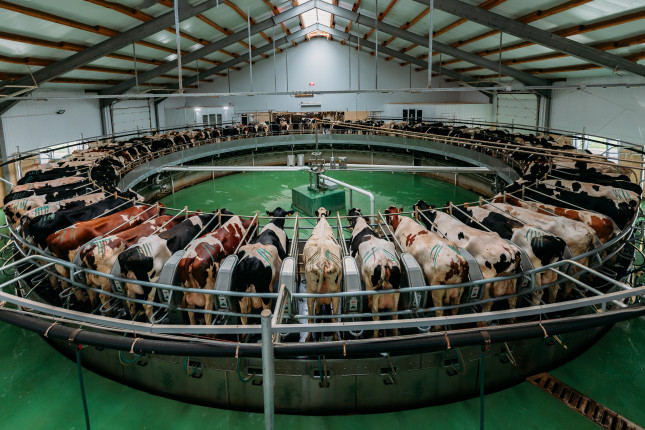
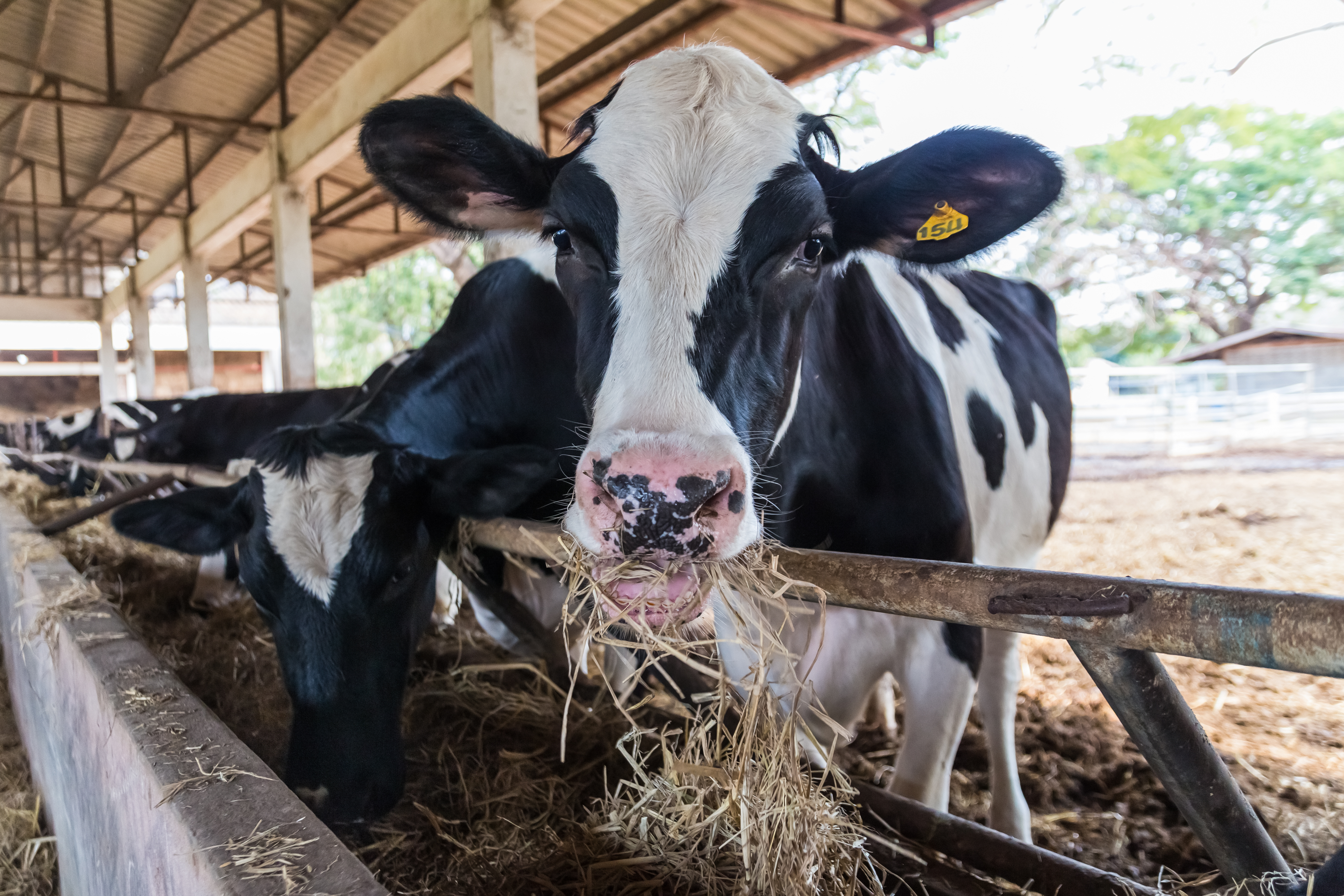
The abundance of milk, cheese, and egg on our kitchen tables are inseparable from the rise of large feed-grain-dependent dairies. In today’s global dairy industry, giant dairy farms are displacing smaller farms and increasing methane emissions. China’s rapid dairy expansion, alongside major players like the EU, US, and New Zealand, also raises environmental concerns. What can government regulators and stakeholders do to curb greenhouse gas emissions from the dairy industry?
-
How China’s Mountain Farmers are Coping with Climate Change
›China Environment Forum // Cool Agriculture // Guest Contributor // August 24, 2023 // By Miaomiao (Mira) Qi
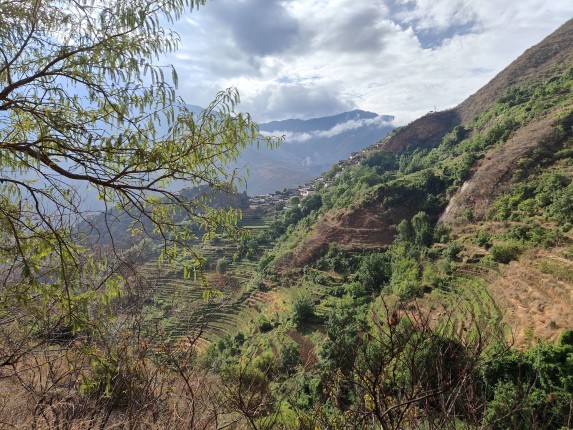
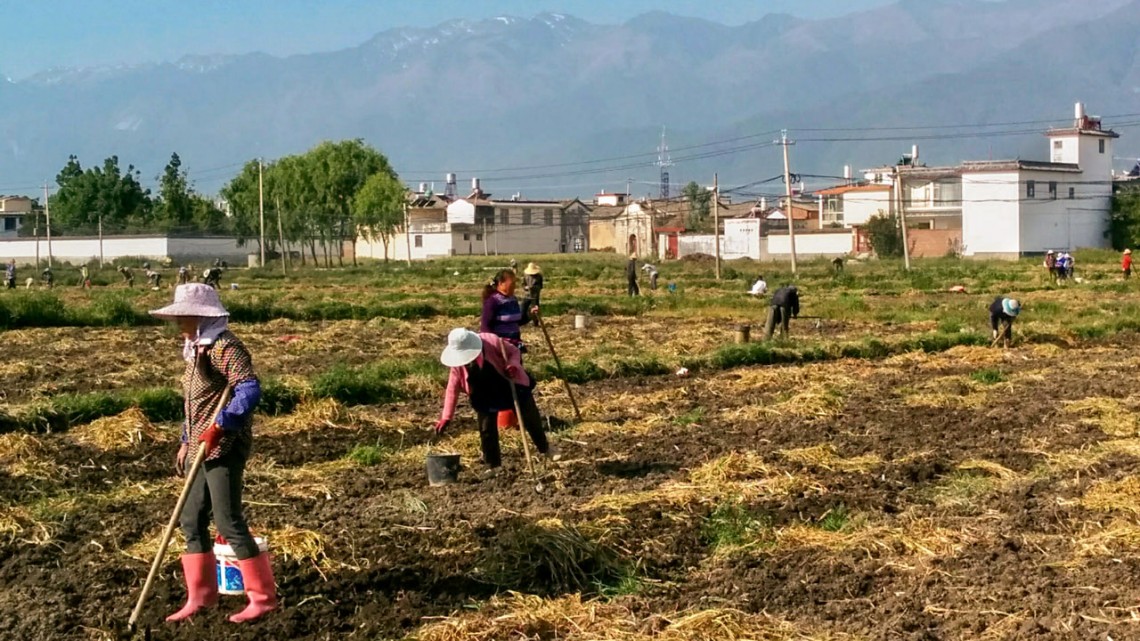
Faced with the grim situation of normalized extreme heat and drought, it is imperative for China to improve agricultural resilience to climate change. Rural communities, often led by women, are using seed banks and traditional techniques to boost local crop diversity and food security in order to adapt to climate change.
-
China Leads the Race to the Bottom: Deep Sea Mining for Critical Minerals
›In December 2022, at the Nansha District port in the Pearl River Delta, the China State Shipbuilding Corporation unveiled China’s first oceanographic drilling ship—capable of mining 10,000 meters deep. This launch showcased China’s rapid advances as a major player in the global race to extract critical minerals at the bottom of the ocean.
-
Defueling California’s Wildfires with Sheep
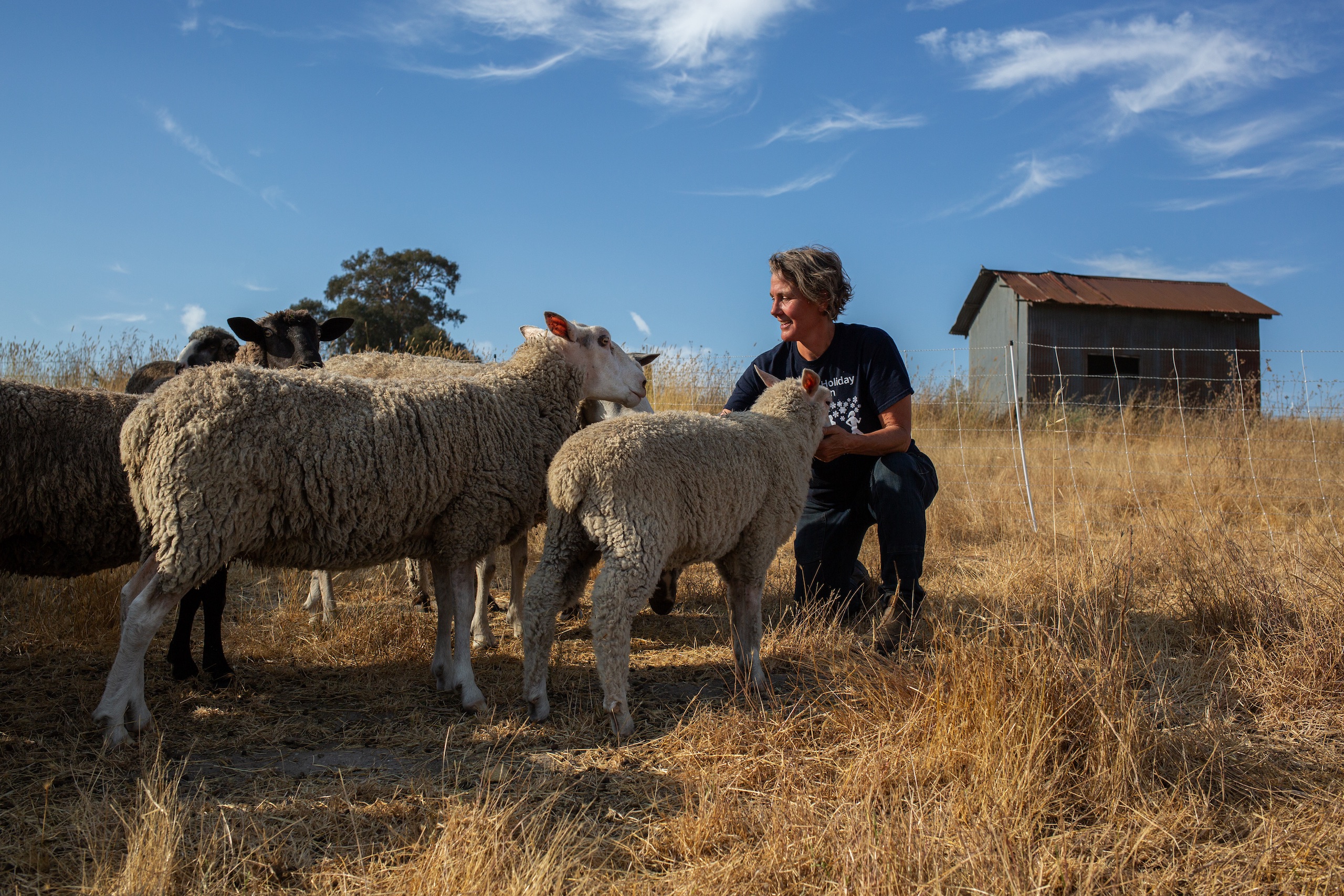
›China Environment Forum // Cool Agriculture // Guest Contributor // August 10, 2023 // By Alastair BlandThe excited bleating of sheep crescendos as farmer Sarah Keiser approaches. “Hi babies,” she says as she steps over a deactivated electric fence and greets the eager flock. It is late July, it hasn’t rained for two months, and the hills around the town of Penngrove, in northern California, have turned a dull brown. -
No Water, No Food – Glacier Loss Threatens US and Chinese Agriculture
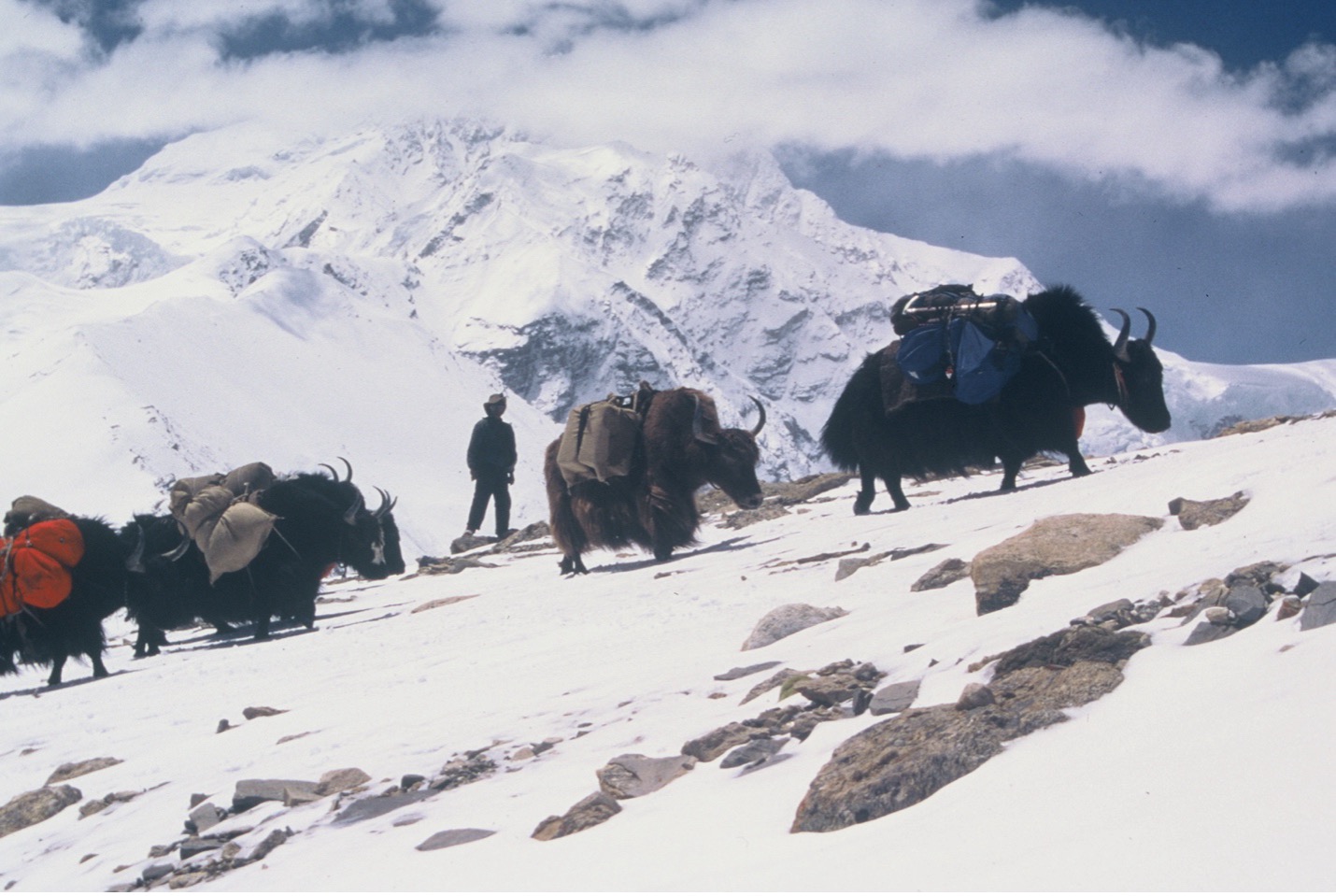
›Picture this: A parade of yaks carrying insulated boxes containing meter-long ice core samples from Tibetan glaciers. “Yaks are like cats,” elite glacier scientist Lonnie Thompson explained in a 2023 Wilson Center webinar. They like to wander off — and it takes experienced Tibetan yak herders to keep them moving in the same direction.
Yet these yak-schlepped ice cores are essential to climate science, added Ellen Mosely Thompson. They store thousands of years of atmospheric dust and gasses in distinct layers and serve as a record of our changing climate.
-
Taking a Big Bite Out of Methane in Meat and Milk
›China Environment Forum // Cool Agriculture // Guest Contributor // June 28, 2023 // By Christopher GambinoAs a potent greenhouse gas, methane puts food production in jeopardy though its impacts on planetary warming, reduction of crop yields via tropospheric ozone, and drops in livestock productivity. Cattle, sheep, and goats emit methane as a natural part of their digestive process as ruminants (technically known as “enteric fermentation”) as they turn the fibrous plants of their diet into milk and meat.
-
Bottom-up Moo-vement: Reducing Methane Emissions from US and Chinese Cows
›When cows eat, they burp. And what they exhale generates almost a third of global methane emissions – a greenhouse gas 80 times more potent in warming the climate than CO2. So tracking this short-lived climate gas is crucial.
Six miles from Bakersfield, California, at the Bear 5 cow feedlot, this work is starting to happen. High-resolution satellites are being used for the first time at the feedlot to track methane emissions from cow burps. Measuring cow belches from space is bringing critical attention to the brewing climate issues from cows. After all, the methane produced by these gassy animals in one year at Bear 5 cow feedlot alone could power more than 15,000 homes in California.
-
China’s Ecological Migration from the Ground Up
›Zhang Jian, a rural Chinese citizen living in the greater Kunming municipal region, readied himself for resettlement. After the state zoned his village for conservation, the next step for him and his rural comrades appeared to be resettlement into an urban high-rise apartment. Ecological migration is the official term used by the Chinese government for state-led processes of resettlement in the name of environmental protection. Journalists and researchers have predominantly focused on such resettlement programs in China’s west, particularly those related to grazing and anti-desertification campaigns. Less attention has been given to the ecological migrations occurring in China’s municipal regions, which are precipitating the movement of millions of rural landholders into, mainly, high-rise apartments.
Showing posts from category China Environment Forum.