-
“Let’s Start From Here”: Local Solutions for Loss and Damage and Livelihood Resilience
›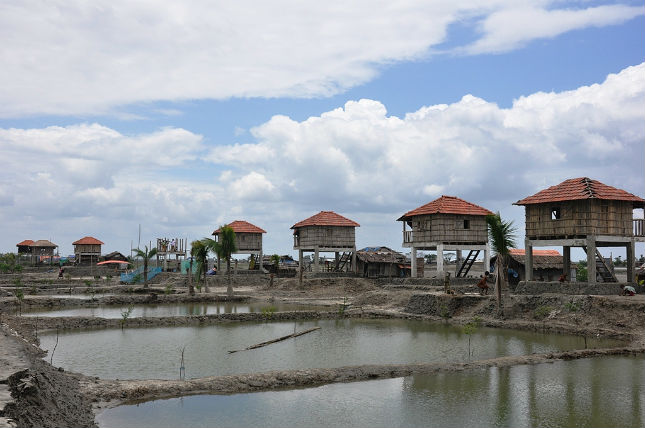
Without warning, water rushed into a woman’s home on a raised platform above the floodplain of Bangladesh’s Teesta River. She was just a hand’s distance from her infant son, but she couldn’t stop him from falling into the floodwaters. “She can’t recover back from the trauma,” said the University of Dundee’s Nandan Mukerjee of the mother who lost her child to the currents of climate change.
-
Top 5 Posts for October 2017
›
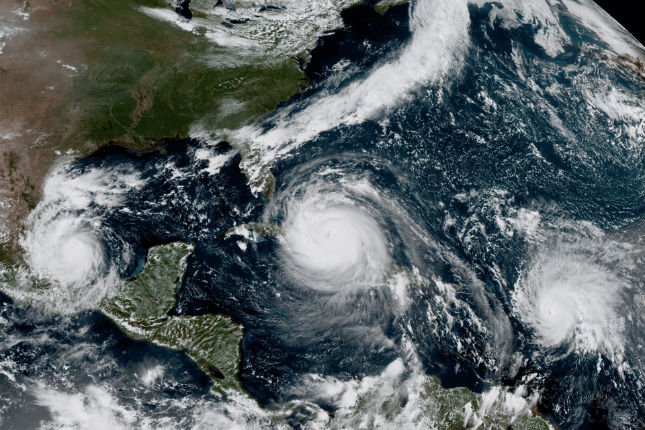
Hurricanes Irma and Maria devastated Puerto Rico, leaving many on the island without power, drinking water, or cellular service. Such disasters are not just an issue for the Caribbean, said the Wilson Center’s Roger-Mark De Souza in an interview with WOUB that was last month’s most read story on New Security Beat. All coastal areas of the United States, with their growing populations and vulnerable but valuable infrastructure, should be prepared to face more severe climate-related natural disasters.
-
Sustainable Water, Resilient Communities: The Challenge of Too Little Water
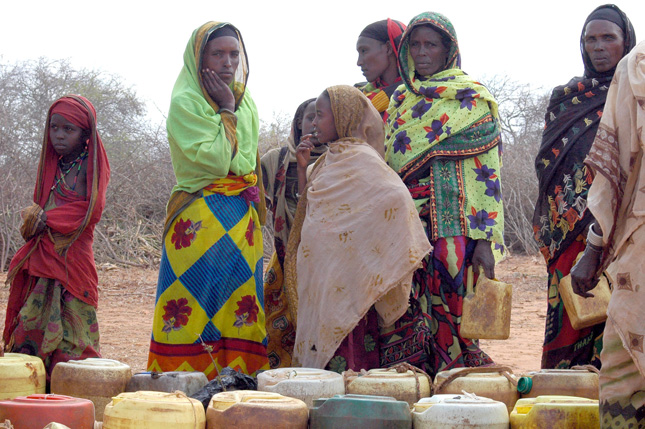
›From the Wilson Center // Water Security for a Resilient World // October 27, 2017 // By Gretchen JohnsonWater is a “strategic instrument in the creation of a safer, healthier, more nutritious, less aggressive world,” said Winrock International President and CEO Rodney Ferguson at the first event in a four-part series on water security organized by the Wilson Center and the Sustainable Water Partnership. Panelists at the event identified innovative and integrated efforts necessary to increase global water security in the face of growing water scarcity.
-
GMOs: Can U.S.-China Cooperation Address Public Distrust and Increase Food Security?
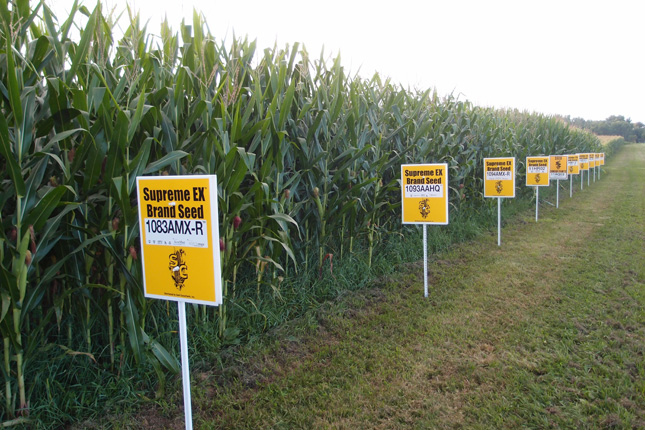
›Today, China feeds 1.38 billion people—approximately one-fifth of the global population—with about 10 percent of the world’s arable land. Compared to the United States, where each acre of land feeds one citizen on average, China has only 0.2 acres per person. This people-to-land mismatch helps explain why 9.3 percent of China’s population was undernourished in 2015.
-
Climate Variability, Water, and Security in El Salvador
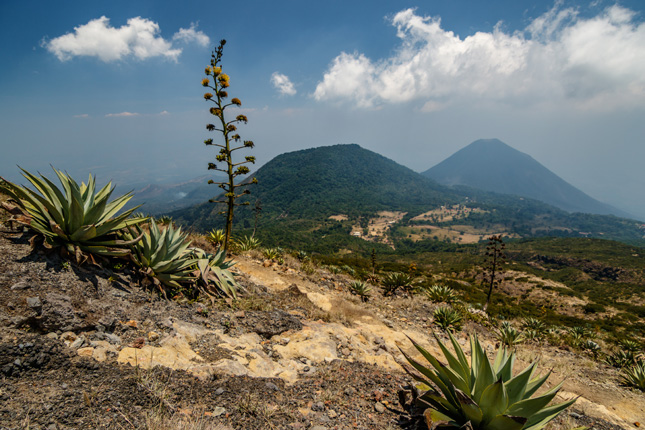
›Water-related challenges in El Salvador have acquired far greater significance over the past decade as they have intersected with other social problems including migration, criminal violence, and drug trafficking. When combined, these factors pose threats to domestic and regional stability. Damaging heavy rains, droughts, and rising temperatures are exacerbated by steadily intensifying El Niño oscillations and threaten the production of staple and export crops. The declining viability of rural livelihoods is driving many farming families to migrate to urban centers or across borders. Food security is a constant concern across the region, and millions already rely on humanitarian assistance. Infrastructure has been damaged repeatedly by floods and raging rivers. El Salvador can mitigate many of these risks by employing ecological landscape restoration. Improving the soil’s capacity to retain and regulate water will help maintain both agricultural and ecological viability.
-
Water Stress, Instability and Violent Extremism in Nigeria
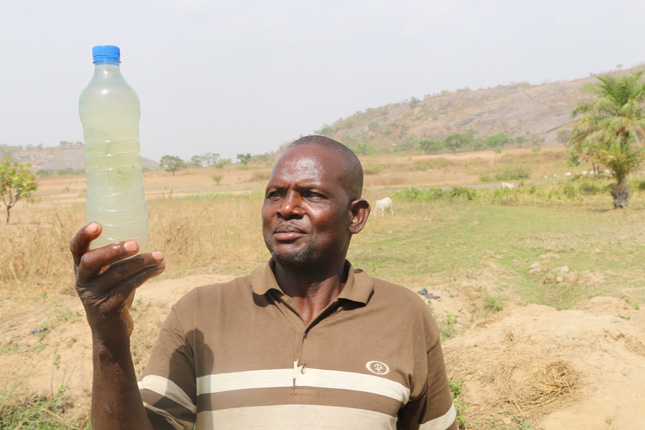
›Nigeria is ranked among the most fragile states in the world. The country faces significant water challenges, which vary greatly from one region to another. Weak governance exacerbates these water challenges, while conflicts over water resources make governance more difficult. There are three main geographical flashpoints where conflict over water is likely to break out. In the north and northeast, Boko Haram has waged a violent insurgent campaign since 2010; among their demands is government provision of clean water. In Nigeria’s Middle Belt, changing rainfall patterns are limiting the grazing area of Muslim Fulani herders, who then encroach on the land of predominantly Christian farmers. Conflict over these lands killed more Nigerians than Boko Haram in 2016. Finally, in the Niger Delta, militant groups are attacking oil infrastructure, partially motivated by conflict over rights to land and waterways. Oil spills also contribute to food insecurity and malnutrition in this region.
-
MCC Mobilizes Private-Sector Investment to Expand Access to Water in Jordan
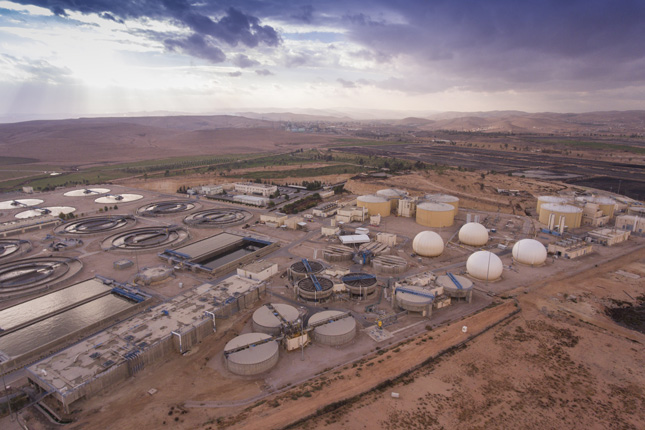
›In Jordan—one of the driest, most water poor countries in the world—population growth is straining the country’s aging infrastructure and limited water resources. As the Jordan country director for the Millennium Challenge Corporation (MCC), I’ve met urban residents and business owners who have only received water from the city utility once every two weeks, relying on storage tanks to fill the gaps. I’ve spoken with water utility managers who could no longer keep up with urgent repairs, leading to bursting water pipes and sewage overflowing into streets. And farmers in the Jordan Valley have told me that each year their wells have grown drier, and they feared the next generation would be forced to give up farming olives, tomatoes, grapes, and strawberries.
-
Feeding the Future? One Year After the Global Food Security Act
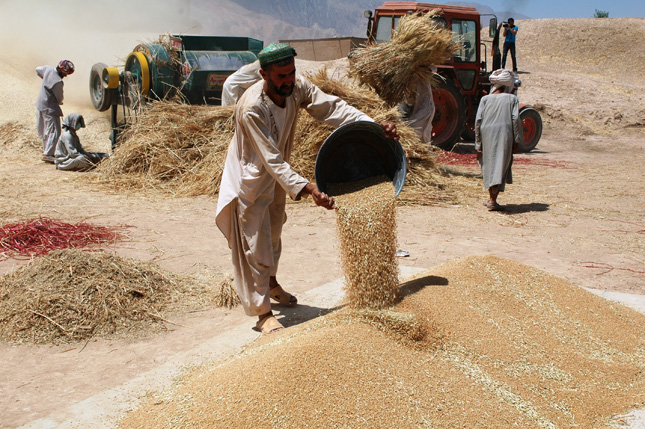
›“The United States should maintain a unique leadership role in global food security,” said former Senator Richard Lugar at a recent Center for International & Strategic Studies event, “The U.S. Global Food Security Strategy: Progress, Setbacks, and Forward Momentum,” which marked the one-year anniversary of the passage of the Global Food Security Act. Signed into law on July 20, 2016, the act required the interagency Feed the Future initiative to develop the first-ever U.S. Global Food Security Strategy.
Showing posts from category agriculture.