-
Lessons From Katrina: Can Media-Citizen Collaboration Help Cities Adapt to Climate Risks?
›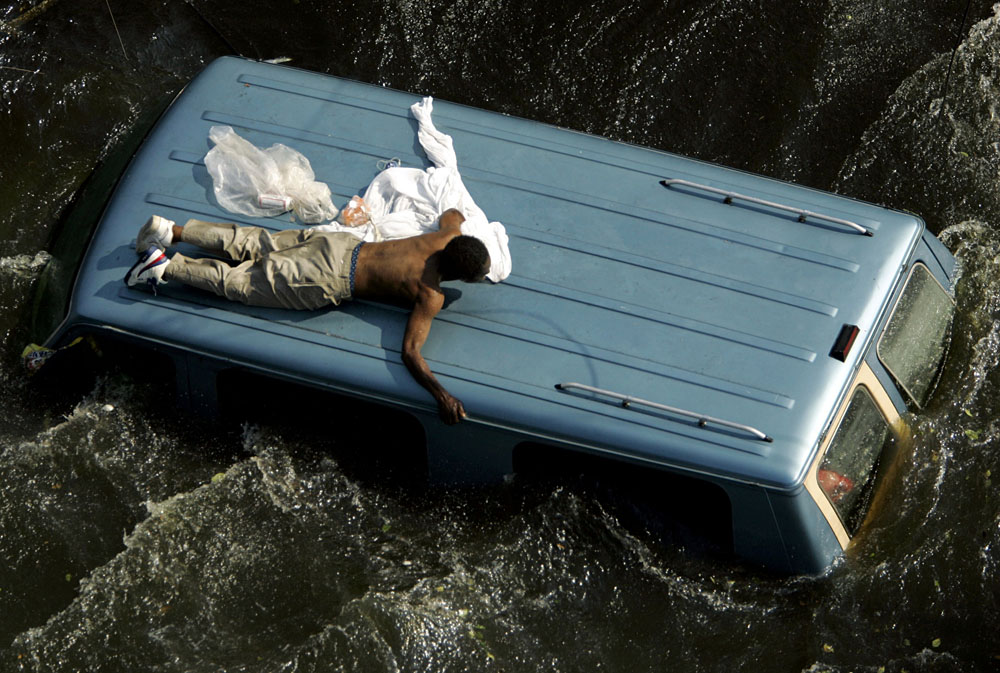
Ten years ago this month one of the United States’ deadliest and most costly storms, Hurricane Katrina, struck the Gulf Coast. In Louisiana, the storied city of New Orleans was dealt a particularly devastating blow. Hundreds died and the city suffered extensive damage as 80 percent of its neighborhoods flooded, prompting an exodus it is still recovering from.
-
Sally Edwards on Health and Climate Change in the Caribbean: “It’s a Very Complex Web”
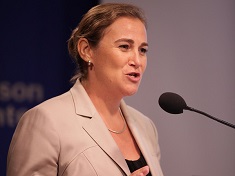
› “The relationship between human health…and environmental changes is extremely complex,” says Sally Edwards, advisor for sustainable development and environmental health of the Pan-American Health Organization/World Health Organization office for the eastern Caribbean countries, in this week’s podcast.
 -
Heather McGray & Kathleen Mogelgaard, World Resources Institute
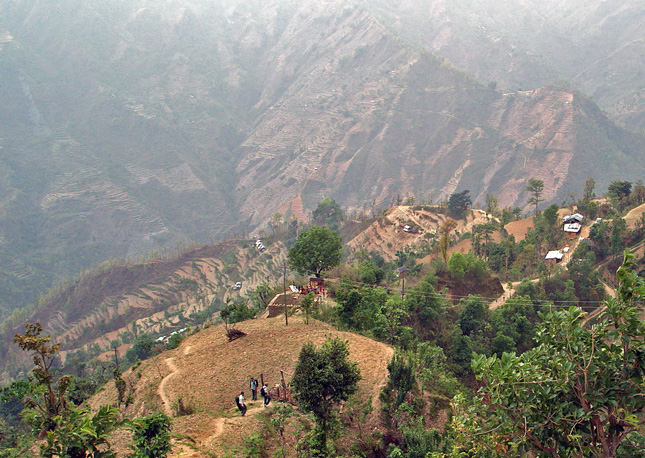
Not Just Mitigation: National Climate Plans Raise Adaptation’s Profile
›August 13, 2015 // By Wilson Center StaffAs the world prepares for a pivotal climate conference in Paris this December, countries are offering their national plans to tackle a changing climate. These plans, known as intended nationally determined contributions (INDCs), contain details of what each country is prepared to do as part of a new global climate agreement. While the public focus is often on mitigation – how much countries are willing to reduce emissions, by when, and with what degree of transparency – adaptation to the impacts of climate change demands the same level of attention. In fact, the last round of international climate talks in Lima invited parties to include adaptation in their INDCs.
-
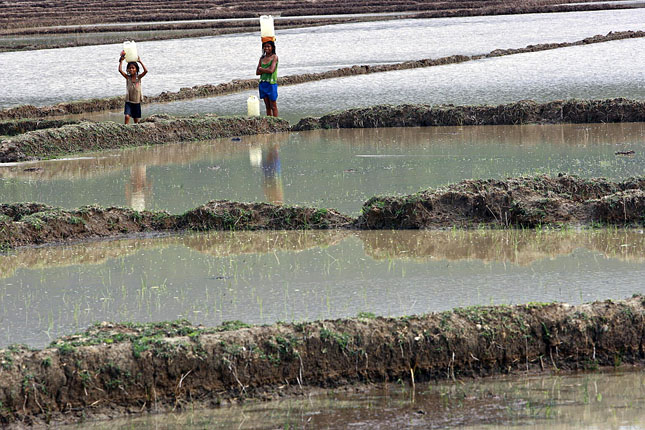
Without Water, No Sustainable Development: World Water Week 2015
›The World Economic Forum recently named water crisis the world’s number one risk for the next 10 years for its potential impact on people and industry. Indeed, as the global community grapples with climate change – and environmental change of all kinds – understanding the fundamental nature if water to human society is crucial. The input report for this year’s World Water Week, released yesterday by the Stockholm International Water Institute, in fact argues that getting water management right is a prerequisite for sustainable development.
-
The SDGs Are All About Integration – Good Thing PHE Programs Have Been Doing That for Years
›Last week, the United Nations concluded one of the last negotiations on the road to adopting the Sustainable Development Goals in September. We’ve entered the home stretch of a process that has taken more than two years, bringing governments, civil society organizations, and communities together to define the development goals and targets that UN member states will be expected to aim for over the next 15 years.
-
Roger-Mark De Souza: Focus on Urban Dynamics, Water Scarcity in Latin America and the Caribbean
›For the past four decades, urbanization in Latin American and Caribbean countries has been on the rise. Today it’s one of the most urbanized regions of the world with 79 percent of the population living in towns and cities. By 2050, 9 out of 10 residents are expected to live in cities. This density and movement of people is critical to understanding the region’s water and climate change issues, says ECSP’s Roger Mark De Souza in this week’s podcast. -
Turning the Climate-Security Problem on Its Head: Geoff Dabelko Talks G7 ‘Climate for Peace’ Report
›Conversations around climate change often take place at the “30,000-foot level,” said Ohio University Professor and ECSP Senior Advisor Geoff Dabelko in a recent radio interview with WOUB Public Media, based out of Athens, Ohio. Emission reductions, carbon concentrations, global temperatures. But a certain amount of change is already baked into the system and impacts are playing at in different ways around the world already. -
A World of Extremes: New Thinking Needed to Reconcile Food-Water Choke Points
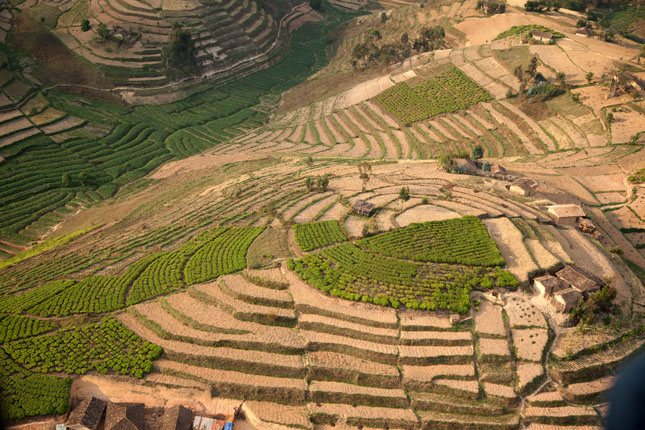
›Food and water are tied to one another fundamentally. But in addition to their biophysical relationship, human systems intervene, whether through pricing schemes and trade agreements or shifting patterns in consumption and taste.
Showing posts from category adaptation.
 “The relationship between human health…and environmental changes is extremely complex,” says Sally Edwards, advisor for sustainable development and environmental health of the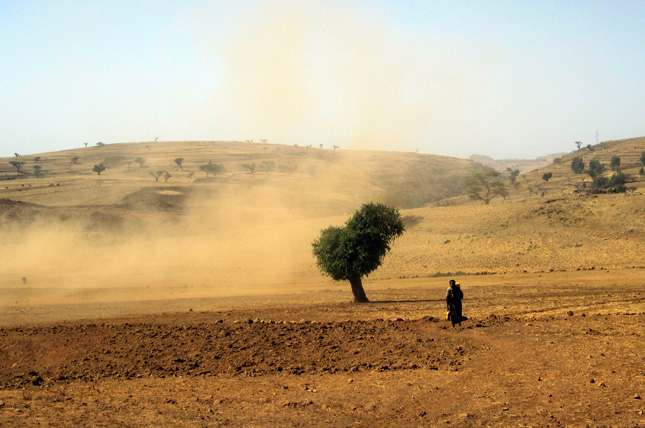
 For the past four decades, urbanization in Latin American and Caribbean countries has been on the rise. Today it’s one of the most urbanized regions of the world with 79 percent of the population living in towns and cities. By 2050, 9 out of 10 residents are
 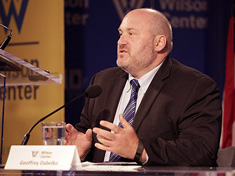 Conversations around climate change often take place at the “30,000-foot level,” said Ohio University Professor and ECSP Senior Advisor Geoff Dabelko in a recent