

-
Pathways to Resilience: Evidence on Links Between Conflict Management, Natural Resources, and Food Security
›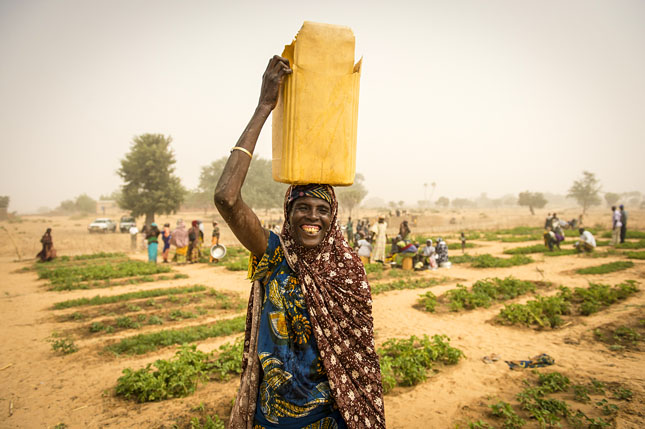
In 2015, the NGO Mercy Corps released some surprising findings from conflict management programs in the Horn of Africa. Interventions from 2013 to 2015 focused on building community-level cooperation, strengthening institutions, and enhancing resilience. The results indicate that natural resource management can be a key governance pillar to build around and that such cooperation can strengthen household resilience to climate and food security shocks. [Video Below]
-
From Climate Challenge to Climate Hope: Embracing New Opportunities This Earth Day
›April 22, 2016 // By Roger-Mark De Souza
This Earth Day, the United States, China, and Canada are among more than 170 countries expected to take part in the largest one-day signing of an international agreement in history. The ratification of the climate agreement hammered out at the Paris Conference of Parties (COP-21) last December could be the most significant elevation of environmental issues on the global stage yet.
-
Breaking the Fragility Trap: What Role for the World Bank?
›Last month, the World Bank’s Fragility Forum in Washington, DC, brought together some 600 participants to discuss how to advance sustainable development in the context of increasing conflicts and violence. World Bank President Jim Yong Kim opened the forum by emphasizing that we are at a critical moment.
-
What Next? Climate Adaptation After Paris
›In December 2015, representatives from 195 nations gathered in Paris for the 21st Conference of the Parties (COP-21) to the UN Framework Convention on Climate Change. After two weeks of intensive negotiations, countries approved an agreement that charts new territory for global cooperation to address climate change. [Video Below]
-
What Happens When You Can’t Build Back? Addressing Climate Change Loss and Damage
›The world is entering a new phase of climate change defined by “failure to mitigate sufficiently and failure to adapt sufficiently,” said Saleemul Huq, director of the Bangladesh-based International Center for Climate Change and Development, at the Wilson Center on March 16. [Video Below]
-
Ruth Greenspan Bell, The Guardian
In the Fight for Climate Action, Data Isn’t Always Your Friend
›April 6, 2016 // By Wilson Center StaffWhen anyone wishes to support – or defeat – a given position, the sturdiest method is to generate data to predict its consequences. Advocates generate reams of numbers to substantiate their preferred outcome.
-
Sharon Burke on How the U.S. Military Is Planning for Climate Change
›Climate change is impacting the U.S. military in two major ways, explains Sharon Burke in this week’s podcast. -
Susan Martin: Migration a Climate Adaptation Strategy, But Displacement More Dangerous
›When it comes to environmental change, “policies and laws can have a very productive contribution toward positive adaptation, or they can subvert that and constrain options,” says Jon Unruh, associate professor of human geography and international development at McGill University, in this week’s podcast.
Showing posts from category adaptation.
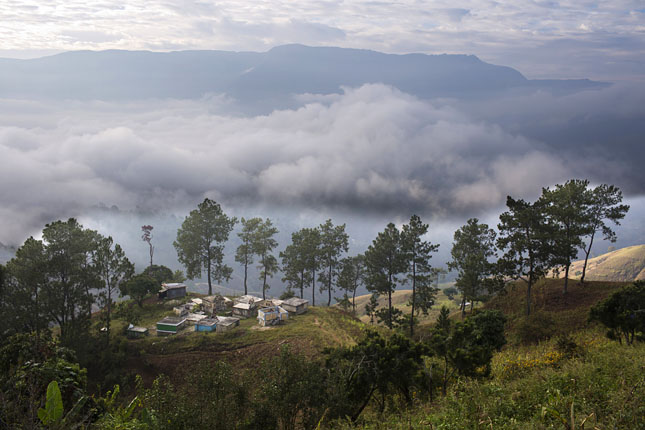
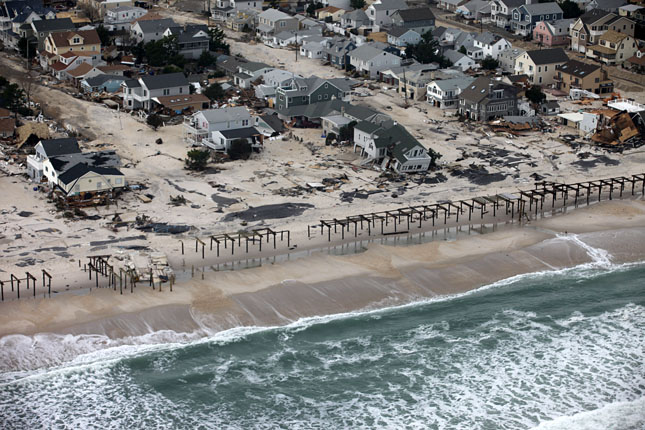
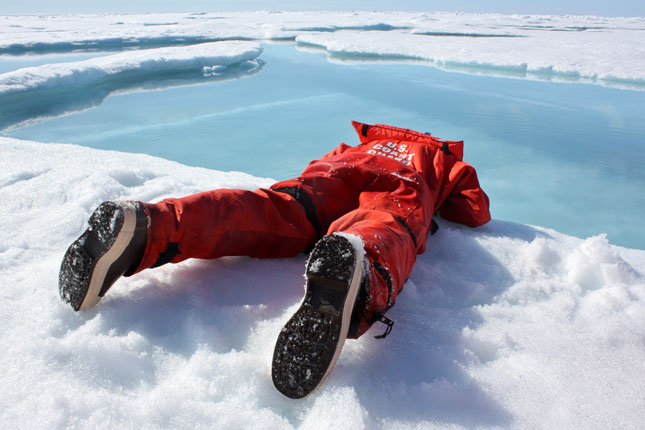
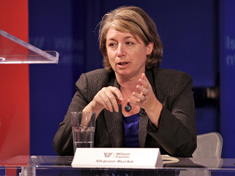 Climate change is impacting the U.S. military in two major ways, explains Sharon Burke in this week’s podcast.
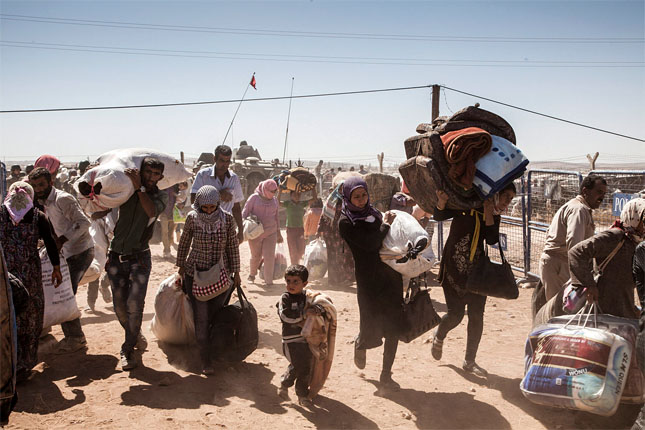
 When it comes to environmental change, “policies and laws can have a very productive contribution toward positive adaptation, or they can subvert that and constrain options,” says Jon Unruh, associate professor of human geography and international development at McGill University, in this week’s podcast.

